Health, Wisdom and Lasting Beauty

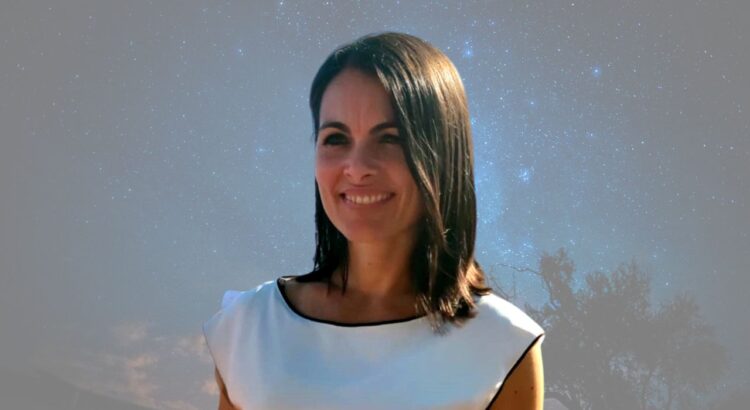
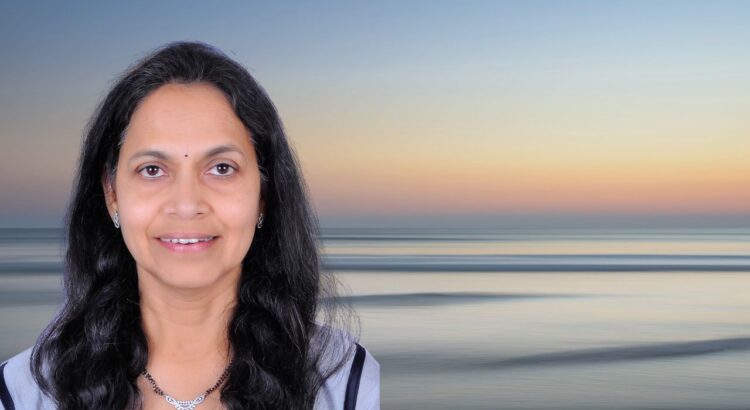
Ayurveda turns us beautiful on three levels, says Dr (Vaidya) Manisha Kshirsagar (rupam, gunam and vayastyagam), but we have to live the practise, first. Dr Manisha knew she wanted to be a doctor when she was in 5th grade, and after completing her education in India, she now lives in Santa Cruz, USA, teaching and sharing the knowledge of Ayurveda. She is a Bachelor of Ayurvedic Medicine and Science, a Licensed Massage Therapist, and she graduated from Pune University with a Bachelor’s degree in Ayurvedic Medicine and Surgery. She also trained at the Indian College of Naturopathy and qualified as a Yoga Instructor from the renowned Kaivalyadham University in India. She has been teaching at Kauai Ayurveda academy and other institutes for more than 10 years specialising in women and infant health, skin care and natural beauty treatments. She also offers regular workshops on Ayurvedic cooking and nutrition. In conversation with the Center for Ayurvedic Studies.

Sophia: Did you always want to be a doctor and why did you choose to study Ayurveda?

Dr Manisha: Yes, I decided to become a doctor when I was in the 5th grade. I always wanted to help other people. There were many eminent Ayurvedic doctors in my family and I had seen their work closely and how such a simple and natural thing works amazingly. So I decided to become a doctor of Natural medicine. I am an Ayurvedic Physician and a Naturopath from India.

Sophia: What is like teaching and practising Ayurveda in the West, which relies so much on allopathy?

Dr Manisha: It’s fun teaching and practising Ayurveda and Yoga in the western world. Our Vedic wisdom is amazing. We can offer so many things to the western culture through our wisdom traditions of Yoga and Ayurveda. People are hungry to learn, they have never seen/heard this information before. They embrace and respect our unique heritage. Ayurveda works on all chronic conditions. People are fed up with western medicine so they are ready to make changes in their diet and lifestyle with natural medicine. During the Pandemic, people have accepted the fact that “Health is the Real Wealth.” They are now inclined towards self-care rituals and healthy habits. Simple tools like turmeric ginger concoction, hot water, nasya, gargles, worked effectively for Covid 19 prevention. During the pandemic, we were teaching our clients how to follow an anti-inflammatory diet, self-detox, self-massage, nasya to improve their immunity and vitality…. People were fearful, anxious, depressed and lonely, so working on their emotional health was also a priority. Meditation, yoga, breathing and positive affirmations worked very well for mental and emotional well-being. These spiritual practices improve our awareness and motivate us to lead a health-conscious lifestyle.

Sophia: How has Ayurveda affected your life on a personal level?

Dr Manisha: Growing up, I grew up in a household that utilised Ayurvedic principles to treat common health conditions. Simple remedies like clove- turmeric concoctions for a sore throat, cumin-coriander-fennel tea for headaches and PMS, buttermilk with dried ginger for diarrhoea, etc. It wasn’t until I formally studied Ayurveda in college that I understood the true benefits of these ancient recipes. There is a scientific logic to all the recommendations. You also need to walk the talk. I try to follow all the good things that I tell my clients in terms of daily routine, seasonal routine, detoxification etc. And that keeps me healthy and happy.

Sophia: You specialise in women's health and infant health. Tell us how you use Ayurveda in both contexts?

Dr Manisha: I often tell my patients that good child care begins before you conceive. That applies to mother and father both. If you want a healthy progeny, you need to work on your cycle and hormones. Ayurveda has a vast description on women’s health, all the different transitions that a woman goes through (baby girl, teenage, pregnancy, delivery and menopause) and how to take care of your physical, mental, emotional and even spiritual health during these transitions. We often teach our clients about diet, exercise, sleep, herbs, spices, herbal supplements during these transitions. These are all the tools I use in my practice, along with emotional support. I also help them align their biological rhythms with the environment. This promotes well-being and balances all the hormones. I help them understand the connection between the menstruation, conception, delivery and lunar cycle. Women’s physiology is all about the hormonal interplay. Because of our hectic lifestyle, our hormones tend to get erratic and can lead to many imbalances.  Same thing with infants also, many new moms and babies have a lot of problems with breastfeeding, baby formulas, sleep, tummy aches, teething, etc. during these times a mother needs to take care of herself and her baby. I teach them how to do a mother-baby massage, home remedies for teething and how to improve the quality and quantity of breast milk. In India women are blessed with this kind of traditional knowledge and also support from the extended family and neighbours. In the west, they don’t have the same support from their family and with lack of holistic knowledge, it can be very stressful.

Sophia: You also specialise in skin and beauty treatments. How is an Ayurvedic beauty ritual different from a regular spa?

Dr Manisha: Ayurveda truly understands that lasting beauty is the beauty from within. It is an inside-out approach to beauty as opposed to an outside-in one. Every Ayurvedic treatment is tailor-made for a person’s unique body constitution. In order to help them not only reverse their imbalance but promote inner, outer and lasting beauty. Beauty is not found in any lotion or potion, you need to work on three levels of beauty.

  1. Outer Beauty (Rupam): you can achieve this by diet, exercise, sleep and other healthy habits
  2. Inner Beauty (Gunam): You need to find out your good inner qualities and learn to cultivate and boost your skill sets. Find out how unique you are and how blessed you are.
  3. Lasting Beauty (Vayastyagam): If you manage your inner and outer beauty then, you will become an example of lasting beauty which exudes elegance, femininity, and True Beauty (Satyam Shivam Sundaram).

Sophia: What are your favourite books on Ayurveda?

Dr Manisha: “Science of Being and Art of Living” by his holiness Maharishi Mahesh Yogi is a great example of how Ayurveda and the traditional sciences can be of use in today’s modern world. Maya Tiwari’s “Secrets of Healing” talks extensively about home remedies and the simple treatments for well-being in an accessible way. Lastly, Deepak Chopra’s “Perfect Health” is a guide for anyone who is just beginning on their path of healing. It highlights the major points of focus that one needs to make to gain maximum results.

Sophia: Who have been your mentors and inspirations?

Dr Manisha: My first mentors were my parents who practised and continue to practise Ayurveda in their daily lives. A living breathing example of what perfect health can look like. I have had many inspirational teachers like Vaidya B P Nanal, Maharishi Mahesh Yogi, Drs.PH Kulkarni, Subhash Ranade, MY Lele, and many others. I also have some wonderful colleagues such as Drs. Deepak Chopra, Sheila Patel, John Doulliard and Marci Shimoff.

Sophia: What is your view on weight-loss diets vs following a consistent Ayurvedic diet?

Dr Manisha: Weight loss diets trick our body for short periods of time. You have to keep in mind that weight loss is not a natural state for the body to be in. Ayurveda uses your unique body type to make sure that you are changing your body composition in a healthy and balanced way without any long term side effects.

Sophia: Is Ayurveda restricted to just food and diet?

Dr Manisha: Absolutely NOT! Ayurveda is literally translated to the science of life. Which takes into account not only your lifestyle in terms of diet, exercise and daily routine, but more importantly it teaches you about yourself! Ayurveda is used as a tool to increase your self-awareness and then being able to connect it to Mother Nature. It is a microscope into who you are and a mirror towards what you could become.

Sophia: What is your advice to young students and practitioners of Ayurveda?

Dr Manisha: Start practising what you are learning as early as possible. Ayurveda is a qualia science, which means it needs to be experienced. The more you learn about ayurveda the more you will realise how much more there is to learn. Do not get discouraged but rather use your friends and teachers to synthesise that wisdom. Your patients are a reflection of divinity and patient care is God’s work. You learn a lot from your clients. Their transformation is transforming you as a healer, educator and practitioner. You want to keep in mind, when you help someone, sometimes you gain wealth, but sometimes, you will gain a friend or you will learn something new. This is why your duty (Dharma) is to help someone. So never think “I have wasted my time and energy”, but rather how it helps you to polish your skills.

Begin at the Start

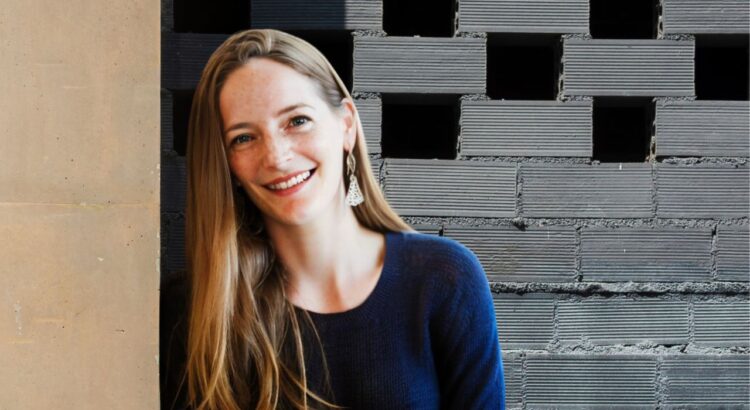
After her first experience of yoga left Ellie Smith with an injury, her second experience of the practice gave her the healing she needed to nurture herself. The positive effects of yoga inspired her to pursue the spiritual path and her lessons from that first bad experience gave her the wisdom to understand how essential it is to start the practice in the right way. In conversation with Indica Yoga, the founder of Ellie Smith Yoga, (UK) shares why she focuses on the beginner student and how to find the right class and teacher when you’re completely new to yoga.

Sophia: Tell us about how your yoga journey began?

Ellie: Back in 2007, someone recommended yoga to me as a means to lose weight. I believed them and feeling very insecure about how I looked, immediately threw myself into the most advanced practice I could find. Soon after, I injured myself and had to take a break for a few months. As soon as I was given the go-ahead, back to it I went, and soon after that, injured myself again. I was also increasingly frustrated as I wasn’t losing any weight, nor was I feeling like I could “achieve” any of the poses. In a rather sulky manner, I took another break from it. Then, one day, I was fumbling around on YouTube and found a yoga class by a very friendly looking woman. I followed along and was amazed at how much better I felt. She kept reminding us to breathe and that it wasn’t about the pose. She was giving us permission to detach from the outcome of the practice and instead just focus on the feeling. She transformed my approach to asana practice entirely, and that opened up a space for me to allow other facets of yoga to enter into my periphery, albeit slowly at first.

I no longer saw yoga as a way to lose weight, I no longer equated it with “exercise”, and I no longer felt the need to lose weight. I was increasingly appreciative of the world around me and the people in it. I could get a small sense of what it meant to observe with curiosity, and without judgement. It wasn’t all roses, though. Yoga asks you to hold a mirror to yourself. Along the way, I had to address some confronting things about myself (like the propensity to sulk, for example) and my past. This hasn’t always been easy, but it has always come with refreshing outcomes, a new understanding about myself, and therefore an opportunity for a new way to approach life.

I feel, now, that I am on the cusp of a beginner’s journey into yoga. Whereas this once felt daunting, now it feels like the inevitable way forward.

Sophia: You specialise in yoga for beginners. Why did you choose to focus on that specifically?

Ellie: I feel that this is a truly underserved community, particularly in the West. Most of the people I encounter in my yoga circles hark from individualist cultures where progression and achievement is the goal. I think this has contributed to the intense focus on asana in the West, almost at the expense of other aspects of yoga. Asana is tangible and therefore measurable, and thus a sign of “progress” if flexibility and mobility improve. This was certainly true of me when I first began a yoga practice. I skipped from one injury to another before I learned to slow down and focus on what I could do, not what I wanted to do. Over the years, I found that a lot of asana classes advertised as beginner-level are often pitched too high for the true beginner, though I do believe this is changing in recent years. I thus see many people initially curious about yoga soon put off because they are left with more confusion than clarity, or even frustration because they couldn’t “achieve” certain poses. I feel that in order for the yoga-curious to have the chance for a sustainable lifelong practice, we as teachers hold the responsibility to provide well-structured, well-scaffolded classes and courses that help the complete beginner to enter into the realm of yoga with a little more confidence and a little more clarity.

Sophia: You moved from the U.K. to Japan and you have an interest in Indian knowledge systems. What attracted you to Eastern spirituality and philosophy?

Ellie: I think, initially, it was because it was just so completely different to any way of thinking about life that I had experienced, and therefore it had this somewhat glamourous allure. Growing up in a predominantly Christian culture, in those early years I always felt that it was more about following a strict set of rules to make a higher power more accepting of you, than of self-acceptance. As a self-appointed low-key rebel this never really sat well with me, but I wasn’t really sure what else I was looking for.  I don’t claim to have really any knowledge of Eastern spirituality but I think one aspect that stood out to me was that sense of all you need is within you. This is in stark contrast to some ideologies I grew up with, which left me questioning if I was enough, or if I’d ever be considered good enough regardless of how closely I followed the rules. (I am not suggesting that Christianity is bad, or that it is “less than”, just that this was my interpretation growing up).

Pair this with the realization that a lot of what the ancient yogic texts have to say about how to live well modern science is recently catching up with and I can’t help but be increasingly fascinated. It’s an area I hope to delve deeper into over time.

Sophia: You speak about how yoga can be confusing and overwhelming on your website. As an Indian, I find this unsettling but also agree with you. There is tremendous misinformation and appropriation of both yoga and Indian culture. Can you share your experiences and highlight the need and importance for authentic teachers and teachings?

Ellie: In terms of it initially being overwhelming, for most people in the West, their entry point into yoga is through the asana practice, as it was for me. And, like me, I see many people thinking that this is the totality of yoga and being somewhat surprised to find that it is much more than that. Going into class thinking you’re getting a full-body workout with a goat or a beer and later discovering there is a whole philosophy behind it that never included goats and certainly not alcohol can be a little overwhelming. You can either feel suspicious about what you signed up for, or like a kid in a candy store running around tasting each bit but never staying long enough to fully digest it. This is why I think yoga classes in the West need to include more than purely asana components put into context, especially for beginners.

The narrow emphasis on asana has led to Yoga in the West becoming riddled with misconceptions. For example, people don’t start because they have been led to believe they aren’t physically strong or flexible enough, though these have never been a prerequisite to any aspect of yoga. Some don’t start because of the sheer number of classes out there to choose from. I remember spending hours on YouTube scrolling through class after class, most aimed at targeting certain body parts, trying to decide what it was I needed. The terminology used to describe some asana classes has, I think, contributed to it becoming almost exclusively a female-centred physicality-focused practice in the West.

Yoga in the West has not escaped consumerism, meaning people think they need to fit into tight leggings or purchase chemically harmful yoga mats and lots of equipment in order to practise. In terms of confusion, there is a lot of conflicting dogma around yoga that can be confusing at first. Some teachers have told me I need to maintain a 6-day-per-week-practice, others tell me it’s enough to practise when I can. Should I practise asana when menstruating or not? The texts say it's a time to rest, but some teachers have said to listen to my body and practice autonomy. Am I disrespecting tradition by exercising autonomy and agency?  Should I say “Namaste” or not? These are but a few examples I’ve heard teachers give conflicting opinions on.

Add to this the cultural appropriation (plays on the word ‘Namaste’, studios with crystals laid out, tattoos of the “Om” symbol on feet) that we are slowly opening our eyes to, and it’s clear to see how Yoga in the West can be confusing and overwhelming. Personally, I only started to gain some clarity by turning to the Sutras, and to teachers close to Yoga’s roots, India, who had an embodied knowledge of yoga philosophy far beyond asana. I also think that Yoga, due to its rich and vast history, lends itself to a little confusion and overwhelm regardless of cultural appropriation. As I understand it, Yoga has evolved and adapted throughout the centuries, and as practitioners we need to keep reinterpreting and recontextualizing the texts to suit modern contexts. I owe a huge debt of gratitude to the likes of Harmony Slater, Arundhati Baitmangalkar, Prasad Rangnekar, Lesley Fightmaster, and Vikram Jeet Singh among others for their loving guidance and wisdom when it comes to this and to understanding what constitutes cultural appropriation in yoga. Prasad once said something on the Let’s Talk Yoga podcast that changed my outlook a little and helped me to stop confusion in its tracks:  “Simplify to simply fly”.

Sophia: What are some of your favourite books on yoga?

Ellie: “Asana, Pranayama, Mudra, Bandha” and “Surya Namaskar: A Technique of Solar Vitalization” both by Swami Satyananda Saraswati have been fantastic reference books for me both as a practitioner and teacher. I highly recommend these for students at all levels. Both are extremely accessible and have served to help me connect with the practice on a deeper level. The Science of Yoga by William Broad helped to understand how yoga developed so rapidly in the West, and to dispel some of my own long-held misconceptions around yoga.

I enjoyed “Yoga for Trauma Recovery” by Lisa Danylchuk as this helped me to understand some of the science behind why certain aspects of yoga have benefited me so much. Similarly, though not technically a Yoga book, James Nestor’s “Breath” helped to see how breathing techniques used in asana and pranayama sessions have helped regulate my nervous system.

I can’t avoid mentioning the staple book. Edwin Bryant’s version of the Yoga Sutras of Patanjali is wonderful. His commentary on each sutra provides space for the reader to consider their application in today’s contexts (though I’ve by no means read them all yet). I’ve just started Roots of Yoga by Sir James Mallinson and Mark Singleton. I’m only a few pages in yet I have a feeling it’s going to be near the top of my list.

Sophia: How does one find a good yoga teacher in the West?

Ellie: This is an important question that needs consideration in order to set oneself up for a sustainable practice. I think good teachers abound in the West, and many more who want to improve. The proliferation of online yoga now means we also have greater access to fantastic teachers in the East whereas perhaps this once was more restricted.

In my opinion, it’s important to spend time reflecting on the classes we take in order to avoid complacency,and instead to develop curiosity about the practice and how it relates to us. I often suggest that beginner students first identify several teachers they are interested in, and try a couple of their classes. Classes, in my opinion, need to be about more than asana. So, I encourage people to take a moment to reflect on the classes they take, in particular whether or not the practice was contextualised in the greater scope of yoga. To do this, there are a few questions I think beginner practitioners can consider. These include, but aren’t limited to, the following. Was the teacher using Sanskrit, at least sporadically? Was there a focus on breath awareness before, during, or maybe after asana or was it purely fitness-goal oriented? Was there a little time for meditation or contemplation? Was yoga philosophy referred to and contextualised or was it left out?  Do they make time for questions after class or not?  Perhaps not all of these aspects will be covered in one class, which is why I suggest taking two or more from each teacher until you find a handful of teachers you feel you could potentially spend years learning from.

Sophia: What inspired you to start teaching yoga?

Ellie: In the last five years or so, people began to ask me about my practice, how I got started, how I stayed consistent, and how it has impacted me. I found it was something I loved talking about both with other yoga practitioners and with those curious about the practice. Some people asked me to teach them. Had they asked me in my earlier years of practice I may well have egotistically barged ahead and done so. Thankfully, no one did ask until I was at least ten years into practising, when I had some small awareness that I needed to know more about how yoga works and how to teach before I ever began working with other people’s bodies, physical and subtle. I am lucky enough to have a group of friends here who are yoga teachers who encouraged me to take training, and have been mentoring me ever since.

On a more personal level, my yoga practice has helped me through some of the hardest times in my life. It has always been an anchor for those times when life was a struggle. Being able to share that with others has been an immense privilege and I only hope I do it with some modicum of justice.

Sophia: What is your advice to people who have never tried yoga but want to learn?

Ellie: If you’re starting with asana in mind (which is fine), find a beginner-level course if you can, reserve your spot, and seek out your comfiest at-home clothes to wear during class. Get curious about how it feels during and after class, and what it brings to the surface for you. Come as you are, and with a commitment to developing a mindset of curiosity and observation over judgement. Know that yoga is more than asana,  and that you’re doing just fine. As one of my teachers, Arundhati Baitmangalkar said recently, “Take yoga seriously, yourself not so much”.

Find more about Ellie on https://elliesmithyoga.com/

The Healing Power of Yoga

Yoga Teacher and founder of Satori, Iti Jain’s yoga journey may have begun to heal from trauma and anxiety but the practice soon became a way of life for her. She founded Satori to share her learnings and ideas with city dwellers so they have a space where they can unwind from the stress and anxiety of daily life. Iti shares her spiritual experiences and life lessons with the Center for Yoga Studies…

Sophia: Tell us how your spiritual journey began?

Iti: An episode in life left me depressed and I had serious anxiety issues. Getting through to the end of the day had become a challenge. I joined Yoga for one month and fell in love with it. Our practice consisted of pranayama and meditative practices along with the asana practice. And, I met the right people who helped me in the healing process. Simple things like gratitude, affirmations, visualisation and breathing exercises became a part of my day.

With the consistency of these practices, one day I woke up feeling lighter and better...

Sophia: What inspired you to start Satori?

Iti: I was bursting with ideas for yoga content, classes and mental health awareness workshops. I wanted to expand my horizon and share yoga and other practices that helped me become healthy inside-out. Satori has always been my dream and post the lockdown, I realised how precious time is… June, 2022 was when this dream came true.

Sophia: How do you find a healthy balance of being an entrepreneur and a spiritual aspirant?

Iti: I’m a spiritual aspirant first; my yoga journey has always had teachers, peers who loved the essence of yoga. I want to share the essence too, the commercial part is secondary. When I pour all my passion and good intention into the craft, I keep getting work that aligns with me. Though, as an entrepreneur, I’ve realised it’s all trial and error. As in, what works, how to market your classes, the temptation of doing any and all yoga work; I am still finding the balance..

Sophia: Who are your spiritual inspirations?

Iti: I’m inspired by my yoga teachers and energy workers. They made me realise that the body, breath and energy are linked. And it is REAL!

Sophia: You teach yoga in an urban set-up. How is yoga adapted to become a daily practice for busy people and house holders?

Iti: Today, yoga is relevant more than ever. We live in auto mode, stressed and popping pills like they are treats. There are so many yoga styles; people just need to find theirs. The aim is to quieten their mind and make their body healthy inside and out. They can start three times a week and then take it as they please.

Sophia: What are some of your favourite books on spirituality?

Iti: These books have been a catalyst in my life:

  1. Autobiography of a Yoga, Paramahansa Yogananda
  2. Wherever you go, there you are: Jon Kabat Zinn
  3. The monk who sold his ferrari: Robin Sharma
  4. The Forty Rules of love: Elif Shakak

Sophia: How has yoga transformed you?

Iti: I’ve become a better human being. I’m stronger, more resilient and trying to be kinder every single day. More importantly, I’ve started living in the present... Life is better, thanks to my yoga practice.

Sophia: Any advice to young students who want to pursue a career as yoga teachers?

Iti: I don’t have any wise words for them. I just wish them all the best and please do justice to the craft of teaching yoga.

Lose Your Answers, Then Teach

Interview by Sophia Ann French

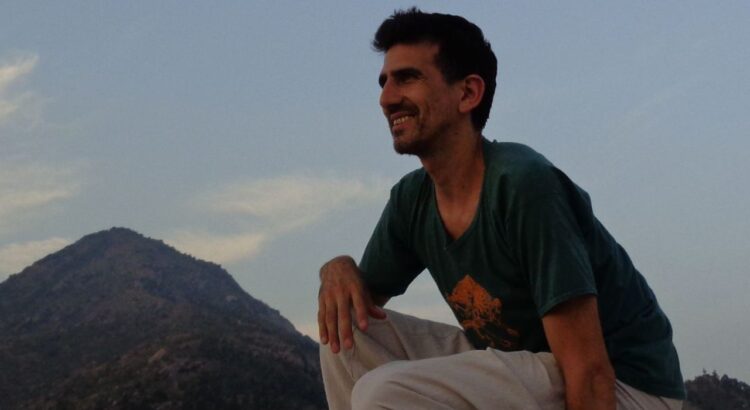
Said Camilo Dattoli when I asked him what advice he would give to young yoga students who want to start teaching. This was among the best advice I’ve heard from a yoga teacher and practitioner about the intention of teaching. “Have you ever wondered why you want to teach? Ask yourself that now and continue to do so over the years. Revalidate your answer, reformulate it, recreate it, lose it.” Indica Yoga is in conversation with the Chile-based yoga teacher, vedic chanter and artist.

Sophia: How did your spiritual journey begin and how did you find the Yoga practice?

Camilo: Today, close to 50, I look back and think that my spiritual path, and every human being’s begins at birth. All the circumstances of this incarnation are a fundamental part and not at all casual — my first Gurus, my father and mother who transmitted to me the love and value of freedom and my confused adolescence taught me to expand the limits and brought me closer to art. I could not say that my spiritual path began with yoga, it would be unfair to all the teachings received before finding it. However, yoga is the tool that appears at the right time when it requires a systematic process of cleansing and serenity. In my late 20s, I knew that the time to change my rhythm and way of life was coming. After studying the arts and some years of cinema studies, I was tired of the bohemian style of life and a friend at film school prescribed yoga classes. My approach to the books of beatniks like Allen Ginsberg and the music of George Harrison and Ravi Shankar gave me a fantastic idea about what yoga could be. The progressive clarity that yoga brings gives me some self-esteem and that transforms everything; my diet, my likes and the simplest habits. The most fantastic thing is that this continues to happen to this day.

Sophia: What does India mean to you?

Camilo: India is the land of the greatest mysteries. To travel its vast territory is to navigate the map of the Being. The more you explore, the more you discover, the more you learn. It is the Eternal source. As we delved into the TTC of vedic chanting with Shantala Sriramaiah (Veda Studies) I kept receiving new inspiration and information that India, as living knowledge, has to give to humanity. That happened to me every time I was in India, with great teachers, with common people and with the landscape also. Walking the streets of Kashi (Varanasi) can be very revealing.

Sophia: Tell us about your experience with learning Vedic chanting and how has chanting added to your spiritual progress?

Camilo: When I first heard authentic vedic chanting, it was magic. It captured me and I felt the need to join that group of pundits in their recitation. My first meeting with chanting, other than in yoga classes where mantras or slokas were chanted but not the way I heard it from the brahmins, was in the city of Mysore with the great teacher Dr. M.A. Jayashree in 2013. That is my favourite place in Mysore — that small room full of books where different texts were chanted. Those valuable teachers nurtured my path and also relevant is Andres Wormull, who showed me that yoga asanas and vedas go very well together. Finding my current teacher was a gift that I know the practice brought me. Shantala Sriramaiah is the one who today brings me closer to that magic that I felt the first time I heard the Ramana Ashram Pandits sing the Rudram. Learning Vedic chanting has been a great challenge full of beauty. After many years of yogasanas, the recitation came to refine my nervous system giving me more clarity, equanimity and internal strength. Vedic chanting turned my yoga practice into a sadhana and sadhana is the lifeboat in this Samsara.

Sophia: How do you maintain authenticity to the Indian roots of yoga as a western practitioner and teacher?

Camilo: I believe that being a Western practitioner or teacher is not an obstacle to respectfully following the traditions and teachings of Yoga. I think the global economic system is. In any part of the world, if your objective is to sell your product, you will put the authenticity of its roots at risk.

I follow these principles: First, maintain the connection with the territory. Experience the space-time of the place of origin. I try to travel to India as much as I can. Second, to maintain the link with the teachings of India in a direct way, with teachers who follow a traditional lineage. Nurture your practice and teaching directly from the source. And third and most important, be humble

Sophia: Which spiritual masters’ life and work inspire you?

Camilo: Ramana Maharshi inspires me and teaches me. When I visit his ashram in Arunachalam, I can feel his presence, his gaze inviting me to sit down and stop. When my relationship with reality becomes complex, just seeing the title of a book responds: Be As You Are. The clarity of the teacher simplifies the practice.

Sophia: What would be your advice to young yoga students who want to teach yoga?

Camilo: If one is a yoga student, there will be a certain rush to be a teacher, it denotes a rather modern category of yoga in times of capitalism. The student must recover the investment in his studies as soon as possible and he professionalises with a 500-hour TTC and hires a web designer and a social network administrator, he becomes a company. Being a yoga teacher is simple, purpose is required. If you are a dedicated practitioner and have a teacher, then you are on the way. It is all you need. But, have you ever wondered why you want to teach? Ask yourself that now and continue to do so over the years. Revalidate your answer, reformulate it, recreate it, lose it.

Sophia: What are your favourite books on spirituality?

Camilo: The Prophet by Kahlil Gibran — it is a very fundamental guideline about what is important in life, how to live and even how you teach or transmit.

The Autobiography of a Yogi by Paramahansa Yogananda showed me that the fantastic world of yogis was something real and possible. The Tibetan Book of the Dead by Evans Wentz It’s a great manual to die, to face demons and to become a compassionate being and much more.

Interconnectedness of Yoga and Ayurveda

An Ayurveda lifestyle brings alignment with Nature as well as our inner nature. If a person practises yoga and chanting as leisure activities without seeking more than their more superficial (yet precious) effects, it’s not really essential to integrate an Ayurvedic lifestyle. However, if a person wants to get into the deep core of yoga and chanting practices, then an Ayurvedic lifestyle is like a trampoline taking them to greater heights,” says Monica Buendia, who recently completed the Veda Studies Teacher’s Training Course with Shantala Sriramaiahji. Monica’s integrated approach to spiritual practices has given her spiritual journey a sound basis and platform that is essential for inner personality development. In conversation with The Center for Ayurveda Studies.

Sophia: How did your spiritual journey begin?

Monica: It began in a very organic and instinctive way. During my 20’s, I experienced a strong inner urge and curiosity for Yoga and Ayurveda. This led to an ‘intellectual’ type of seeking in order to understand what these were all about. I remember spending hours and hours in the early days of the internet searching for Yoga and Ayurveda with very little success. To my great surprise, a yoga centre opened near my home. Yoga was considered a bit strange at that time and not very popular in the area where I lived in Spain. So, I followed that inner urge further and signed up for my first class. It was an integral session with a lot of pranayama and mantra chanting, and I just fell in love. I felt at home. Yoga has been a part of my daily life ever since.

This was all happening while I was working full-time in the corporate world of civil engineering, leading big infrastructure projects with high budgets, large teams and being, most of times, the unique woman in the project. I loved those years and enjoyed the challenges. Then one day, I started to feel a strong incoherence between my inner spiritual self and the outer professional me. Looking back, I see just how much Yoga and Ayurveda helped me to sustain balance through that stressful period of life. Both helped me to see just how inharmonious the situation really was. Ultimately, they gave me the courage to give up my job with no plan B. That decision allowed me to more clearly align with my inner self and deepen my spiritual journey.

Many years later, I travelled to India where I met my guru Swami Satyasangananda Saraswati. She gave me diksha and initiated me as Jignasu Sannyasin in the lineage of Satyananda Yoga. This opened new doors into my spiritual practice and my sadhana became more settled. A guiding thread that continues to this day.

Sophia: You practise and teach Ayurveda, yoga and Vedic chanting. Tell us about how you developed such an integrated approach to spiritual practices?

Monica: It’s taken time to develop. In the early days it was not very integrated at all. I started focusing on Yoga as my main activity from work. I remember waking up at 5 AM to do my sadhana before rushing out to work and returning at 8:30 PM just to drop in for an evening class. Aside from that, my lifestyle was not Ayurvedic at all. Eventually, the yoga practice helped me realise the need to change more of my lifestyle habits and that led to greater interest in Ayurveda. Back then, there were only a couple of places in Barcelona where Ayurveda was taught (fortunately nowadays you can find it easily anywhere!). I joined a training with the intention to apply it only to myself. I immediately fell in love with Ayurveda and began integrating it with my Yoga sadhana. It took some time to transition to an Ayurvedic lifestyle but even the little changes had amazing effects, which encouraged me to keep learning and applying more and more. Eventually, it became very natural and easy to follow a complete Ayurvedic lifestyle. Ayurveda made my whole life make sense. Things became simpler and lighter. Peace and contentment became more regular companions. I also saw a positive change in my relationships with others as my awareness shifted.

Experiencing the joy and transformation that Yoga and Ayurveda brought to my own life led to the decision to start teaching. I felt the importance of helping others learn and benefit from the same tools that had been so valuable on my journey. My relationship with chanting has taken more time to develop. I used to be much more analytical-rational and not particularly devotional. It was difficult for my mind to surrender to the feelings I experienced when first listening to mantra chanting. But that all changed in a big way years later when staying at an ashram in India. I was totally speechless when I first heard and experienced a group of pundits reciting Veda. It was absolutely mesmerising. I would spend hours and hours, day after day sitting in front of them, feeling their voices resonating so strong inside me. It was almost like science-fiction the level of focus and millimetric rapport that existed between them for such long periods of time.

Then during the pandemic, I met Shantala Sriramaiah online through Veda Studies where I have trained to be a chanting teacher. She has shown me just how much tapas is behind that ‘science-fiction’. Shantala’s teachings and sweetness have become so important in helping my inner journey of becoming devotional and prayerful. It is an honour to train with her and be part of a traditional lineage that is filled with such respect, accuracy and love in its transmission of the ancient teachings. All of these practices are now intimately connected for me. I’ve discovered that the more one digs, the more one finds just how interrelated they really are.

Sophia: How does Ayurveda complement Yoga?

Monica: Ayurveda complements Yoga at many levels. It helps to maintain our body-mind in good health through proper food and a beneficial lifestyle according to our unique nature. It promotes quality sleep and offers different techniques for each individual according to their psychological temperament and constitution. Most importantly, Ayurveda brings an invaluable inner and outer knowledge very useful on the yogic path (and any event in life). It helps liberate many conditionings that plague our minds through a deep understanding of our tendencies and the events taking place inside and outside of us. Ayurveda also enhances the peace of mind and sattvic mood required for yogic practices. I like to see Ayurveda as the road-map and Yoga as the backpack filled with plenty of tools to help us as we wander the path of life. And chanting is the sound and rhythm to live each event arising on the path with deep connection.

Sophia: Is an Ayurvedic lifestyle essential for yoga practice and chanting? How has leading an Ayurvedic lifestyle affected your yoga and chanting practice?

Monica: Absolutely yes. An Ayurveda lifestyle brings alignment with Nature as well as our inner nature. If a person practises yoga and chanting as leisure activities without seeking more than their more superficial (yet precious) effects, it’s not really essential to integrate an Ayurvedic lifestyle. However, if a person wants to get into the deep core of yoga and chanting practices, then an Ayurvedic lifestyle is like a trampoline taking them to greater heights. An Ayurvedic lifestyle has given me an intimate understanding about the gunas (sattva, rajas, tamas) taking place within me at every moment. This insight allows me to align my yoga and chanting practices with the greater purpose of matching the required state in the moment.

Sophia: Who have been your spiritual inspirations?

Monica: I have found a lot of spiritual inspiration in many people over the course of my life; many who wouldn’t even describe themselves as spiritual. I am so inspired by the sincere generosity of people who share unconditionally with others; offering their care, their time, their presence, their attentive listening, their sincere smile, no matter what their own situation is. In this way, my mother is a supreme Goddess who continues to be an inspiration. Swami Sivananda Saraswati is a great inspiration as a superb Yogi and Ayurvedic doctor endowed with great altruism for others. As is his disciple Swami Satyananda Saraswati, by his fulfilment of the mandate of his guru to expand yoga from shore to shore, for the benefit of all. My teachers-gurus are all women of great spiritual inspiration: Swami Satyasanganada Saraswati (Yoga), Dr. Prachiti Kinikar Patwardhan (Ayurveda), Shantala Sriramaiah (Vedic Chanting). Each one of them is endowed with their own special story, their great knowledge, their rigour for transmission and their supreme love for what they do. I deeply admire them and feel profoundly blessed and grateful for taking me by their hand to support my evolution.

Sophia: What is the role of food and diet in your spiritual practices?

Monica: I see food as the foundation blocks from which I constantly build myself, body-mind, day by day. I have a clear understanding about the important role that food develops in all my systems and functions, and the effects of that food over me. Sometimes I stare at my food before eating it and think “you’ll become me, and I’ll become you”. Sometimes this has stopped me from eating what I was tempted to (lol). There have also been periods when my diet was so inadequate. These were great teachings as I was able to observe its effects on my practices, and how my body and psychology responded. I focus on having a sattvic diet and adjust it to the climate changes, personal circumstances and impact on my sadhana. But I’m not too rigid, I allow myself to indulge, for example, when I’m having a nice time with family or friends, and it also feels great. This flexibility and tolerance are of great value on the spiritual path.

Sophia: Have you travelled to India? What does India mean to you?

Monica: Yes, I’ve been to India three times. First in 2017, and then each year until the start of the pandemic. I intend to go again this autumn. I miss it too much! I feel a very deep connection with India. Within two days after arriving on my first visit, I was walking in a very little town in Kerala and I literally heard a “crack” in my chest, like my solar plexus had suddenly loosened. It was symbolic of the comfort of being at home. I have found many important answers in India, clearer perception and an ability to make wise life decisions. India is like the outer source for my spiritual development. It’s a place where one can find many teachings around any corner. India can be a very confrontative experience and provides ongoing opportunities for inner growth; chaos, devotion, intense smells and tastes, duality… India is a superlative expression of life.

Sophia: What advice do you have for young students and practitioners who want to pursue the spiritual path?

Monica: As many teachers from ancient times tell us, the spiritual pursuit is an inner journey not an outer seeking. Yet to find the door to ‘the inside’ and figure out the encrypted code is not so easy. Yoga and the Vedic sciences help us decrypt our personal code and for me that’s the best start in the spiritual path. So, my first advice is ‘start by knowing oneself’ and open the door to the inner world. Also be aware of the connection of events happening between the outside and the inside. This will help to deepen things further. Simultaneously, cultivate the art of improving oneself for the betterment of all beings; knowing, at the same time, that we are all unique and have a gift to share with others. Let’s support ourselves (and one another) using the many Ayurvedic and yogic techniques and mantric practices available that suit us best, according to our personal temperament, to really dig in, connect with our true self and shine all the way back to share it with others.