Interconnectedness of Yoga and Ayurveda

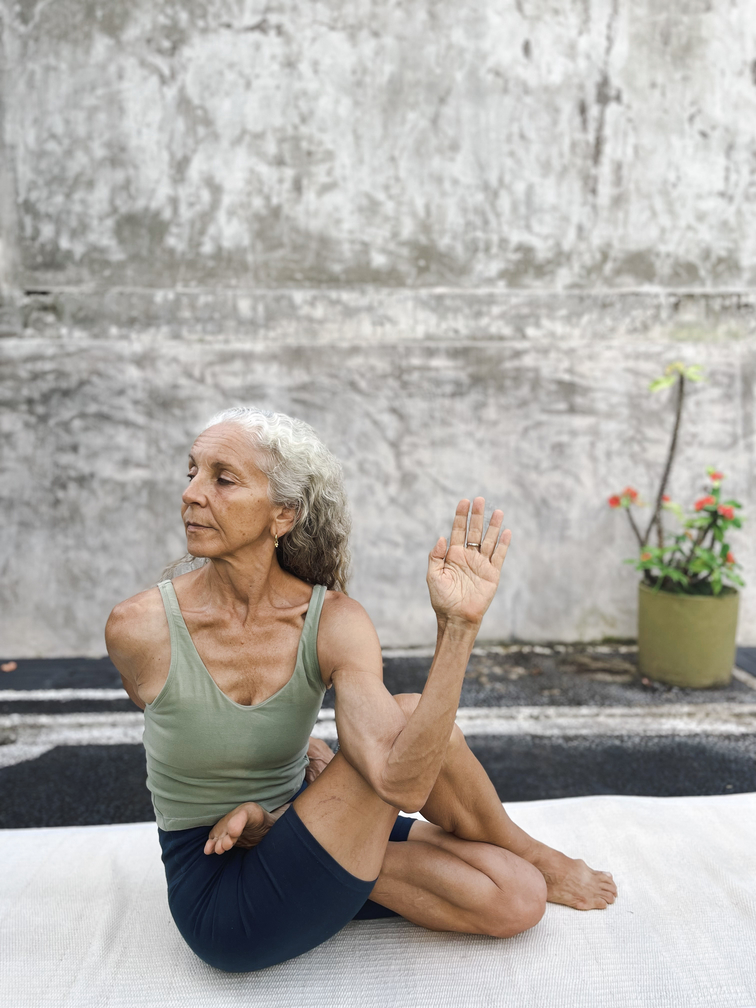
Myra Lewin is the founder of Hale Pule Ayurveda and Yoga, and after watching her session during Indica Yoga’s Global Festival of Yoga, I knew I had to interview her to find out more about her in-depth knowledge of the practices. Her approach to learning and teaching is experiential and while she respects the academics for a sound understanding of Ayurveda and spiritual practices, her advice is to learn and teach from experience. She used her corporate life to offer yoga and Ayurveda in a way that educates and transforms the practitioner, and in this interview, she shares how she began her spiritual journey and how an Ayurvedic diet and lifestyle complements yogic practices.

Sophia: How did your journey to yoga and Ayurveda begin, and how did it lead to Hale Pule?

Myra: My Yoga journey began in 1987 with meditation and a short while later with asana. It was so helpful to me as I had been completely caught up in the outside world of doing and not much being. A few years later, I left the corporate world and focused on Yoga, I changed my life completely.

Ayurveda was introduced to me by my Yoga teacher. At first it seemed too complicated and unfamiliar. Once I tried it for myself, things began to fall into place that I had been trying to resolve for years through other means. It turned out Ayurveda was something I had been looking for all of my life.

I had been a teacher in a number of areas in my life including swimming, accounting, behavioural management, and Yoga so it made sense to me that I would yet again share Ayurveda and Yoga through education. Ayurveda and Yoga are a foundation for living the lives we are each meant to have. To feel well, to have a deep sense of ourselves and experience life fully. Hale Pule was born on Maui where we spent 10 years, followed by 9 years on Kauai. Hale Pule means house of prayer in the Hawaiian language and I regard Hale Pule as the sanctuary that we offer for the individual to learn to care for their body, mind and spirit in this life.

Sophia: You’ve authored books on Ayurveda and you have two podcasts on the subject. In your experience, what are the major problems that most people face with their diets and how can we break unhealthy eating patterns?

Myra:The most significant problems people are facing with their diets is confusion, disconnection from their bodies and themselves. The modern approach, now driven by the commercialization of food and humanity is changing so frequently that people are lost. As a result, people are eating in ways that are harming themselves without realising it. The modern approach is causing many more problems than it is solving. The mind is very stubborn and gets attached. Much disharmony in the body begins with wrong thinking. This is why Ayurveda is so important at this time. We educate people to understand how their bodies and minds work in connection with their spiritual selves so that they can make wise choices and learn through their direct experience. We have the ability to heal and to make wise choices. We’ve been trained to use the lower intellect and not trust ourselves. But we have the tools to make the switch and lead a full life.

Sophia: In addition to food, Ayurveda also addresses lifestyle through its application of Dinacharya and Ratricharya. Do you feel that Ayurveda has become very food centric and is it necessary to follow Dinacharya and Ratricharya to receive the full benefits of Ayurveda?

Myra: It is necessary to follow a dinacharya of some sort. We all do something each day, adjusting that in order to feel better will interest people once they have suffered enough to be willing to make changes. Many people have normalised a very low level of wellbeing. Just a few simple steps can make a big difference in how one feels. The dinacharya is just as important as the food changes, if not more so. Routine reduces stress, enhances the quality of rest and the strength of agni, the digestive capacity. We must remember that this is about the mind and everything has an effect, including the Ratricharya, or seasonal shifts. This one is more subtle for many people but needs to be considered in the appropriate ways for each individual.

Sophia: Is an Ayurvedic diet preventive, curative or both?

Myra: The Ayurvedic approach to diet, ahar and lifestyle, vihar are both curative and preventive. We find that we can reverse the disease process and prevent further problems. It’s all about working with the natural design of the body and mind from the inside out, rather than trying to fix symptoms from the outside in. Ayurvedic diet strengthens the body, mind and spirit, no matter what that starting point is.

Sophia: During your presentation in our Global Yoga Festival, you had mentioned personal struggles and how yoga and Ayurveda helped you heal? Can you share those experiences and tell us how these practices helped you deal with difficult emotions?

Myra: I had attempted to be healthy for many years before becoming ill. But all through that time I was overeating to avoid unpleasant feelings and emotions. Once it was pointed out to me, I couldn’t deny it any longer. The changes I made to balance the doshas and the elements within, allowed the function of my mind to become more reasonable, less extreme in my actions. I slowed down from a frantic pace of life to something that not only allowed me to heal but to enjoy life in a new way. And from there everything continued to blossom and evolve. I have been on the planet a while now, it’s a long tale that continues each day. 🙂

Sophia: What is it like teaching Indian spiritual practices to Western students, especially now that yoga and Ayurveda is so mainstream even in the West?

Myra: Although the practices and beauty of Ayurveda are an incredible expression of what India has given to the world, the Vedas, from which Ayurveda and Yoga come,  were given to humanity, including all of the world. So my goal is to support people from all walks of life all over the world by offering the teachings of Ayurveda and Yoga in ways they can understand and apply in their modern lives. A very interesting point is working with clients of Indian heritage who are living in other countries now, influenced by Western culture. It creates some confusion, but I find great joy in having them rediscover themselves.
Sophia: What are you reading at the moment and what are some of your favourite books on spirituality?

Myra: The Upanishads are a favourite of mine. I also enjoy Krishnamurti and Alan Watts.

Sophia: While yoga and Ayurveda are complementary disciplines, Ayurveda is often ignored in favour of a purely physical yoga practice. Your views on this?

Myra: We teach them as a holistic approach to living. Life is spiritual. We don’t need to separate ourselves from life to “be spiritual”. With Ayurveda and Yoga together we can maintain a sense of balance and approach life in the way that works best for each of us.

Sophia: What are your thoughts on a plant-based diet or any of the many ‘special’ diets that seem to have mushroomed in the past decade?

Myra: We focus on approaching food and eating as a sacred step in life each day. A balanced approach brings balanced health in the body and mind. I find myself solving lots of messes created by the latest fads and have not seen any success with them long term for people. Our goal is to have people understand what is happening with their bodies and minds so that they can spend more of their time enriching themselves through the experience of living rather than focusing on the latest fad trying to fix some problem. Less suffering, more joy.

Sophia: Any advice you have for young students who wish to pursue a career in yoga and Ayurveda?

Myra: Take the experiential approach rather than the academic. Filling your head with more and more information will not get you what you want. Life is meant to be lived and we are meant to feel well doing it. The beauty and richness of life is in the subtlety and it is all here for us.

For further information, visit Hale Pule Ayurveda and Yoga
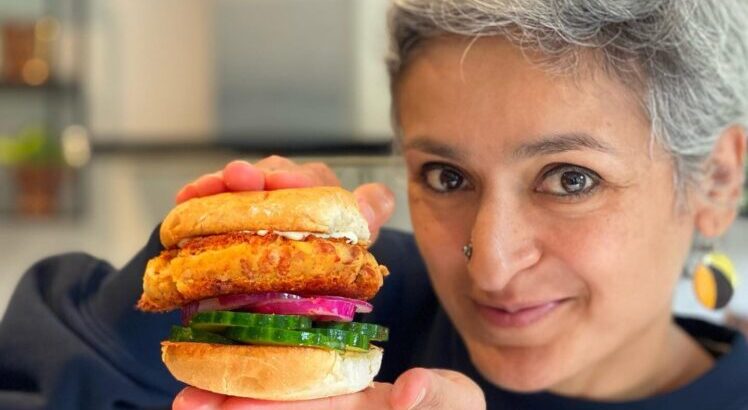
Vegan Heart Ice-creams

Mumbai-based ‘Vegan Heart’ is the only brand in India to offer vegan ice-creams made from oat milk

Interview by Y Krishna Jyothi

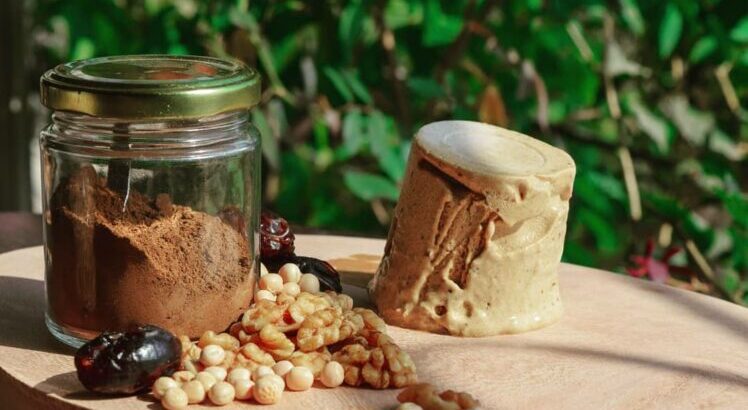
A popular name with the ice-cream-lovers in Mumbai, Vegan Heart stood out amongst its competitors for using dates as natural sweetener, instead of sugar. Launched in February 2018, the brand was founded by mother-son duo Guncha Wadhwa and Kapil Wadhwa of Vegan Heart Ventures.

Mother-Son duo Guncha Wadhwa & Kapil Wadhwa
Mother-son duo Guncha Wadhwa & Kapil Wadhwa

Guncha did MA in Economics and Diploma in Management, while her son (25 now) did BA in Economics. They both handle everything at Vegan Heart – right from conceptualization, procuring raw ingredients, making ice-creams and packaging to delivery, retail marketing, consumer feedback and publicity.

So, how did it all begin? “Our family always had a sweet tooth and a special liking towards ice-creams. But there came a time when we realised how our food habits and choices affect animals. Since then, animal-cruelty became a ‘no-no’ for us,” explains Guncha, who is also the Head Chef at Vegan Heart Ice-creams.

As their awareness on veganism grew, the Wadhwas realised that plant-based ice-creams are a necessity in the market. All these factors prompted them to launch the brand, in a humble way initially.

“We started by selling our ice-creams at Juhu Farmers’ Market, organized by Sharan – an organization that promotes wholefoods and plant-based diets. Everyone loved them. And in no time, we started home-delivering customized orders. Soon, we realized that there’s huge market for vegan ice-creams and began stocking our products at various stores. The rest is history,” the 55-year-old recollects.

The Vegan Heart Ice-creams are free from dairy, gluten, preservatives and, of course, guilt! These are all made from coconut milk and coconut cream, which are considered the healthiest alternatives for dairy. “Our ice-creams are naturally sweetened with dates and don’t contain added preservatives or artificial flavors and colors. Our product is diabetic-friendly, too.”

At present, Vegan Heart is offering eleven 100% natural flavors including Mawa Malai, Strawberry, Cookies & Cream, Coffee Bean Cinnamon, Chikoo, Mango, etc. But, Belgian Chocolate has been its bestseller. The brand serves 6 flavors throughout the year, but adds new artisanal flavors to the menu as per season – to satiate those cravings. For example, customers love to binge on thandai and mango flavors during summers, and strawberry in winters. There’s also chikoo and custard apple.

Through Vegan Heart, the Wadhwas advocate vegan diet as the best option for one’s health; for, it provides wholesome foods that are great for gut, nourishing, lesser in cholesterol, induce weight loss, etc. “Our ice-creams are no exception to this, without compromising on taste. This is exactly why we have vegans, vegan-curious individuals and non-vegans as our customers,” she explains.

Since the pandemic, the demand for vegan foods and brands has doubled. And to have that competitive edge, it has become imperative for the manufacturers to bring in some uniqueness and novelty to their products.

“Vegan Heart never lags behind on that front. In fact, we are currently the only brand in India that offers vegan ice-creams made from oat milk. We’re serving an acute differentiator by making our product wholesome, flavorsome and supremely healthy,” Guncha is all smiles.

The brand recently ventured into retail business and managed to do well at shops like Sharan Organic Store, Society stores, Farmers Stores, Rare Earth Cafe, Roman General Stores and Grrovers Supermart (Mumbai), Nature's Soul in Delhi, etc. It also made its way into online retailing through Vvegano, Greend and other websites.

These 100% natural artisanal ice-creams can be ordered on Zomato or Vegan Heart’s website. They are available in 120ml and 480ml packs in Mumbai, Delhi, Jaipur, Goa and Chennai. They come with a shelf life of 90 days from the manufacturing date.

Meanwhile, the Wadhwas have plans to expand into more cities in India. “But, for now, we’re focusing on gaining a stronger foothold in Mumbai and channelizing our energies into forming a better e-commerce ecosystem,” Guncha sums it up.

An Emotional Bond with Indian Food

Chetna Makan hogged the limelight with the renowned Great British Bake Off-2014 show. Though a semi-finalist, the Indian-origin chef won many hearts by infusing traditional Indian flavours with Western bakes. She authored five bestsellers on Indian food from 2016. Her next book was launched in June 2022

Interview by Sophia Ann French

Born and brought up in Madhya Pradesh’s Jabalpur, Chetna Makan pursued a career in fashion designing at NIFT and landed a job in Mumbai. In 2004, she moved to Kent in the UK along with her entrepreneur-husband Gaurav Gupta. While cooking has always been her passion for this 42-year-old chef-author, she fell in love with baking while making cakes and cookies for her children Sia and Yuv.

Chetna Makan came to limelight with her entry into the Great British Bake Off-2014. Though a semi-finalist, the Indian-origin chef won many hearts with the unique cooking style – infusing traditional Indian flavours with Western bakes. The popular baking show inspired her to seriously pursue a career in cooking and that’s when Chetna gave wings to the creative soul in her, She launched her YouTube channel (Food with Chetna) and began to write cookbooks, which turned out to be best-sellers and won her laurels for making Indian food popular among the foodies across the world.

Chetna Makan with her cook books

Till now, Chetna Makan authored 5 books and her next is all set for a grand launch in June this year. Her work reflects the emotional bond she shares with Indian food and the fond memories she cherishes while preparing the same, all the while  trying to bust the notion that Indian vegetarian cuisines are unhealthy, nutrition-deficient and insipid. Simultaneously, she creates awareness on innovative flavours one can create using the plethora of ingredients.

In an interview with AYUVE, the fashion designer-chef-author shares details about her journey, her innovative cooking methods, about her true inspiration (mother), her emotional attachment with Indian food and a lot more. Read on:

A small town girl from Jabalpur to a fashion designer from NIFT, a creative baker, one of the bestselling authors of cookbooks and a renowned YouTuber, it’s been quite a journey. Tell us about your family and their support in your journey thus far. What inspired you to take up cooking as a line of work?

The support from my family has been amazing. My mum, dad and two sisters are all very proud of what I have achieved and I was lucky that they were able to visit England for the launch of two of my books. I try and visit them in India every year and they keep visiting me whenever possible. We went to India in February 2022 and it was lovely to see them, after two years of Covid-19.

As regards to my husband and kids, they have been really supportive and helped me throughout. Taking up cooking as a career is something that I had not really planned, but it all happened and started when I decided to go on the Great British Baking Off-2014 (GBBO).

You often said that your mom taught you everything about flavours. Are there any mom’s special dishes that you still cherish?

Yes, my mum has been the biggest inspiration in my cooking journey. To be honest I can eat and enjoy anything she cooks. She puts so much love into her food and everything tastes amazing. She can make absolutely any Indian food from dosa and biryani to jalebi. She has this talent that anything she cooks turns out amazing.  Every dish that she makes has some lovely memories attached to it, like the basic Tadka Dal. While growing up, I remember her going straight to the kitchen and preparing us Dal Rice immediately after coming back home from our travels. I do exactly the same now.

Could you tell us about your initial days of cooking? Are you teaching your kids, too? Do they help you out in the kitchen?

My mum never really stood and taught me step by step of any dish. She cooked everything by herself and never had any kitchen help. I would always be in and around the kitchen just watching her cook and guess that's how I picked up things. I do try and get my kids involved in the kitchen. They love to bake and can now get on with it themselves. When they were younger I would be there every step of the way trying to make sure they were doing it correctly. They are yet to learn the more detailed cooking.

Why and when did you move to the UK?  You turned into a baker after having two kids. Then, you participated and became a semi-finalist in the Great British Bake Off 2014. How was the experience at the show and how did it help you to grow as a baker?

I have always been fond of cooking. I moved to England with my husband for his training. Then, we stayed back and made UK our home. Baking was something I was always interested in, but I really started baking after having kids – it’s then that I was making lot of cakes for my kids and friends.

Going on the GBBO was an amazing experience and yes, it made me grow and evolve as a baker; it also gave me the confidence to then go and write my cookbooks. It taught me a lot about cooking techniques, organising and most importantly, quick baking. It gave me the confidence that the flavour combinations I was doing were good and being loved by the judges. It definitely made me explore the combination of Indian food with Western bakes. I’m still in touch with the contestants. We try and meet once a year around Christmas time. That was one of the best things to come out of GBBO – 11 amazing friends.

What’s your favourite meal of the day? How would you describe the best meal? What is the best part of cooking, for you? 

My favourite meal is the one I have when I’m most hungry; so it could be lunch or dinner, but I enjoy the most when I eat with my family. The best part of cooking, for me, is watching my family, friends and others enjoy the food I prepare.

I never cook as per individual tastes. My kids have grown up knowing that there will only be one meal option and that they have to eat what I have cooked for the whole family. We all love Rajma Rice, Chole puri, Aloo Parathas and Dosa Sambar. I try and make a special feast for us every Sunday.

Is there any particular spice that you love to use more in your recipes?

My favourite spice of all time is Cardamom. I love that particular spice has so many different notes and how it works so beautifully in sweet and savoury food.

Tell us about the local cuisines of Jabalpur that you love and miss a lot; please share with us the childhood memories you have with them…

The biggest memory is the Samosa, Jalebi and Poha breakfast in Jabalpur that I have not experienced anywhere else. There is this shop behind my parents’ house that make the best breakfast of all. The shop is still there and I visited it again when I came to India in February.

Her first book ‘The Cardamom Trail’ was a bestseller and now, she is all set to bring out another book on baking (Chetna’s Easy Baking: with a twist of spice) in June this year

Tell us how baking helps satiate your creative soul?

When I went on the GBBO, I wanted to do something different and all I knew well was Indian food; so I decided to come up with recipes that had a touch of Indian food in the bakes. It was great to develop those recipes and that's what was the idea behind my first book. Now with my new book "Chetna’s Easy Baking" I am so happy to go back to baking, as I have such a passion for it.

Tell us about your street food journey in India, which apparently motivated you to write your second book ‘Chai, Chaat and Chutney’…

When I moved to the UK, I realised that people were not aware of the vast variety of Indian street food. So when I got a chance to write my second cookbook, I wanted to share the amazing Indian street food. I travelled to four major cities of India and researched some amazing food and was able to share it in my book.

I had been to Calcutta as a child, but visiting the place to do research for ‘Chai, Chaat and Chutney’ was the most amazing experience. I fell in love with the city, the people and the food. On day 1 of my trip, it started pouring and we went to this food galli somewhere near office buildings. The people kept relishing their lunch by taking cover under umbrellas and plastic sheets, while the rain kept pitter-pattering on the roofs. I had the best Thali and Chai at that place. It was all beautiful and soothing; the experience remains with me forever!

Your book “Chetna’s 30 Minute Indian” came as a pleasant surprise, or should we say a respite, for those looking for some speedy recipes for every occasion. 

Yes, I think you are right, because a lot of people find cooking tedious and a job that they don’t enjoy. We all want to eat delicious food but don’t always have the time to prepare it. And that was the idea behind it all – to share recipes that are ready in no time, but taste amazing at the same time.

Tell us about “Chetna’s Healthy Indian” and “Healthy Indian Vegetarian”. In the latter, you wrote about and developed quite a few vegetarian and vegan cuisines yourselves…

This is another thing I’ve found in the UK, where people thought that we Indians eat curry and naan every day for our meals and these are considered unhealthy food options. So, those two books were developed to show people how we really eat at home- a balanced and healthy diet. Not all realise that the food prepared in Indian homes is mostly vegetarian.

Post-Covid, there has been a substantial growth of awareness on health-consciousness and mindful eating. Could you cast some light on it?

The fact that we were all stuck at home and developed some unhealthy eating and drinking habits is making people look for more healthy food and mindful eating. I think it is a good thing and I really hope that it continues; it’s not only good for people, but also for the environment.

All your books have been about Indian cuisine. Is it a conscious decision? It’s true that Indian food is spreading throughout the world and we are witnessing many adaptations of the same, of late. How are your recipes different from these adaptations?

The fact is that I only do recipes that I love. I am not a big meat eater and my husband is vegetarian too. We sometimes eat chicken and fish but 90%of our food is naturally vegetarian and that reflects in the recipes I share in my books and will continue to do so.

My books and recipes are all about how I cook and eat. These are the things which I have grown up with. I get inspired by so much of my mom’s food and always give them a twist by adding more local produces I can find in the UK. Like the Methi Papdi that she makes all the time at home – that is one recipe I used in GBBO; I added a couple of more spices to it and instead of deep frying, I baked it. I tried lot of such experiments in my cookery books, too. My readers simply love such surprises.

What has been the response to your cookbooks from the readers in India? Do you miss being in India and relishing those native, traditional flavours?

Yes, I do miss India and I am very lucky that I can call two places my home – India and UK. And the response to my cookbooks in India has been lovely, too.

Tell us about your readers and subscribers – are they mostly Indian or are there foodies from other parts of the globe, too? Tell us a couple of memorable moments you shared with your followers...

The best part is that my readers and subscribers are from all around the globe. A small number of those are from India, but a majority are people from around the world who are really interested in Indian food and have been finding ways to learn how to cook it themselves at home. The best part is wherever I travel I always find people who stop me and tell me how my books or YouTube channel has helped their cooking and their love for Indian food and that is always very heartwarming.

Would you tell us about your association with the Food52 team? Do you have any plans to collaborate with other authors or chefs or experts for your books, in future? You’re going great with over 215k subscribers for your YouTube channel – Food with Chetna. Tell us about it…

I have been working with food52 for 2-3 years now and they are a lovely team to work with. I admire many authors and the list is too long, every writer has their own touch and specialty and brings his/her own knowledge to the world of food.

I am always looking to collaborate with other authors and chefs and have done a lot of that on my YouTube channel. It is great fun to share my kitchen and what I cook for my family and friends on this platform.

The response has always been heartwarming and special. I do get amazing emails and messages from my followers stating how my channel has helped them cook Indian food, understand it better and have it simplified. That makes it all worth it!


Chetna’s Cookery Books


The Cardamom Trial (April 2016):

The book has been included in the 31 Best Cook Books of 2016 by Washington Post; the 11 Best Cook Books of 2016 by independent.co.uk and in the 10 best Cookbook gift ideas for Christmas by Evening Standard. It showcases rare yet precious traditional bakes from India, besides new spice-infused recipes like Sponge Cake with a Cardamom and Coffee Filling, Puff Pastry Bites filled with Fenugreek Paneer, Swirly Bread Rolled with Citrusy Coriander, Mint and Green Mango Chutney and Steamed Strawberry flavoured with Cinnamon.

Chai, Chaat & Chutney (July 2017):

In this book, Chetna Makan presents the wide variety of street food available in the Indian cities of Mumbai, Kolkata, Delhi and Chennai. She reveals the ingredients, techniques and character of each cuisine (like Tamarind-Stuffed Chillis, Chana Dal Vada with Coconut chutney, Carrot Halwa, Pani Puri and Pistachio Kulfi), while sharing with the readers her travel experiences and photographs. It was chosen one of the Best Books on Food for 2017 by The Guardian.

Chetna’s Healthy Indian (Jan 2019):

The book deals with simple methods, ingredients, flavours, nourishment and comfort in home-cooking. It has 80 realistic recipes that the author creates for midweek, after work, busy weekends or when she simply wants to look after herself with wholesome food: Tandoori Pan-Friend Sea Bream, Paneer & Cavalo Nero Saag, Baked Cardamom & Pistacho Yogurt Pots.

Chetna’s Healthy Indian Vegetarian (June 2020):

The book is a celebration of Indian plant-based food at its best – fresh, vibrant, delicious, varied and nutritious. It offers 80 vegetarian and vegan recipes that even the meat-lovers would enjoy. It is packed with innovative ideas while being easy and accessible for home cooks. The dishes include: Garlic & Tamarind Soup, Cheese & Potato Chapatti Sandwich, Courgette Kofta Curry and Beetroot & Sweet Potato Korma

Chetna’s 30 Minute Indian (June 2021):

This book was created, written and launched during the Covid lockdowns. It has 80 Indian recipes that can be made in 30 minutes or less with minimum ingredients – without compromising on flavours. There are salads, fast snacks, toppings for toasts, dals, veggie, fish and meat curries, all-in-one rice dishes, raitas and desserts for every occasion.

Chetna’s Easy Baking: With A Twist of Spice (June 2022):

The brand-new booking is yet another collection of bakes and includes 80 tempting sweet and savoury recipes that combine Chetna Makan’s creative flavour twists like: Cherry Almond Honey Cake, Onion Masala Focaccia, Orange & Cinnamon Savarin, Saffron Fennel Pound Cake, Peanut Masala Tear and Share Bread and Mango & Lime Meringue Pie.

Love, Joy and Yoga

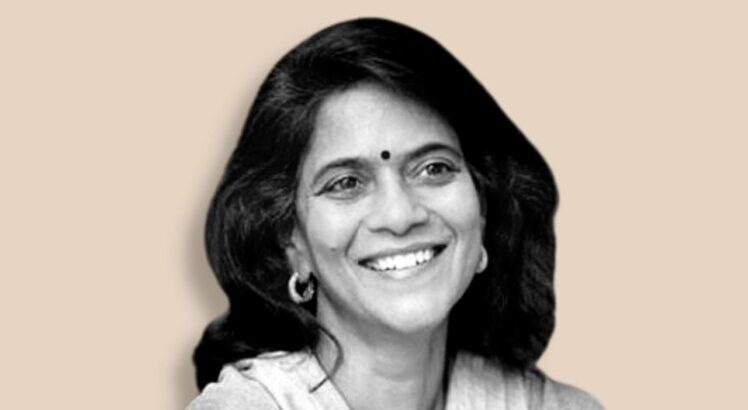
What makes a happy relationship? This millennia-old question doesn’t have a definite answer and even after millennia, the human condition, when it comes to love, remains complicated and love remains a mystery. We feel it, we know it, we want it and yet, so few of us truly realise love and understand that even if we are to love another, the feeling of love has to first come from within. Talking to Hyderabad-based Psychotherapist Sujata Ameya during this interview has helped me understand the finer nuances of modern relationships, and these issues are global and universal. Each one of us wants to be loved and feel connected but intelligently navigating relationships is a challenge in a constantly changing and evolving society, and with the stress and demands of modern life, do love and marriage even stand a chance?

Sujata is optimistic and believes that our ancient Indian wisdom and spiritual practices can help this cause, and teach us to fulfil and love ourselves because seeking that in another is the first step towards unhealthy attachments. I discussed my own relationship with her to start the conversation. My partner and I have been together for ten years, we’re not married and don’t plan to have children but still have all the issues that married couples do. We fight, we argue, but there is also love and affection and our decision to be together is a matter of choice. But I also know so many couples who remain in unhappy marriages, some don’t even realise they’re in a toxic relationship and some are just completely clueless on how to tackle the age-old dilemma of love.

Sujata approaches relationships with four basic laws that she feels we can find in every relationship and in nature. We discussed the differences between healthy and unhealthy relationships within the purview of these natural laws and she beautifully explained how she uses these laws to “enable partners in a threshold marriage to reconnect consciously or disengage gracefully and transition powerfully.”

The Laws of Polarity and Cyclicality

Sujata is the first psychotherapist I’ve met who specialises in relationships, and it’s not a common profession, especially in India, even though we Indians have such complex, layered relationships when it comes to love and marriage. But, when I posed this question to her, she felt that it’s not so much about East and West. Love problems are universal but yes, we Indians approach it a little differently from the West because of cultural differences in the way two people decide to unite and spend their lives together. “I have clients in India and abroad and also Indians who live abroad, but when it comes to marital therapy, they look for Indian psychotherapists. This has nothing to do with being narrow-minded but it has more to do with a cultural understanding. There is a certain kind of complexity and intricacy and a lot of nuance that exists in the way Indian relationships play out. They’re not based on simple cut and dry decisions. Having said that, if there is one thing I’ve learnt (and I have lived abroad for around five years) is that relationship and family issues are identical across the world, and especially issues that women go through are the same across the board, so that was a very humbling and eye opening realisation,” says Sujata.

Indian or not, I was curious to find out why modern relationships seem more complex than they did in the past. I asked Sujata if relationships and especially marriage, has always been complicated and maybe we’re only hearing so much about it now because we have global access due to technology or, is the increase in marital problems and relationship issues the result of modern lifestyles? I wanted to understand why modern relationships suffer so much. Sujata’s analogy is as follows, “You’ve opened a Pandora’s box by asking me that (laughs), and I have to say it’s not a simple answer. Ok, to start with, let’s talk about gender roles. In the case of women, with so much freedom, independence and a voice, women have tremendous opportunities to realise their entire potential. But extreme feminism can have negative consequences, too. For example, women are now CEOs of MNCs, the are VPs of companies, they are excelling in almost every field that was conventionally dominated by men, and while this is great, it has also got an insidious aspect that has given rise toxic femininity where gender and it’s understanding is blurred. While I support this independent woman, I also believe that while both genders are equal, they are also inherently different. That difference being blurred is what is causing a lot of relationship anxiety,” explains Sujata. “As a woman, I’m all for gender equality which at one level is true - we are definitely equal as human beings but we need to understand that we are not the same. Genders are different from one another. Completely different and unless we completely honour and understand and accept that difference, these problems won’t go away, So what women end up doing unwittingly and unconsciously is that they are modelling and channelling the masucline method of living the ‘good life’ or reaching a higher goal - they are simply mimicking that and at the same time, they want to keep their feminine roles, so I hear things like, ‘I work 15 hours a day but I also have to make sure that my child is fed, is studying well, and gets a movie night with me, so I am also trying to be a very involved, hands on mother. Plus, I am trying to be a wife to my husband, plus run the house’ - so this whole idea of the super woman archetype is too much and is creating mental health issues. Now I am not saying women should not pursue careers. I am saying there is something fundamentally wrong with the way we are doing it. A male client of mine once joked that, ‘for a modern, urban nuclear family to survive, the couple needs a wife!’ (laughs). I saw some sense in that. It is the crux of why so many relationships are getting into trouble right now. So women who are out there with brilliant careers are suffering and on the other hand, women who are homemakers, who have not been allowed to go out, explore, express, and get a job and have an identity, are also suffering. So at the end of it, we are still dealing with very subtle, insidious rules of patriarchy. And by the way, women are not the only victims of patriarchy, men suffer because of it too,” explains Sujata.

Why do we get married? In ancient India or the rest of the world for that matter, marriage wasn’t so much about love. It was about forming social or political arrangements. It was an institution that gave society structure and a framework to function within. But as the world is changing, this institution hasn’t adapted to modern needs. “At the cost of sounding extremely radical,” says Sujata, “I feel in the next 30 to 40 years, marriage is going to be a defunct institution. Marriage across the globe was set up and became an institution for social containment, and social control, and in some ways, to offer some kind of security and predictability to things and society. Different roles were allocated to different genders but today, those roles don’t hold. I don’t think marriage was ever about just a man and a woman liking each other and getting married. Marriage was a social concept to ensure that society has a framework. Even if you look back all the way to the Mahabharata, marriage was always driven by political and social agenda, power and coalition. Kingdoms had their princes and princesses married to ensure no wars were waged, and at the time, everyone accepted it. But in today’s world, there are no kingdoms or coalitions to be formed. Men and women can earn their own money. Women know that if they’re in an unhappy marriage they can leave, even if their parents don’t support them, they can support themselves. So now what? We are seeing rapid unravelling of the marital system.”

So where do relationships stand and how do we form relationships if the end result is not marriage. Sujata explained that we need to redefine what it means to be with someone. The problem lies in thinking our partners fulfil us or make us complete. “In my experience, I have seen problems in both married and unmarried couples. In today’s society, people should ask themselves why they want to get married. Is it because everyone else is doing it? Is it because you’re of a certain age? Is it because of pressure from your parents? These are all wrong reasons. And, you don’t have to be married to have problems. Just living under the same roof is enough. The workshop I am doing on 21st and 22nd May with Indica Yoga, addresses these issues. It lays the foundation for understanding how problems emerge in relationships and why. You said something important when we started this interview. You said that your partner and you are together because of choice, and that if things don’t work out, either of you can leave without any complications. What you are actually saying is that in your own individual space and as individual entities, as people, as your human social identity, you are both separate, strong, established, with a sense of personal space and boundaries, and you both know how to take care of yourselves and engage with the world outside (contribute to it and receive from it). So, you carry that strength independent of your relationship. It is there. So what does your relationship do, it makes it so much more beautiful as it enhances your individuality and provides companionship. So you have the cake and the relationship means you can eat it too (laughs). Yes, you have a good relationship but is it free of problems? No. Of course problems will come up - for example that cake that you have…you might want pink icing and your partner wants blue…but this refers to the law of polarity - it is the interesting interaction between the need for autonomy and the need for attachment or belonging. So if you put this in a graph, autonomy is what grants strength to the relationship but attachment and belonging is what grants stability to the relationship. So if there is too much attachment, you will be coming closer and closer and like two porcupines you will start poking each other so there is a natural response to move away, to ensure that there is better autonomy, and that restores the relationship.

Ok. I am going to make another radical statement, fights are mandatory for the health of a relationship. If you don’t fight, there is a huge risk. So when people say ‘oh, we never fight,’ the relationship is already dead. There is nothing to revive. Now, how do you fight, what do you fight for, what are the methods and how long do you fight - all that can be fine tuned and refined. But if you have nothing to fight about, there is something wrong. Because it is in-built in nature. Attachment and autonomy - the interplay is constantly present. It’s what gives rise to creative tension and something new is constantly possible. So what makes a happy relationship? Awareness of reality. Relationships are fundamentally a disguised search for the self. I am seeking a mirror to see myself. I want to be seen in your eyes and see myself through that parameter. So relationship trouble can actually become a catalyst for self-discovery. So if I have some challenge with you, it could mean you are spotting a blind spot that I can’t see, and if you say that or show me that, it becomes an opportunity to discover. If you are kind while showing me, even better. Even if you’re not, it’s ok, I can still take it. So the constant feedback loop allows each person to go deeper into their space, and come out a better version of themselves. That exchange is what will make a relationship healthy and happy. This refers to the law of cyclicity - there are four laws, I spoke about polarity already and now we’ll look at cyclicit. You start with something pleasant, there is connection, that eventually leads to conflict because it is inevitable and that becomes the root for the silent stage, which is the cocoon stage where you withdraw into yourself and understand, to go deeper and from there you emerge into a better version and can even establish a deeper union with your partner. So this keeps happening cyclically in healthy, vibrant relationships. It might seem like a very abstract analogy but when someone comes to me with specific problems, I apply the same logic to their individual issues,” says Sujata.

The Laws of Mutuality and Transition

If fighting is healthy, how do we differentiate between a healthy fight and an abusive relationship that is toxic? It’s tricky but Sujata offers a sound analysis and solution. “Abuse is not just what is inflicted and visible. There is also abuse by deprivation, where your need is not met. It could be your need for affection, your need for eye contact, need for validation, need for sex - anything. So yes, abuse can be inflicted and it can be due to deprivation. When does it become toxic? I think anything becomes toxic when disrespect occurs, consciously or unconsciously - doesn’t matter. When your boundaries are not respected, when your space is infringed upon, when there is judgement, when there is criticism, discontent and disdain, that is when a relationship is toxic. And this is something we all know deep down in our hearts. The soul recognises respect and disrespect. The mind then comes in and rationalises and justifies bad behaviours. But deep down, you know when someone is being disrespectful towards you. You know when someone has a benevolent regard towards you and is being angry with you and fundamentally disregards you. So toxicity is not only that one party or both parties do this to each other but it is also about not being able to stand for that and call it out. For example, this is classic in alcohol and other types of codependent relationships. Where someone does something that is not acceptable but the partner is first angry and sulking and all of that happens but then they go inwards and say, ‘but I also did this to evoke that or to deserve that.’ That is toxicity, where neither party is able to point out and accept that it is not ok. Where each is justifying the bad behaviour but the essential component of this interaction is disrespect. This also refers to the third law which has to do with mutuality. These are all laws from nature, these are not just psychological. If you observe the five elements and see all the processes of nature - you will see these four laws eminently working. Mutuality has to do with the law of symbiosis - I serve you and I am served. But in relationships, what happens with mutuality is that we are ok with being transparent when it comes to telling our partners what to say and do but we don’t want to be on the receiving end. (Laughs). The solution is to communicate even negative attributes with love and compassion. For example, if your partner is always late to occasions or outings, Instead of yelling at him or her, understand how their behaviour makes you feel. Try authenticity with vulnerability rather than authenticity without vulnerability,” advises Sujata.

When we learn how to authentically address our feelings, we can make powerful positive transitions within our relationships because the relationships become a source of growth and inner development for both partners.

To Love or Not to Love

Listening to Sujata talk about relationships is a deeply calming experience. My next questions to her were about how to decide whether a relationship is worth saving or not and what happens to relationships and people who just aren’t working. This is where her work really comes into play because she enables and empowers men and women to either reconnect consciously and resolve their issues or if she feels it’s just not working, she also enables and empowers people to transition powerfully. “Nobody gets married thinking there is an expiry date to it. But lying is like holding sand in your fist and trying to contain it. You can’t. Especially the lies we tell ourselves. To be honest, I see this transition more in women than in women. Their dilemma is that staying in an unhealthy relationship is unbearable and leaving is unthinkable. How I approach this is by making them aware of who they are. Who you are? What do you stand for? What your values are? How did you get into this situation? How have you been contributing to sustain and enable this kind of situation? So the first thing is the U-turn. Check in with yourself. Then comes a point of clarity and you realise what the actual issue is. In most cases (in fact I would say all), the marriage will function as long as the woman is willing to play the role of a pretty woman. No brain, but just deliver the role she is given - such marriages work, they might not be happy, but they work. But, when the woman wakes up  to her individuality, to her femininity, to her power to her authentic existence - that is when the marriage starts cracking. So this is a very frightening thing. But that inherent strength is so powerful, it will come to the fore. You can’t put a lid on it and contain it. Part of the process is to help women to see who that emergent woman is and in what ways can she navigate this relationship to see how it can be helped - in a more awake, honourable and inclusive way and not by sacrificing this for that but rather including. In some cases, this isn’t possible, the husband is like ‘who the hell are you?’ And sometimes the woman is like: ‘I want out.’ She realises she’s lived a lie and just wants out. Then we come to the transition. So to transition powerfully is a continual process. You discover how much disrespect, degradation and mortgaging of the soul you put yourself through and that is hard to deal with and recover from.

You have to build yourself from scratch. This is hard. You are actually building a new persona and a new being who is true inside and outside without a facade. That interestingly, does not require that much external support. It is an inherent power that we all have. It is a unique process, a long process and it requires psycho-spiritual stamina to really walk through but such people emerge so strong and powerful on the other side, that the process becomes worth it. It is humbling and gratifying to see that.”

What About Men?

At the start of this article, Sujata pointed pointed out that men are as affected with women when it comes to patriarchy. While the world is moving towards empowering women and giving them a voice, we’re completely neglecting men, their emotions and finding a balance between genders. Men need as much (if not more) emotional and mental support to deal with an ever changing society. In the same way that conditioning is ingrained in a woman’s DNA, men suffer from conditioning, too. They’re raised to believe that emotions are messy and being vulnerable is ‘girly’ and as a result their way of dealing with difficult emotions is to become completely aggressive or completely withdrawn. “This is the flipside of the whole equality game. We are trying to empower women and educate them but what about the men? So women are turning into super women but men feel left behind. We don’t even pay attention to them. There needs to be balance. Women are so capable but nobody talks or addresses a man’s emotional issues. So these men get either aggressive or withdraw, there is apathy or violence. It’s what they know because they don’t know better or haven’t been told better. For relationships to thrive and feel healthy, both partners also have to be healthy. I see all these corporate workshops now, where men are taught emotional empowerment but most people delivering these lectures are also mean (laughs). Men are so poorly equipped to deal with these changes and the rise of the empowered woman. They need support, too, and I ensure this support is provided when I am dealing with any couple. Change is slow but it is happening,” says Sujata.

Love and Spirituality

To conclude, Sujata encourages men and women to turn to profound Indian wisdom for guidance. “Just reading our Puranas, the Mahabharata or Bhagavad Gita can bring such joy to our lives and there is so much to learn from them - in terms of spirituality and relationships. All the lessons are there!” Says Sujata. “Cultivate a spiritual practice as this can help you to understand yourself and find love for yourself so you stop looking for it in your partner. Once you know yourself and love yourself, you recognise love and all spiritual practices help a lot whether it is asana, Bhakti, or Raja yoga. Don’t seek in another but rather complement your partner and ask for the same. No human being can fulfil you. You have to fulfil yourself and find a partner who wants to live life with a shared vision, a shared goal and life that is beautiful and filled with joy. That is happiness in love.”

The Organics of it All!

Sharmila Oswal - Founder of Basillia Organics & 1Organic - talks about organic farming, challenges and advantages, millet consumption in India, and how Basillia Organics, through its social enterprise model, is working towards making pesticide-free food accessible to masses

By  Y Krishna Jyoti

Mother is a Bar at Law from the UK, and a Water Diplomat from MIT Harvard-USA, and, son a graduate in Philosophy and Economics. Mother-son duo Sharmila and Shubham Oswal decided to leave their careers behind to start a social enterprise startup – Basillia Organics for the cause they believed in – to make organic food accessible to the masses. Their brand 1Organic promotes organic staples and snacks made from natural ingredients, grown using traditional methods and indigenous Vedic and heirloom seeds nurtured in the forests.

With Covid claiming the lives of several of their family members and friends, they reailsed that food is one of the major reasons for lack of immunity amongst people. “Today, every other person is suffering from diabetes, thyroid, blood pressure, cholesterol, cancer or hormonal issues, all thanks to pesticides, chemicals and GMO-laced food we consume. Since good organic food is 10-times costlier, not many people are buying it. So, we both decided to make organic food accessible to the masses,” says Sharmila Oswal.

The result: they left behind their glamorous careers and founded Basillia Organics. Sharmila decided to work with the soil through her social organic agriculture, water and food security nexus. Shubham Oswal brought in his international exposure in related fields (from having worked in France, Canada, Sweden and Singapore).

Sharmila Oswal
Prime Minister Narendra Modi appreciated Sharmila Oswal for her efforts to empower women

“We use one of the most advanced technologies and machinery for our packaging operations. We use automated and semi-automated packaging lines, thereby reducing manual interventions. Basillia creates a platform for organic farmers and, in turn, sells their produce to marquee clients like TATA, ITC, Big Basket, etc. Our experience in respected fields helped us float the venture and run it successfully,” Sharmila tells AYUVE.

In 2018, Prime Minister Narendra Modi recognised and lauded the agropreneur for her relentless efforts to empower women.

1Organic for Cruelty-Free Organic Staples

Yet another brainchild of the mother-son duo, Pune-based 1Organic is a recognised brand for affordable, cruelty-free organic staples and snacks, which help enrich a healthy lifestyle amongst communities who find it difficult to switch from junk foods.

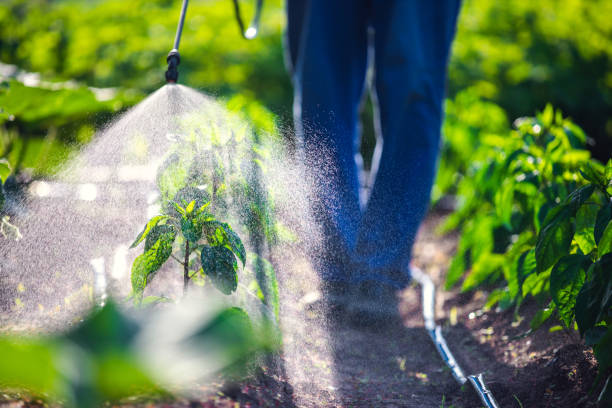
“Plants here are grown by indigenous Vedic and heirloom seeds nurtured in forests with high organic carbon and rich humus land. Natural fertilizers like manure and compost are used to ensure healthy produce. Weeds are controlled naturally through crop rotation, hand weeding, mulching and tilling. 1Organic innovates and creates the same kind of tasty food, using millets and other indigenous ingredients, so that nutrition and health are never compromised. It provides an entire range of organic products at an affordable pricing to help consumers with their eating choices,” elucidates Sharmila Oswal, Managing Director of 1Organic.

The firm follows strict regulations and quality checks in the procurement of the raw material directly from the organic farm. The products are ISO certified and grown organically with zero usage of chemical pesticides and fertilizers. It strictly avoids the usage of any chemicals and pesticides for increasing the shelf-life of the produce. Currently, it is present in 500+ stores across 12 cities like Maharashtra, Karnataka, Telangana, Andhra Pradesh, Tamil Nadu and Kerala, catering to more than 10,000-plus customers.

Basillia Develops Farmers’ Clusters

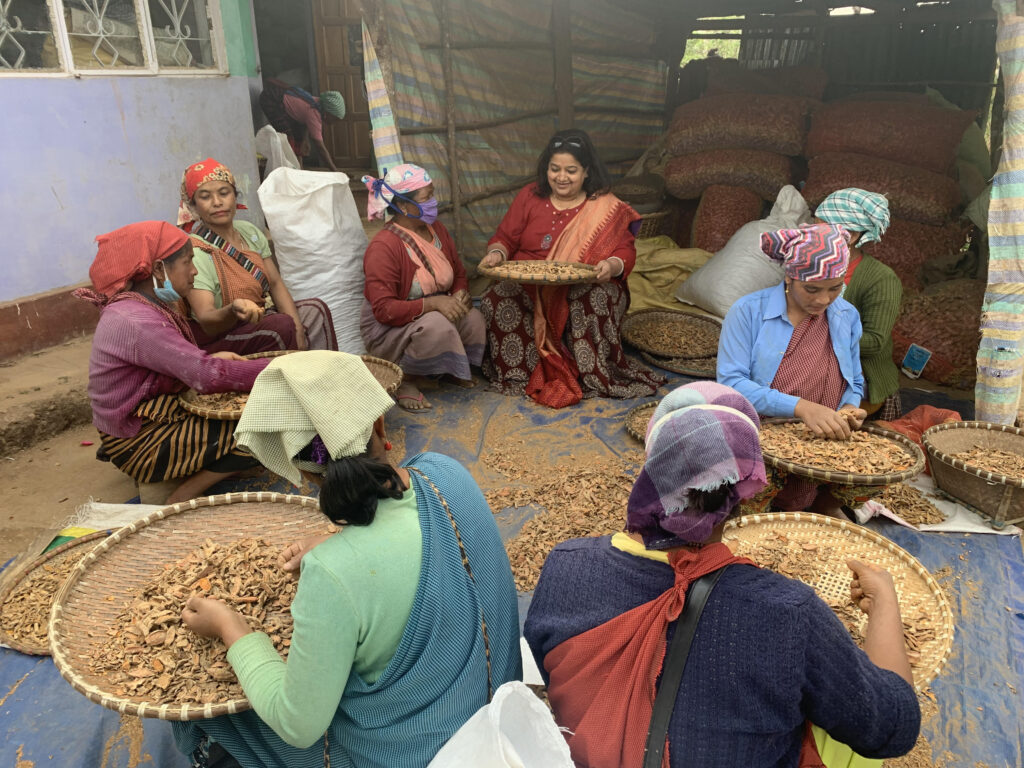
Both the companies offer over 150 products to consumers – from groceries to ready-to-eat snacks – all sourced from 5000-plus tribal farmers located in 13 farmers’ clusters developed by Basillia, across the country. “We also have women farmers’ clusters cultivating farm products for us. Our philosophy is to empower women farmers by creating sustainable livelihoods for them and their families.”

Sharmila Oswal interacting with farmers, as part of creating awareness on the benefits of organic farming

The companies deploy field teams to assist farmers with seeds, sowing, harvesting, etc. After harvesting, they arrange for mandatory lab sampling/testing of the entire batch. “Only after getting positive results, the produce is shifted to our processing centre located in Pune where we grade, sort, clean, grind, crush and then pack it. Our processing centre can handle a capacity of more than 10 metric tonnes per day,” the entrepreneur-healthcare influencer explains.


As an internationally certified (EU, US, Canada, India etc.) organic foods company, Basillia Organics aims to empower farmers and women, by providing them with opportunities to cultivate, process and package organic foods. All the products are made as per Ayurveda and native Vedic culture, using stone grinders. Here, food is processed using 100% organic methods like natural fumigation, natural preservation by using Neem


While on the topic, here are a few insights on the status of organic farming and market in India:

Thanks to the Green Revolution of 1960s, agriculture in India was converted into a modern industrial system by the adoption of technology, to overcome the enduring food crisis owing to famines and low productivity. The use of high yielding variety seeds, mechanised farm tools, irrigation facilities, pesticides and fertilisers were promoted as part of Green Revolution.

But, little did we realise that substantial increase in the production of food grains was achieved at the cost of soil health and that sustainable production at higher levels is possible only by the proper use of factors which will help to maintain the fertility of the soil. The gravity of environmental degradation resulting from faulty agricultural practices has caused alarm among the concerned farmers, scientists and conservationists. Further, greater viable and sustainable farming systems became a necessity, in view of the long-term effects of these chemicals on people’s health. Thus, organic farming turned out to be an alternative agricultural system to help overcome the problems of soil degradation, declining soil fertility and public health.

Ever wondered what’s the market for organic foods in India? According to Expert Market Research report, the Indian organic food market stood at a value of $849.5 million in 2020. For the forecast period of 2021–2026, the trend in the organic food market is expected to grow at a CAGR of about 20.5%, to reach about $2,601 million by 2026.

The study, conducted in major regional markets in West Bengal, Assam, Kerala, Tamil Nadu, Karnataka and other states, took into consideration various products like cereals, grains, spices, pulses, processed food, fruits, vegetables, poultry, meat and beverages.

It observed that the rising disposable incomes, increasing population, health consciousness and consumer spending on health & wellness products served as the major market drivers. Besides, the substantial growth in e-commerce industry and the mushrooming specialty stores, convenience outlets, hypermarkets and supermarkets are aiding the related enterprises to appeal to potential customers.

These apart, the Government of India is promoting organic food by offering financial assistance to farmers through various schemes like National Food Security Mission, Mission for Integrated Horticulture Development, National Mission for Sustainable Agriculture and Rashtriya Krishi Vikas Yojana.

Certification & Merchandising – Challenges

India is home to more than 50% of certified organic producers in the world and the numbers are growing rapidly. However, with more organic food products flooding the market every day, how far can we trust their quality and nutritional values? “Well, it really depends on the brand – as to what kind of ingredients they use in their products. The core values, principles and philosophy of such brand also play a central role. The only way to be safe is to check the nutritional content and quality of the product prior to purchasing,” Sharmila Oswal asserts.

basillia organics
Organic food products from Basillia Organics

But, getting organic food certification is one of the major challenges for food manufacturers. “Organic certification process is one of the strictest in the food industry and is strictly monitored by the government. Every brand has to buy the produce only from certified processors and farmers so that the entire integrity of the chain is maintained. All transactions are monitored by the certification bodies and the Government of India, to ensure end-to-end traceability,” she explains.

After all this, the companies do come across various problems while merchandising their products: shelf life of the products, infestation problems, distribution, convincing the market and channel partners, educating consumers and many more, “which are addressed step-by-step.”

International Year of Millets

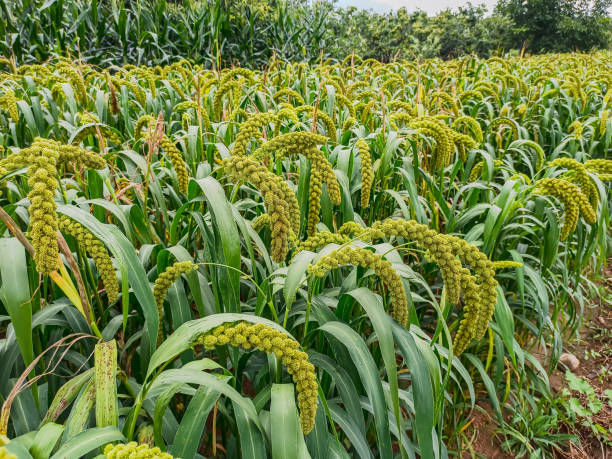
The Food and Agriculture Organisation (FAO) Council and the 75th session of UN General Assembly (September 2020 - September 2021) approved India’s proposal to observe the year 2023 as ‘International Year of Millets’. Rich in protein, fibre, vitamins, phytochemicals, amino acids, antioxidants and macro and micronutrients like zinc, iron, phosphorus, copper, magnesium and manganese, millets are considered superfoods. These help maintain a healthy life and are ideal food for people suffering from chronic ailments like diabetes, obesity and heart diseases.

Roughly 90% of these nutri-cereals are grown in developing nations, mainly in Asia and Africa, where food and nutritional security are major challenges. These are known for their high drought-tolerance, can be grown in areas with infertile soils, under non-irrigated conditions and have low carbon footprint.

As per FAO, the global millet market was estimated at 28.2 million metric ton in 2019 and 30.5 million metric ton in 2020. It is projected to register a CAGR of 4.8 % during the forecast period (2022-2027). Further, India has been identified as the largest global producer of millets with a global market share of 33.3% in 2020. Rajasthan topped the list of millet-producing states in India with over 40% of total production in the country followed by Karnataka with over 3 lakh tonnes of millets every year.

Declining Domestic Consumption

Millets have been a traditional staple food for people living in rural areas and hilly regions across India. But that’s never the case with the urban population. Historically, according to Indian Institute of Millets Research (IIMR), millets were cultivated in an area of 35-37 million hectares in India. Over the years, the cultivated area reduced to 20-22 million hectares. Most of the area under millets has been diverted largely to soybean, maize, cotton, sugarcane and sunflower.

A combination of factors like low remuneration as compared to other food crops, lack of input subsidies and price incentives, subsidised supply of fine cereals through Public Distribution System and change in consumer preference (difficulty in processing, low shelf life of flour and low social status attached to millets), have led to shift from production of millets to other competing crops. However, with its strategic planning, the IIMR is expecting to attain at least 30% increase in millet acreage over the current levels by 2050. The IIMR is estimating a demand of 30-35 million tonnes for millets in 2025.

It may be mentioned here that more than 50% of India’s produce is being exported to other countries, while the domestic consumption of millets as food staples is declining due to various factors like growing urbanization and lack of awareness on nutrition values and health benefits. Interestingly, African nations like Niger, Mali, Nigeria, Burkina and Sudan hold more than 40% of global millet consumption.


“We are innovating new products to keep people incentivised, interested and happy to consume healthy millet choices” - Sharmila Oswal


Reacting to this, Sharmila Oswal said: “Millets were the original crops of India. Wheat was, in fact, introduced by the British and promoted by foreign countries. Slowly, wheat products became the gold-standard of food in India. However, the Indian government and food scientists are now trying to make millets widely accessible, as their nutritional quotient is way higher than that of wheat or rice.”

Government to Promote Cultivation & Consumption

organic farming in india
Millet products from 1Organic

With a view to promote cultivation and domestic consumption, the Government of India assured support for post-harvest value addition, enhancing domestic consumption and branding of home-grown millet products. It announced Rashtriya Krishi Vikas Yojana for Initiative for Nutritional Security through Intensive Millets Promotion, under which more land is being brought under cultivation. Also, 300 post-harvesting units have been set up in Andhra Pradesh, Gujarat, Madhya Pradesh, Maharashtra, Tamil Nadu and Uttar Pradesh.

Few home science colleges have involved women self-help groups in preparing traditional millet-based products, besides teaching them quality control measures, packaging and labeling and hand-holding for local marketing. Such measures gave much-needed boost to millet-based food brands in India like Trumillets by Urban Millets Pvt Ltd, Slurrp Farm by Wholsum Foods, MilletAmma, Grami Superfoods, FittR, etc. These brands are creating several traditional, non-traditional, read-to-eat snacks and convenience foods with millets like roti, noodles, cake mixes, khichdi, upma, biscuits, snacks, etc.

1Organic does offer millets and millet-based products like cookies and chikki. The company is focused on bringing back the ancient grains, which our ancestors fondly called as ‘Satvikfood’. “Millets are known for their magical benefits. We are innovating new products to keep people incentivised, interested and happy to consume healthy millet choices, by eliminating junk food, refined flour, gluten, sugar, oil, etc. For example, we are getting enormous response for our Millet Noodles, Millet Pasta, Millet Khichdi, Millet Biriyani, Millet Chiwda, etc.,” Sharmila Oswal signs off.