Walking In The Path Of The Silent Ascetic

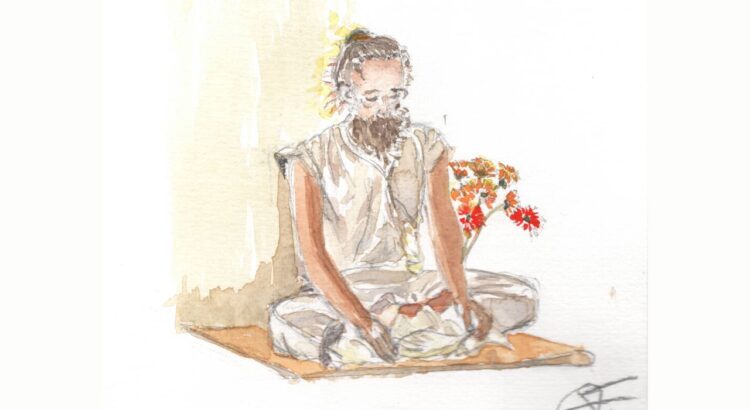
In the nineteenth century, India, under British domination, was forced to confront Western culture and the need to expand beyond its borders. Some spiritual masters entrusted their chosen disciples with the mission of spreading their teachings in America and Europe. This marked the beginning of a new chapter in India's spiritual history, known as Neo-Hinduism. This movement reimagined India's cultural traditions, calling for ascetics to engage with society rather than retreat into the forest. One such figure was Sri Satchitananda, the master of Swami Ji, who was the mentor of Walter Thirak Ruta. Sri Satchitananda chose to live among people in the challenging conditions of city life, demonstrating that spiritual practices can thrive in seemingly non-spiritual environments.

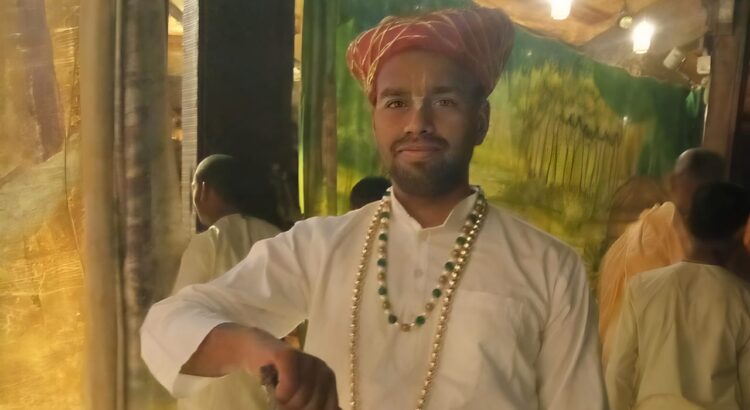
Swami Ji lived his life inspired by tradition, adhering for forty years to the vow of Muni, the silent ascetic who "sacrifices" speech for sanctifying silence. His disciple, Walter Thirak Ruta, dedicated his first book to his master. This book is a genuine "logbook," – spontaneous and immediate, bearing witness to a journey of transformation. It is not academic or preachy but offers detailed descriptions of āsanas, supported by images, interspersed with reflections, quotations, parables, and notes. Throughout the book, there is a constant reminder to recognize the inner attitude reflected in physical postures, which lead beyond mere exercise.
In this context, the use of mantras is fundamental, and the purification process through shatkarmas, dietary mindfulness, and fasting is indispensable. The book includes practical guidance, illustrated with drawings and photos that are not intended for aesthetic purposes but are as meaningful as those once collected in family albums. This gives the book a simple, familiar tone. It is a gift, according to the author, who is convinced that the path of spiritual ascent is meaningful only when shared.

In this interview Walter Thirak Ruta talks about his life and purpose:

Rodolphe Milliat once said: “After the departure of Sri Chandra Swami Udasin on the last Maha Shiva Ratri we will witness a new age of yoga: you will certainly find Swamins, but not always in India and neither Indian. All those great yogis of the past century, that managed to be references for Indian and foreign students at the same time, left after spreading the values of yoga all over the world.”

The background of an Indian yoga student is not the same as that of a foreign one. For the former, tradition is a heritage that supports a lifestyle of wisdom, for the latter, studying yoga is discovering a new paradigm to interpret their own life.

Nevertheless, for both of them the goal is the same: everyone wishes to find a guide to pursue the path and become a testimony of the ātman.

From Ruth Huber’s notebook we can read how Sri Sri Sri Satchidananda Yogi explained the relation to a master, to the yoga texts and to one’s own experience, during a yoga seminar in Switzerland.

Walter says, Swamiji “told us” one day:
Experience is a master. Guru means “reminder”.

Then, on the last day of that week spent with him, he added that there are three sources of authority:

1 The word of the Guru
2 The Yogaśāstras
3 Your own experience
You can always verify 1 by 2 and 2 by 3.

Sri Sri Sri Satchidananda Yogi underlines the importance of our own experience not because it is a certain source of right information, but because it is only by living the word of the Guru and the teachings of the Yogaśāstras that you can double check your comprehension of both of them. If you never practice them you will only believe you posses this knowledge, but a deep root within you will be lacking. A tree without deep roots cannot withstand a strong wind, it cannot find water during a drought.

Experience will be the mirror of your own understanding for everyone of you.

The deeper the process of understanding goes within you, the more the life you live will be an example of living close to the “Self”, for yourself and for all fellow people around you.

It is not who you are in this life that is so important, if you can sustain your own roles in this life from the inner power within you. In order to discover this power, and to keep humble, yoga is for you, o dear soul, on the path of accomplishment!

Whenever you happen to lose your path, remember to ask yourself: “are we human beings in search of a spiritual life or are we souls in the experience of a worldly life?”

Sometimes the answer will arise from the the word of the Guru or from the Yogaśāstras;
other times it will emerge from the silence of your soul.

Both of them will find confirmation of their goodness in the correspondences echoing in your everyday life.

Asked about the teachings from a silent Yogi on Yogic techniques and wisdom, Shri Walter talks about his guru Sri Sri Sri Satchidananda Yogi.

India has ascribed the origins of her culture to a series of enlightened seers who lived in close contact with Nature, generally in the forests or on the mountains. The forest has always been considered a place rich in energy, simultaneously the testing ground and source of great inspiration and it is in those very forests that the ashramas were created over the course of the centuries, hermitages where people looking for spirituality met to share the experience, sustained by the faith / belief that there was another dimension beyond the terrestrial, that there were objectives that outstripped those of human beings and that it was possible to pursue them. The ashramas were not only centers of cultural transmission but also real laboratories of community life, marked by mutual respect and peace,where closeness to Nature created serene and paradisiacal oases.

There have been many descriptions in Sanskrit literature and the one by Kalidasa, the great
poet and dramatist who lived in the IVth century AD, is particularly touching; it describes the hermitage where Shakuntala dwelt - the leading figure in a story that would see her become the brideof a great king and mother of the progenitor of India’s main ruling dynasty: “The leaves bent their heads respectfully to the wind, the plants offered their fruits in adoration. The rice was scattered in the yard to dry together with the bananas, the myrobalan fruits, the cloves and the jujube. The earth in the forest seemed to whisper with the assiduous study of the brahmins’ children. By dint oflistening, vociferous parrots joined in the repetition of the holy formulae and the junglefowl ate thefood offered to the divinity. Nearby, the swans, too, came out of the water to eat the rice offerings whilst the stags gently licked the wise men’s children. Every thing declared constantly that there wasno separation between human beings, plants and animals.”

Says Marilia Albanese of Walter

I have known Walter for many years and seen him transform constantly, in a way clearly visible
from the outside, too, and this new appearance seemed to me to fully express what was happening
inside him. It was not a sort of exotic or eccentric disguise but an expression of authenticity: unable
to be anything but that. Satya has the same root as the verb “to be” and thus “is that which is”. A being who is aware, a being transforming, a being that becomes “being there,” presence of spirit. In his external changes, too, Walter’s path seemed the mark of a hard-won inner transformation, because simply becoming what one is, is an extremely difficult operation. Every time we find ourselves before the adverb “simply”, we are facing something very demanding and very painful.
It must be difficult to follow a silent Master and to take up his legacy, having to assume the
responsibility of conveyance from Master to disciple, guru sishya parampara, going on in silence.
Tradition relies on the word, a word that becomes life, but where there is no word and we must rely
on interpretation of the silence, what fears lie in wait: fear of the intoxication of omnipotence, of
assuming roles that we are not entitled to. It is a solitary path, without support or blessing, but once
we accept the fact that being a Master does not mean fame, wealth, celebrity, but assuming a pledge
to truth, first and foremost with yourself and then with others, then, in the silence and the solitude,
the inner Master speaks.

A Logician of the Devi Traditions

Adheer Som has a family tradition of Devi worship, but it was only when he started his work as a researcher that a series of "coincidences" (as he terms them) nudged him towards inquiring about the connection between humans and the divine. He shares a picture of a 10,000-year-old Devi sitting upside down. She is Baghor Kali, and her form is of a stone. The Devi was found during excavations in 1982, and Adheer says the site is one of the most pristine Shakti places he has been blessed to visit.

He shares a video of the site, located in Sihawal tehsil at the feet of the Kaimur range in Sidhi district of Madhya Pradesh. She is overlooking her beautiful kingdom, flags fluttering in the wind, devoid of human inhabitants. Just behind this shrine, he found his own Kula Devi, fully Yoni-formed, on a mountain. The vigrah has triangular striations all over, only hinted at when the flame flickers over her in the dark.

He also has another favorite: a Baglamukhi Sachal vigrah, who accompanied him once to Haridwar where he felt he needed her protection, but it turned out that he didn’t. She is crane-headed and all-seeing. In a recent post, he says, "the Goddess of Political Power goes by many names but Baglamukhi or the Crane-headed-one, is probably a corruption of ‘Valga Mukhi’ - She who has a bridal face." Among her numerous names is Adheera, now isn’t that a coincidence?

He shares a picture of her unadorned form and also of her decked up in yellow finery. He says she is also known as Pitambari because of her fondness for yellow and is the go-to Goddess for Raj-Satta, as she is Shatru-naashini. “Her classic iconography depicts her holding the demon Madan’s tongue while she’s about to hit his head with her mace.”

In case you are wondering why I am telling you all this instead of starting the interview, it is only to show how Adheer chanced upon his logical interpretation of Shakti peethas when she chided him into seeing the facts from a different perspective. “She said look at it in a particular way and that was that. The rest was easy to figure out and verify.” This started a long journey of following her trail, both external and of the Antaryami. Before that, he says it was a case of…“kahaan Matangi, kaun Matangi” (his isht devi).

What is the role of the Kuladevi in Tantric worship? Could you share a bit about your kuladevi and how your family has been worshipping her over generations?

Tantric worship can be a single act, a life-long individual pursuit or a Clan or ‘Kula’ tradition. In the latter case, she is the focus of the worship, whereas an individual sadhak might or might not have a Clan Goddess, and the ‘Isht-Devi’ or personal deity is the focus of the sadhana, done either for worldly gains, ‘siddhis’ or powers, identification with the deity or all of these purposes. 

My Kula Devi is Shri Kali Mai. We have been worshipping her for nine generations, ever since an ancestor brought back a natural stone ‘Vigrah’ of Maa from somewhere in the region adjoining Rewa in MP. This ‘Vigrah’ was placed deep in the hollow of an old Neem Tree outside our home in my paternal village Isipur, in Pratapgarh, UP. It is not touched or seen. The daily worship ever since has been simply offering obeisance, flowers, water, ghee lamp and dhoop incense. Goat sacrifice was offered during Navratri till some years ago, but now only the ear is nicked and the animal spared. 

I was very lucky to find a natural stone ‘Yantra’ Vigrah of Ma as well, during an expedition to the Baghor site in Sidhi district in MP, while researching the 10,000 B.C. dated ‘Baghor Kali Stone’, about which I have written in the Times of India. This Vigrah is established in my Lucknow home, with Ma’s blessings.          

Did your heritage spark your interest in researching Shakta and Shaivite traditions? 

No, I was born and brought up in Lucknow so did not have much exposure to daily Kula Devi worship. In College I studied Philosophy and developed an interest in Theoretical Physics, much of which was very strange. Right after college I joined the Times of India, Delhi, as sub-editor on the then-newly established Philosophy Desk. However, the work was more spiritual than philosophical and not my cup of tea at the time so I quit in a month. But one day my then boss Swati Chopra had told me about a place called ‘Gyanganj’, when we were discussing the fictional idea of ‘Shangri-La’ based on the Hindu-Buddhist legend of ‘Shambhala.’ She knew of a book on it by the eminent Tantric scholar Gopinath Kaviraj, so I went looking for it in Indology book shops like Chaukhambha, Motilal Banarsi Das etc. I found it, and along with it also found a large number of Shaiva-Shakta texts. It was only much later that I could start making any sense of it all, of course.            

Our glorious Tantric texts are accompanied by compendia and commentaries. Which are the most respected and commonly referred to in your region?

Unfortunately, many if not most of the published editions of the texts suffer from flaws and errors. The traditional compendia are the best to refer to in case manuscripts or clean Sanskrit editions are not available. These compendia include ‘Brihat Tantrasaar’, ‘Mantra Maharnava’ and ‘Mantra mahodadhi.’ For some specific deities, such as Lalita Ji of the Ten Mahavidyas, there are individual texts that have excellent commentaries, like ‘Kamakala Vilas’ and ‘Parshuram Kalpsutra’ but these are of the highest level of sadhana. Some pure commentaries such as ‘Shaktananda Tarangini’ are also quite marvelous. And I must mention ‘Chandi’ Patrika, a wonderful magazine on Shaktism being published from Prayagraj for decades. It has been an excellent, high quality source of commentary and clarification for me. Ritusheel Sharma ji is the current editor and a thorough gentleman scholar of the Tantric tradition.   

Some say that Tantric traditions focus on sadhana paddathi rather than philosophy, unlike other traditions. What is your experience? Can rituals come without philosophy?

It is entirely possible to succeed at Sadhana without knowing any of the philosophy, as Sadhana is ‘Bhavna-pradhaan’ i.e. it is the depth of feeling, emotion and faith that counts. There have been many cases, RamKrishna Paramhans and VamaKhepa being the most famous, of unlettered adepts of the highest order. However, just the philosophy without the sadhana is no better than knowing Sankhya and Advaita Vedanta as intellectual concepts. Actual mystical experience and realization of any sort, or accomplishment of a spiritual goal, usually requires sadhana, although it can also happen entirely by the Devi’s grace, without any effort. In my own case for example, whatever I know of the Sri Vidya was made known to me as an act of grace. I had no interest in it whatsoever and always considered it way above my pay grade, so to speak. Yet, for reasons best known to her, I was made the recipient, so I guess she must have some plans regarding it. 

In my opinion, the ritual itself is a prop to be quite honest, meant to focus one’s own thoughts on the deity and the goal. At high levels, all Puja can be done in the mind, as ‘Manas Puja.’ This is not to say that outward rites are futile. Far from it, they are essential. Interiorized worship can only be perfected after external ritual has been perfected. Knowing the Philosophy helps develop and induce the proper ‘Bhavna’ but is not necessary. Devotion is quite enough for Devi.      

You have researched and written about the Aghori tradition. When we talk about Aghoris,  what Agamas do they follow? Shaiva Dualistic, Raudra Dualistic and Non Dualistic or Bhairava non-Dualistic?

As far as proper Tantric Sadhana is concerned, the first objective of all sadhaks regardless of path is to transcend ‘Pashu Bhaav’ ie the default human condition of being bound in eight ‘Paash’ or fetters: Anger, Disgust, Shame, Fear, Caste, Creed, Modesty and Hatred. (Some lists have a few differences.) It is only once these are cut through training or practice that the Sadhak acquires the Vira Bhava or heroic temperament. It is in Vir Bhava that Vama Margi Tantric practice is prescribed, which involves the use of substances such as alcohol and meat etc amongst other things. The Aghori training is the fastest, most aggressive and also most dangerous way to achieve this transcendence. It is for this reason that Aghoris dress the way they do and live the way they live, not because they are crazy or dirty people as such. They’re trying to not care about being thought of as crazy or dirty and also trying not to think of anything as dirty or terrible or ‘Ghor’ so to speak. 

The origins go as far back as the Rudra of the Atharva Veda As for texts, Aghor is one of Shiva’s five faces and the texts believed to have been revealed by that face are the ideal texts, but there is no consensus on which texts these are. The Rudra Yamala and Bhairava Yamala are popular. The ritual worship can be both dualistic or advaitic. It can also be of the ‘Shaabar’ or folk kind. Texts such as ‘Viveksaar’ by the great Aghoracharya Baba KInaram, who revived the Aghor tradition in Kashi during medieval times, are devoutly studied as repositories of Aghori philosophical thought. I am not familiar with the Girnar Aghor tradition but Dattatreya is of common High Guru-Founder status in both streams.         

When people refer to Tantra or Aghoris today, they talk about 'black magic" or 'cannibalism'. However 2/3rds of our religious rites are Tantric, and half our medicines too. You have seen the magic at times. Could you describe a few things that become possible through this practice?

 ‘Black Magic’ is any ritual act done or rite performed with the intention of causing harm. The same exact rite can be done with good intentions. Shakti is ethics-neutral. One must face the consequences of one’s actions, good or bad. Every tantric text warns against malpractice and guarantees a terrible downfall if malpractice is indulged in because no amount of ‘magical power’ will stop the wheels of Karma from grinding on. Shakti will not intervene on your behalf, because Shakti is herself the wheels of Karma. That said, a whole lot of people, uneducated, educated and highly educated, indeed indulge in these low-level acts of sorcery. Thankfully much of it is utter nonsense and has zero effect.  

As for Cannibalism, there is certainly ritual acceptance of human flesh on specific occasions during training, typically some small bit left over from a corpse after cremation. This too is done to eradicate thoughts of disgust or fear or impurity regarding the dead. It is not exactly a dietary choice 🙂 Also, I don’t think it grants any magical power whatsoever. It just removes a sort of conditioning from the Mind, and only a soul with a mind entirely free of conditioned response becomes the truly autonomous self, Shiva-like. Healing of course is a specialty of the Aghoris. They are reputed to be able to reverse even death, and cure the incurable by taking the disease upon themselves and sublimating it. However, I have never seen an Aghori perform a miracle at all. The genuine ones are least bothered about miracles etc. 

Amongst the miracles I have witnessed, the best one was done by a small, school-going girl in Kashi, who I met by coincidence at a temple. I believe this child, Vaishnavi, has an ‘ansh’ of the Devi whose temple she lives in. She can vanish at will, in broad daylight. I have seen it myself, as have others in the area. Sounds awesome, right? But it’s quite unsettling when this sort of thing happens. One is left astounded and a little scared too!       

You describe places of importance to Aghoris. Does the energy come from the sadhana done within these spaces, or are these spaces constructed to harness energy like pyramid structures do.

Typically such places are primordial Shakti sites or Swayambhu Linga sites, identified centuries ago by the ancient masters, who then did their sadhanas there, thereby energizing the space ritually. This buildup has continued across various places and Shakti Peethas. The construction as such is unimportant, but the geography and lore of the site might well be of tremendous significance, as is the case at Kamakhya for example.

How do the Aghori view their place in contemporary Indian society? What is their relation to dead people, especially ancestors?

Traditional, old school Aghoris of the sanyasi kind don't care about society as such. They might help someone on occasion but they are not altruistic. There is however a relatively new school within the Kinarami lineage. This new line was founded by the Aghori Master BhagwanRaam, who was to ascend the ‘Gaddi’ at Krim Kund in Kashi but was excommunicated by his guru for his reformist tendencies, primarily his view that ritual human flesh consumption should be replaced by service to lepers, as both accomplished similar overcoming of disgust. After excommunication, Baba BhagwanRam set up an Ashram in the Padao area of Varanasi, which continues to run under Baba Sambhav Ram, his successor. It carries out various social works etc. 

There is no relation with the living or the dead for Sanyasi Aghoris. There might be interaction, dealings, but no relation. Householders must of course carry out all worldly responsibilities, including those towards ancestors. 

What do you see as the future of Aghori practices in an increasingly modern and globalised world?

I think the established seats and the practice will continue as it has. The Aghori way is really not for everybody. Most people would balk at the very first step. It is not meant to be a popular path. It is ‘Ugra’ and ‘Teevra’ and is best avoided! 

From 1955 to 1985, a strange holy man lived secretly, namelessly, in various parts of Uttar Pradesh. When he died, they named him ‘Gumnami Baba’—The Unnamed Saint. You, a Logic tutor and writer, have authored a book on the secret life of this mystic. The forward of the book carries a deposition by Jayanti Bose Rakshit, who states the nameless saint may have been none other than Netaji Subhash Chandra Bose.

Could you tell us how Gumnami Baba came to be? Are there explanations to many historical mysteries that our spiritual practice can uncover?

Gumnami Baba also happened by coincidence. I was visiting Faizabad-Ayodhya for a day trip back in 2014 and was given a special tour by the local administration. In the course of this I went to his Samadhi and thereafter to the house where Baba breathed his last. The landlord told me of the High Court case in the matter and of the judgment that had come in 2013 but was not implemented by the State government. I got involved in said implementation and then just kept getting deeper. It was all standard research work though, I did not employ any mystical means for it. There was no need even for it, given the sheer amount of documentary evidence that was available, as I have chronicled in my book.

How has your research on the Aghori, Tantra and Gumnami Baba influenced your understanding of spirituality and asceticism?

Hahaha I have zero understanding of both, and hardly any understanding of anything other than Logic, which I teach for a living. My entire so-called spiritual journey so far, since 2006, has been guided and led by totally coincidental events and wondrous if scary occurrences. Even the people who helped, came along totally by chance. My Isht Devi understands everything of course, and occasionally reveals some stuff which I end up writing about. That’s pretty much it. 

Indian Values Can Help Stressed Out Medical System: Dr Rajeev Kurapati

Dr. Rajeev Kurapati is a medical practitioner, philosopher, author, and speaker whose expertise spans the past, present, and future of medicine. With a distinguished career in healthcare, he brings a unique perspective to the field, blending his medical knowledge with profound philosophical insights. Dr. Kurapati is also an accomplished author, having received awards for five thought-provoking books.  Dr. Kurapati’s commitment to both healing and enlightenment embodies a holistic approach to wellness and the pursuit of knowledge.

Dr. Kurapati practices Hospital Medicine at St. Elizabeth Healthcare, Kentucky, USA. In addition, he also serves as Assistant Professor of Medicine at University of Kentucky (NKY Medical School).  Dr. Kurapati received fellowship training in Integrative Medicine from Andrew Weil Center for Integrative Medicine, University of Arizona. He obtained an MBA from University of Missouri, Kansas City and also holds an MA in Sanskrit.

Could you please give a short background of your medical training (what are the things you observed at the time that starts doctors on this spiral of stress), the Compassion Fatigue factor that doctors are facing especially post pandemic, the structural issues that medical organizations force upon doctors causing Burnout. And what solutions do you think Bharatiya values can offer.

As a medical practitioner trained in the Western medical system, I have observed several factors that contribute to the spiral of stress for doctors. The rigorous demands of medical school and residency often lead to sleep deprivation, poor work-life balance, and emotional exhaustion. Additionally, the constant pressure to stay updated with medical advancements and the administrative burdens add to the stress. The COVID-19 pandemic has exacerbated these issues.

Compassion fatigue, or secondary traumatic stress, occurs when healthcare providers become emotionally drained from constantly caring for patients in distress. The overwhelming patient load, witnessing severe illness and death, and the fear of personal infection have intensified this fatigue. Many doctors have faced moral distress due to resource constraints and difficult ethical decisions during the pandemic.

Medical organizations often impose structural issues that contribute to burnout. These include:

  • High patient volumes and insufficient staffing lead to longer hours and less time for each patient.
  • Extensive paperwork, electronic health records (EHR) requirements, and bureaucratic tasks reduce the time available for patient care. Rigid protocols and limited decision-making power can frustrate doctors, making them feel undervalued.
  • Inadequate mental health support and resources for doctors contribute to a lack of coping mechanisms for stress.

Bharatiya values, rooted in ancient Indian wisdom, can offer several solutions to address these issues:

  • Emphasizing a holistic approach to health that integrates physical, mental, and spiritual well-being. Practices like yoga, meditation, and Ayurveda can help doctors manage stress and maintain balance.
  • Encouraging a better work-life balance through structured routines (Dinacharya) and seasonal practices (Ritucharya) to maintain health and prevent burnout.
  • Reinforcing the value of compassionate care and empathy, not just for patients but also for colleagues and oneself, to create a more supportive work environment.
  • Shifting focus towards preventive care and wellness, both for patients and healthcare providers, to reduce the burden of chronic diseases and improve overall well-being.

By integrating these Bharatiya values, we can create a more balanced, supportive, and sustainable healthcare environment that addresses the root causes of doctor burnout and compassion fatigue.

As a medical practitioner who has observed the crisis in Western healthcare, how do you think we can create a marketing drive to clarify the potential that Ayurveda offers to help solve the global crisis in chronic disease.

As a medical practitioner who has observed the crisis in Western healthcare, I believe we can create an impactful marketing drive to highlight the potential of Ayurveda in addressing the global crisis of chronic disease by focusing on several key strategies:

  1. Develop awareness among medical students (in medical colleges) that explain the principles of Ayurveda, its unique approach to health and disease, and how it differs from conventional medicine. Also, use simple language and relatable examples to make these concepts accessible to the general public.
  2. Share real-life success stories and testimonials from patients who have experienced significant improvements in their health through Ayurvedic lifestyle. These stories can be powerful tools to build trust and credibility.
  3. Highlight the growing body of evidence that supports the efficacy of Ayurvedic practices. Collaborate with healthcare institutions to publish observations in reputable journals.
  4. Emphasize the distinct characteristics of Ayurveda, such as its focus on individual constitution (Prakriti), the balance of bodily doshas (Vata, Pitta, Kapha), and the use of natural remedies and lifestyle modifications. Showcase how Ayurveda offers a personalized approach to health.
  5. Leverage social media, blogs, and webinars to reach a wider audience. Create engaging content, including videos, infographics, and articles, that explains the benefits of Ayurveda in managing chronic diseases.
  6. Organize workshops and seminars where people can learn about Ayurveda, participate in demonstrations, and interact with practitioners. These events can serve as platforms to dispel myths and provide firsthand experience of Ayurvedic practices.
  7. Engage with community leaders, influencers, and local health advocates to spread awareness about Ayurveda. Grassroots efforts can create a ripple effect, encouraging more people to explore Ayurveda as a primary approach to health and wellness.

By implementing these strategies, we can effectively communicate the unique approach of Ayurveda in addressing chronic diseases and promoting overall wellness, thereby contributing to a more sustainable and holistic healthcare system globally.

Ayurveda never loses sight of the whole while biomedicine is focused on parts of the system. The primary objective of the former is to describe integration of systems, of the latter, structural components and their individual function. How did our rishis develop a good, self-consistent account of human physiology?

True. The primary objective of Ayurveda is to describe the integration of systems, while biomedicine focuses on structural components and their individual functions. Our rishis developed a unique approach to understand human physiology through several key principles and practices:

  1. The healers employed a whole-body approach, observing the interconnectedness of the body, mind, and spirit. They understood that health is a state of balance within these interconnected systems, rather than just the absence of disease.This comprehensive understanding allowed them to address root causes rather than just symptoms.
  2. Western medicine is based on quantification because it relies heavily on measurable data to diagnose and treat diseases. This approach involves the use of advanced technology and standardized tests to assess the body's structural components and their individual functions, leading to precise and evidence-based interventions. In contrast, Ayurveda is not focused on quantification but rather on the qualitative aspects of health, emphasizing the balance and harmony of the body's systems. It considers the individual's unique constitution (Prakriti), the state of the doshas (Vata, Pitta, Kapha), and the interplay between body, mind, and spirit. This holistic approach prioritizes personalized treatment and the overall integration of physical, mental, and spiritual well-being, rather than just numerical values.
  3. The healers gathered empirical knowledge through meticulous observation of nature, human behavior, and the effects of various foods, herbs, and practices on health. They recorded their findings in texts like the Charaka Samhita and Sushruta Samhita, which form the basis of Ayurvedic medicine.
  4. The rishis emphasized mental health and spiritual well-being as integral parts of overall health. Practices like meditation, yoga, and pranayama were developed to maintain this balance.
  5. The rishis recognized that maintaining balance through proper diet, lifestyle, and routine could prevent disease. This preventative focus contrasts with the reactive nature of modern biomedicine.
  6. The rishis grounded their medical knowledge in the philosophical context of Samkhya, which describes the evolution of the universe and the interplay of consciousness (Purusha) and matter (Prakriti). This philosophical foundation provided a coherent framework for understanding the human body and its functions.

By integrating these principles, the rishis created a unique approach to understand human physiology.

How can fundamental concepts of Ayurveda be translated into modern scientific terminology? And, if that were accomplished, would the translations still reflect some value of wholeness?

Translating the fundamental concepts of Ayurveda into modern scientific terminology is a complex task. Attempts have been made to map certain Ayurveda’s principles, such as the three doshas (Vata, Pitta, Kapha), Prakriti (individual constitution), and the concept of balance, to certain physiological and biochemical processes in the body. For example, doshas can be linked to bodily functions regulated by the nervous system, metabolism, and immunity.

However, the holistic and integrative nature of Ayurveda, which considers the interconnectedness of body, mind, and spirit, poses a challenge in translation. Modern science tends to compartmentalize and quantify, focusing on isolated aspects of health. This reductionist approach can miss the broader context and the subtle nuances of Ayurvedic concepts that emphasize balance and harmony.

If translations were accomplished, they might still reflect some value of wholeness, but the depth and richness of Ayurveda’s holistic perspective might be diminished. The intrinsic value of Ayurveda lies in its comprehensive approach to health and wellness, which integrates physical, mental, and spiritual dimensions. Therefore, while translations can bridge understanding, they may not fully capture the essence of Ayurveda’s wholeness and its profound approach to achieving and maintaining health.

Can Ayurveda's Tridosha and Shad kriya kala system be laid out and ‘decoded’?

While Ayurveda's Tridosha and Shad Kriya Kala systems can be laid out and ‘decoded’ to a certain extent, retaining their full meaning and depth poses significant challenges. Here is why:

Tridosha System: The Tridosha system—comprising Vata, Pitta, and Kapha—describes three fundamental bio-energies governing physiological and psychological functions. These doshas can be correlated with various aspects of modern physiology and pathology. For example, Vata relates to the nervous system and movement, Pitta to metabolism and digestion, and Kapha to structure and fluid balance. Translating these concepts into modern scientific terms can help bridge understanding, but it often requires oversimplification, potentially losing the nuanced interplay between them that Ayurveda emphasizes.

Shad Kriya Kala: The Shad Kriya Kala outlines six stages of disease progression, from initial imbalance to manifest disease. This model can be roughly compared to stages of pathogenesis in modern medicine, such as incubation, prodromal symptoms, and full-blown disease. However, Ayurveda's approach to disease is based on imbalance, which is different from the concept of disease in Western medicine. Due this fundamental difference on who human physiology is understood in these two different systems of medicine, preventive measures and early interventions that are integral to these stages in Ayurveda may not always align with the reactive nature of conventional medical practices.

While decoding these systems into scientific terms can provide valuable insights and facilitate integrative approaches, it is important to recognize that Ayurveda’s holistic perspective, which considers the individual’s constitution, lifestyle, environment, and mental state, might not be fully encapsulated by modern scientific terminology. The comprehensive, integrative, and preventative aspects of Ayurveda are challenging to translate without losing some of their inherent value and philosophical depth.

Among the biggest crises is the 'Burnout' of doctors today. Are there any solutions that Indian spiritual ideas and structures based on them offer to medical institutions struggling with mental health issues of doctors. Bottom of Form

True. 'Burnout' is a huge crisis of doctors today. Indian spiritual ideas and structures based on them can offer several solutions that can help medical institutions address the mental health issues faced by doctors:

  1. Practices like mindfulness and meditation, rooted in Indian spirituality, can help doctors manage stress, enhance emotional resilience, and improve overall well-being. Regular meditation sessions can be integrated into the work schedule to provide mental relaxation and clarity.
  2. Incorporating yoga into daily routines can promote physical and mental health. Yoga helps reduce stress, improve concentration, and enhance physical stamina, which can be particularly beneficial for doctors dealing with high-pressure environments.
  3. Ayurvedic principles emphasize the balance of mind, body, and spirit. Tailoring wellness programs that include Ayurvedic dietary recommendationsand lifestyle modifications can support doctors' health and prevent burnout.
  4. Indian spiritual traditions emphasize the importance of maintaining harmony between professional and personal life. Encouraging doctors to establish boundaries, take regular breaks, and prioritize self-care can prevent burnout.
  5. Offering access to spiritual guidance and organizing spiritual retreats can help doctors find meaning and purpose in their work, enhancing their job satisfaction and emotional well-being.

By integrating these Indian spiritual ideas and practices into medical institutions, we can create a more supportive and nurturing environment for doctors, helping them manage stress and maintain their mental health.

You have researched obesity and body shaming. How can a traditional Indian diet and lifestyle mitigate this?

A traditional Indian diet and lifestyle can significantly mitigate obesity by promoting holistic well-being through balanced nutrition, physical activity, and mental relaxation. Here are some important aspects:

Balanced Nutrition:

    • Whole Grains: Incorporating whole grains like millets, brown rice, and whole wheat provides sustained energy and prevents blood sugar spikes.
    • Fresh Vegetables and Fruits: A diet rich in vegetables and fruits ensures a high intake of essential vitamins, minerals, and antioxidants, which help combat oxidative stress and improve overall health.
    • Legumes and Lentils: These are excellent sources of protein, fiber, and essential nutrients, supporting muscle repair and sustained energy levels.
    • Spices and Herbs: Turmeric, ginger, cumin, and other spices have anti-inflammatory and antioxidant properties that can help reduce inflammation and improve digestion.
    • Healthy Fats: Using ghee, coconut oil, and other healthy fats in moderation supports brain health and reduces inflammation.

Mindful Eating:

    • Emphasizing the importance of eating meals mindfully and without distractions can improve digestion and enhance the body's ability to absorb nutrients, leading to better physical and mental health.

Traditional Indian Lifestyle:

  1. Yoga
    • Regular practice of yoga can help reduce stress, improve flexibility, and enhance overall physical and mental well-being. It includes asanas (physical postures), pranayama (breathing exercises), and meditation, all of which contribute to stress reduction.
  2. Meditation and Mindfulness:
    • Incorporating meditation and mindfulness practices into daily routines can help doctors manage stress, improve focus, and enhance emotional resilience. These practices promote relaxation and mental clarity, which are crucial for preventing burnout.
  3. Ayurvedic Practices:
    • Daily Routines (Dinacharya): Following a structured daily routine can help maintain balance and promote well-being. This includes waking up early, practicing yoga, eating meals at regular times, and winding down in the evening.
    • Seasonal Routines (Ritucharya): Adjusting lifestyle and dietary habits according to seasonal changes can help maintain optimal health and prevent imbalances that contribute to burnout.

By adopting a traditional Indian diet and lifestyle, medical doctors can enhance their physical health, mental well-being, and overall resilience, helping to mitigate the effects of burnout.

One of the biggest crises among today's youth is mental health, identity crisis, substance abuse, hormonal issues. What would you advise in terms of a mind-body-spirit solution. Top of Form

To address the mental health crisis, identity issues, substance abuse, and hormonal problems among today's youth, a holistic mind-body-spirit approach can be highly effective. Here is how:

Mind:

Mindfulness and Meditation: Teach mindfulness and meditation techniques to help youth manage stress and develop emotional resilience. These practices can improve focus, reduce anxiety, and enhance overall well-being.

Body:

  1. Balanced Nutrition:
    • Whole Foods: Promote a diet rich in whole foods, including fruits, vegetables, whole grains, lean proteins, and healthy fats. Proper nutrition supports hormonal balance and overall health.
    • Avoiding Processed Foods: Reduce consumption of processed foods, sugar, and caffeine, which can negatively impact mood and energy levels.
  2. Yoga:
    • Incorporate yoga to improve flexibility, strength, and mental relaxation. Yoga combines physical postures, breathing exercises, and meditation, benefiting both body and mind.
  3. Sleep Hygiene:
    • Emphasize the importance of good sleep hygiene, including maintaining a regular sleep schedule, creating a relaxing bedtime routine. Quality sleep is crucial for mental and physical health.

Spirit:

  1. Spiritual Practices:
    • Meditation and Prayer: Encourage practices like meditation and prayer to foster a sense of inner peace and connection to a higher purpose. These practices can provide comfort and reduce feelings of isolation.
    • Community Involvement: Promote involvement in community and spiritual groups to build a sense of belonging and support. Engaging in communal activities can provide emotional support and a sense of purpose.
  2. Purpose and Identity:
    • Self-Discovery: Encourage activities that promote self-discovery, such as exploring hobbies, volunteering, and engaging in creative pursuits. Understanding one's passions and strengths can help in developing a strong sense of identity.

By adopting this mind-body-spirit approach, we can provide youth with comprehensive tools and support to address their mental health, identity, substance use, and hormonal challenges. This holistic strategy emphasizes the interconnectedness of physical, mental, and spiritual health, promoting overall well-being and resilience.

(Dr. Kurapati is an award-winning author of five books: Unveiling Maya: Translation and Hidden Insights of Dakshinamurthi Stotram, The Book of Body Positivity, Unbound Intelligence, Physician: How Science Transformed the Art of Medicine, Burnout in Healthcare)

Collaboration Key When Filming Marginalized By Sahil Gada

A Model For Vedic Living In UP

Jitendra Tiwari works at the Sri Adishankaracharya Foundation, Uttar Pradesh, and is based in Chitrakoot. He says his journey as a social entrepreneur is deeply rooted in his “passion for societal development and promoting our civilizational values.” Over the past decade, he has dedicated himself to education and rural development, driven by a vision to create positive and sustainable change. He says his work has always been guided by a commitment to enhancing the well-being of our communities and spreading our culture and values.

He has a graduate degree in Physics from the University of Mumbai and a Post Graduate Diploma in Public Leadership from Rishihood University, which he says has equipped him with a solid foundation in strategic planning, policy analysis, and project management. Currently, he is pursuing a Masters in History at Chhatrapati Shahuji Maharaj University to further deepen his understanding of our cultural heritage and its role in modern societal development.

His professional journey began as a Senior Signal Technician with Indian Railways, where he honed his technical and analytical skills. “Transitioning into the education sector, I served as the  HoD at Senapati Learning Centre and later managed the Govardhan Gurukul at Govardhan Eco Village, Here, I focused on holistic education, ensuring the success and well-being of students and faculty alike. Though earlier during my college days also I used to take tuition to support my study.”

A combination of love for Bharatiya Samskriti and modern training, he brings to the table a blend of hard skills such as strategic planning, policy development, data analysis, and project management, along with essential soft skills including leadership, decision-making, and ethical integrity. “My ability to engage stakeholders effectively, coupled with my collaborative approach, has enabled me to drive impactful initiatives and foster inclusive growth.”

Even as the dust of the elections settles, it is heartening to hear the words of a young civilizational foot soldier from UP.

“I am driven by the dream of a glorious Bharat where Ram Rajya prevails, and Sanatan Dharma thrives. This vision fuels my dedication to fostering a society rooted in our timeless values and traditions. By promoting holistic education and sustainable development, I aim to build a future where our cultural heritage and modern advancements harmoniously coexist, ensuring prosperity and harmony for all. My work is not just a profession but a calling to lead positive change and contribute to the collective well-being of our society. I am dedicated to this cause, and I seek support from like-minded donors and partners who share this vision of a better, more equitable world.”

He can be contacted at: aryaveer14324@gmail.com

When was the Sri Adishankaracharya Foundation founded, by whom and what is its vision?                                                                                              

Sri Adishankaracharya Foundation: was founded on 14th March 2024 by Neha Dwivedi, Sanjay Borhade, Jitendra Tiwari, Anil Mishra & others.

हमारा विजन है, अपने अस्तित्व और आदर्श की सुरक्षा तथा देश की अखंडता के लिए सुसंस्कृत, सुशिक्षित, संपन्न, सुरक्षित, सेवापरायण, सर्वहितप्रद व्यक्ति एवं समाज की रचना करना

Our vision is to create a cultured, well-educated, prosperous, safe, service-oriented, all-beneficial individual and society for the protection of our existence and ideals and the integrity of the Nation.

What part does Gau Seva play in Uttar Pradesh's spiritual ethos today?

Gau Seva, continues to play a significant role in the spiritual ethos of Uttar Pradesh (UP) today, despite the challenges faced. Its influence permeates various aspects of ritual practices, community life, and cultural traditions.

Spiritual Significance:

Rituals and Ceremonies: Cows and their products (Panchgavya) are essential in Hindu rituals and ceremonies. From daily worship to major festivals, offerings like milk, ghee, and cow dung are considered pure and auspicious.

Pilgrimages and Temples: Many temples in UP, especially those dedicated to Krishna, incorporate cow worship into their rituals. Pilgrims often engage in Gau Seva as an act of piety. Engaging in Gau Seva is believed to bring spiritual benefits, such as accumulating good karma and earning divine blessings.

Cultural Importance and degeneration of Society:

In rural areas, cows are integral to daily life. They are not just a source of dairy products but also a part of the socio-cultural fabric, participating in festivals, marriages, and other social functions. But in the last decade society has degenerated rapidly. Govansh is considered just any other animal. While milk-producing cows are valued, non-productive cows and bulls often face neglect. Economic constraints lead to practical challenges in maintaining large herds. Stray cattle are a common sight, indicating a large gap between traditional reverence and contemporary practices. Gochar Bhumi is usurped by both non scrupulous elements of Society and Governments who often redistribute it to landless people. Rapid urbanization and modernization too have led to changing lifestyles, where the traditional practices of cow care are less feasible.

Government and Social Programs:

Gaushalas (Cow Shelters): These shelters provide care for abandoned or stray cows. Many are run by religious institutions and receive support from the community

Awareness and Education:

Schools, Temples, Mathas and Dharmic organizations Can be used to conduct programs to instill these values in Society particularly the younger generation.

Social media can be effectively used to highlight the spiritual and ecological significance of cows which can renew interest and commitment to their care.

Sustainable Practices:

Organic Farming: Promoting the use of cow dung and urine in organic farming, use of cow dung for manufacturing Bricks, logs, BioCNG, art materials, prakritik paint etc can make Gau Seva economically viable and environmentally sustainable.

Community-Based Approaches: Encouraging community-funded gaushalas and cooperative management practices can ensure better care for non-productive cows and bulls.

What is your idea of a Vedic education?  Is it run like a gurukula?

My idea of Vedic education is based on the philosophy that Jivatma is immortal and indestructible. It doesn't destroy with the destruction of body, as expressed in the teachings of the Bhagavad Gita. Also difference in body does not create any difference in the Jeevatma. Education system based on these principles only can create enlightened (प्रबुद्ध), self-reliant (स्वावलंबी), and truth-tolerant (सत्यसहिष्णु) individuals.

 It should teach them to understand their life's purpose in achieving the four purusharthas: Dharma (righteousness), Artha (wealth), Kama (desires), and Moksha (liberation). The aim of this education system is to raise the students gradually from Annamaya Kosha to Anandmaya Kosha and help them achieve Moksha. On the other hand, education based on the principle that we are body & Jeevatma destroys with destruction of body creates directionless people & Society exploiting each other and nature.

In the current situation where there is a very limited scope of employment for Vedic Scholars hence Integrating Traditional Wisdom with Modern Knowledge is necessary for quick adoption & Scaling.

Curriculum Structure should contain Philosophical & Modern Subjects as given below.

Core Spiritual and Philosophical Studies:

Sanskrit: Learning Sanskrit to access ancient scriptures and texts, fostering a deep understanding of cultural and spiritual heritage.

Dharma and Niti shastras: Studying ethical and moral principles as outlined in the Dharmashastras to cultivate a sense of righteousness.

Nyaya (Logic): Enhancing logical reasoning and critical thinking through the study of classical Indian logic.

Ayurveda: Understanding traditional Indian medicine and promoting holistic health and well-being.

Panini's Ashtadhyayi: Mastering linguistic skills to properly understand the meaning of Shastras and facilitate clear and effective communication.

Modern Academic Subjects:

English: Ensuring proficiency in a global language to facilitate communication and access to diverse knowledge sources.

Mathematics and Science: Providing a strong foundation in these subjects to promote analytical thinking and problem-solving skills.

Computer Science: Equipping students with technological skills necessary for the modern world.

Arts and Practical Skills:

Cooking and Craftsmanship: Teaching practical skills that enhance self-reliance and creativity.

Martial Arts: Promoting physical fitness, discipline, and self-defense. Our guiding principle is ‘Har Hindu Sena ho’.

Music: Fostering artistic expression and emotional well-being through the study of traditional and contemporary music.

Organic Farming, Gardening and Goseva: Encouraging sustainable living practices and a connection with nature.

Pedagogical Approach

Holistic Development (Based on Panchakosha): Emphasizing the development of the body, mind, and Atma through a balanced approach to education that includes physical activities, intellectual pursuits, and spiritual practices.

Experiential Learning: Incorporating hands-on experiences and real-world applications to make learning meaningful and engaging.

Value-Based Education: Instilling ethical and moral values through stories, discussions, and role models that reflect the principles of Dharma.

Individual Attention: Providing personalized guidance to cater to the unique needs and potentials of each student.

Infrastructure and Environment

Spiritual Environment: Creating a serene and contemplative learning environment with Temple, spaces for meditation, prayer, and reflection.

Natural Setting: Establishing schools in natural surroundings to foster a sense of harmony with the environment.

Modern Facilities: Ensuring access to modern amenities and technologies to support comprehensive learning.

Teacher Training and Development

Traditional Gurukula Model: Training teachers in the traditional Gurukula system to preserve and transmit ancient wisdom.

Continuous Professional Development: Providing ongoing training in modern teaching methods and subject matter expertise.

Community and Parental Involvement

Collaborative Efforts: Engaging parents and the community in the educational process to create a supportive and cohesive learning environment.

Cultural Activities: Organizing festivals, cultural programs, and community service activities to reinforce cultural values and social responsibility.

Assessment and Evaluation

Holistic Evaluation: Using a variety of assessment methods to evaluate not just academic achievement but also personal growth, ethical development, and practical skills.

Continuous Feedback: Providing regular feedback to students and parents to support continuous improvement and development.

This is my idea of Vedic education system which aims to create enlightened individuals who are well-versed in both traditional wisdom and modern knowledge. Initially we have planned to tie up with existing Schools to leverage their infrastructure and reach to large number of students but in later phase we will move towards formal gurukul structure which will act as a Centre.

What has led to traditional environmental practices being forgotten in modern UP?

The erosion of traditional environmental practices in modern Uttar Pradesh (UP) can be attributed to several interlinked socio-economic and cultural factors. These include demographic pressures, urbanization, economic challenges, and changes in family and societal structures. Here’s a detailed examination of these influences:

Socio-Economic Factors

Population Pressure and Small Land Holdings:

Fragmentation of Land: The increasing population has led to the fragmentation of agricultural land into smaller holdings. Farmers, driven by the need to maximize productivity on limited land, often resort to intensive farming practices that degrade the soil and deplete water resources, moving away from traditional, sustainable agricultural methods.

Urbanization:

Loss of Green Spaces: Rapid urbanization has resulted in the large-scale cutting of trees and the disappearance of green spaces. Urban expansion often prioritizes infrastructure and housing over the preservation of natural environments.

Pollution: Industrial growth and vehicular emissions contribute to air and water pollution, which further distances people from their traditional environmental practices centered around clean and sustainable living.

Economic Challenges:

Poverty: Widespread poverty forces people to prioritize immediate economic survival over long-term environmental sustainability. This leads to the exploitation of natural resources, such as deforestation for fuelwood and over-extraction of groundwater.

Commercial Agriculture: The shift towards commercial agriculture with a focus on cash crops often involves the use of chemical fertilizers and pesticides, replacing traditional organic farming practices.

Cultural and Social Changes

Disappearance of the Joint Family System:

Loss of Knowledge Transmission: The breakdown of the joint family system, where multiple generations lived together, has disrupted the transmission of traditional knowledge. Elder family members who were the custodians of such practices no longer have the same influence over younger generations.

Technological Distractions:

Mobile Phones and Televisions: The increasing use of mobile phones and televisions has altered the way people spend their time, reducing opportunities for children and youth to learn about traditional practices through direct engagement with nature and elders.

Changing Lifestyles: Modern lifestyles, influenced by technology and media, often prioritize convenience and consumerism over sustainable practices, further distancing people from their traditional environmental roots.

Institutional and Policy Influences

Education System: Curriculum Focus: The current education system based on Dehatmavad promotes exploitation of nature.

 Government Policies: Insufficient Support for Traditional Practices: There is often a lack of support for traditional environmental practices, both in terms of funding and policy initiatives, which could otherwise encourage their continuation and adaptation to modern contexts.

Are these traditions in different stages of existence in different parts of UP. Are there areas which have held on to these practices, especially in religious towns?

I haven't visited the whole of Uttar Pradesh yet, so I can't speak for every region. However, based on my visits to parts of the Bundelkhand region, Eastern UP, and Braj Kshetra, I've observed that in rural areas where joint families still thrive, traditions are followed more strictly. In contrast, urban areas see traditional practices less rigidly observed in the name of modernity. Even in religious towns, where traditional practices are highly valued, they are not entirely untouched by development and modern influences.

Who are the members of your organization leading different initiatives?

Neha Dwivedi & Renu Mishra are leading women empowerment through Skill development training & helping set up Kutir udyog.

Jitendra Tiwari, Sanjay Borhade, Dr Vivek Mishra are leading Education initiative. Anil Mishra, Virendra are leading Go Seva & organic farming. Jitendra Tiwari & Anil Mishra are leading Conservation & protection of Environment.

What are the rituals and spiritual practices that you perform related to the land, agriculture and Ayurveda?

We perform many activities related to land, agriculture and Ayurveda.

Morning Recitation of Kshama:

Kshama Prarthana:  Before setting foot on the earth each morning, we recite the Kshama Prarthana, seeking forgiveness from Mother Earth (Bhumi Devi) for any harm we may cause by walking on her.

Reverence to Sthana Devata:

Sthana Devata Puja: Before leaving a place where we have lived, we thank and pay our obeisance to the local deity, Sthana Devata, acknowledging their protection and blessings during our stay.

Respect for Objects:

No Touching Objects by Foot: We generally avoid touching any object with our feet as a sign of respect for all things, recognizing the sanctity of all objects.

Agricultural Practices:

Krishi Prarambh: Agricultural work begins on specific auspicious days, like Akshaya Tritiya is considered an auspicious day to start new ventures, including agricultural activities.

Agricultural Festivals:

Makar Sankranti: Marks the beginning of the harvest season.

 Ayurveda and Health:

Dhanvantari Jayanti: Celebrated on the Trayodashi of the Krishna Paksha in the month of Ashwin, just before Diwali. This day honors Lord Dhanvantari, the deity of Ayurveda, and involves special rituals and prayers for health and wellness.

We mostly use items available in our kitchen and medicinal trees and herbs like Neem, Babool, Jamun, Amarood, Kanji, Chichidi, Lemon, Shatavari Surrounding areas to treat most non serious diseases.

What impact will a project such as yours have on communities living close to you and seeing your work?

Projects undertaken by the Sri Adishankacharya Foundation have the potential to significantly impact local communities in several ways:

Economic Empowerment: By providing vocational training in areas such as organic farming, food processing, and various artisanal skills, the projects can help villagers develop sustainable sources of income. This can improve the living and economic condition of poor people in the region and may reduce migration to cities.

Educational Advancement: Initiatives such as tying up with local schools and NGOs for educational programs in Vedic mathematics, science, English, and computer skills can enhance the educational prospects of children and youths. The development of skills in electronics, computers and other modern disciplines can motivate them to pursue science in higher education and open up new opportunities for employment and entrepreneurship.

Environmental Conservation: The foundation's environmental conservation projects focuses on large-scale tree plantation, reducing plastic and styrofoam use, and promoting organic farming and sustainable agricultural practices. These efforts can lead to cleaner and greener surroundings, improved air and water quality, and healthier living conditions. Fruit processing can also increase the income of people.

Community Health and Hygiene: Projects aimed at waste management, water conservation, and the use of biogas and solar energy can reduce pollution and improve community health. Proper waste segregation and the use of organic fertilizers can lead to a reduction in disease prevalence and lower healthcare costs.

Cultural and Social Cohesion: By involving community members in cultural, educational, and environmental activities, these projects can strengthen social bonds and foster a sense of community ownership and pride. This collaborative spirit can lead to more cohesive and supportive local communities.

Sustainable Development: The foundation’s long-term vision includes expanding these initiatives across different regions, adapting to local needs, and ensuring sustainable development. This approach can create a model of rural development that balances economic growth with environmental stewardship and social well-being.

Overall, the projects not only aim to uplift individual families but also to create a more resilient and prosperous community that can serve as a model for other rural areas in India.

Intertwining Of Art And Spirit

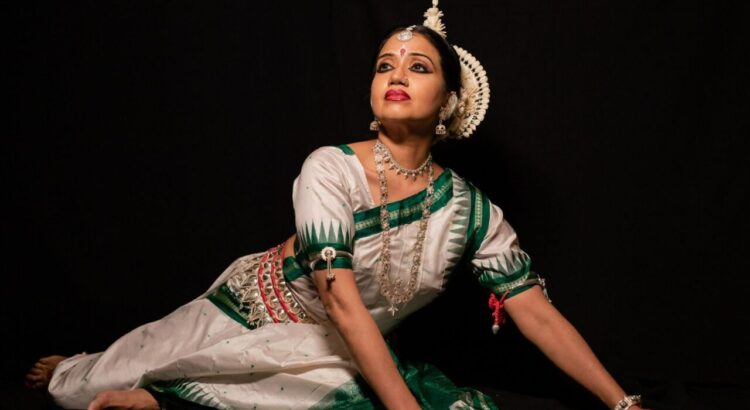
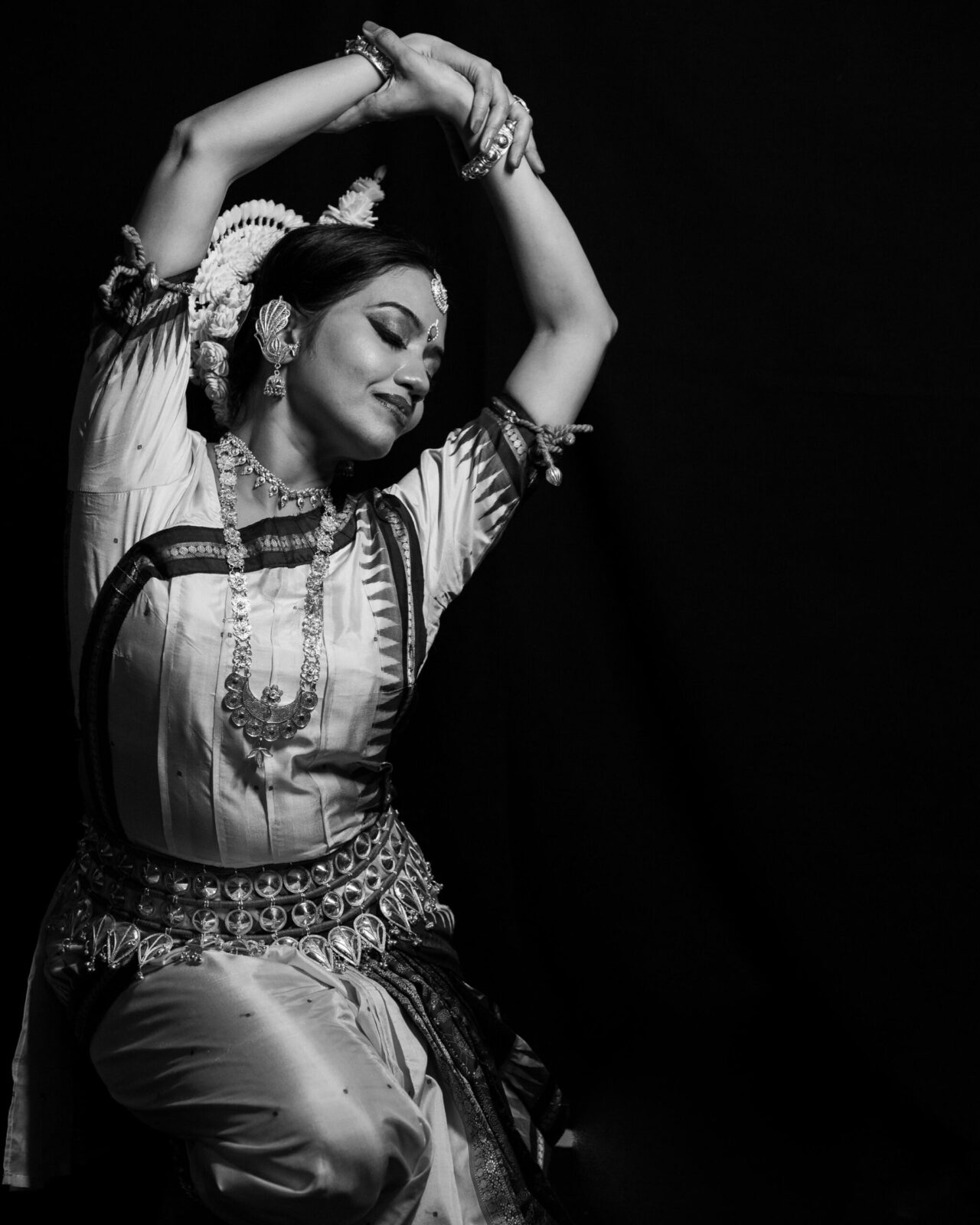
Dancer Sonali Mishra, born and raised in the US began training in Odissi in her early teens. She studied under Gurus Smt. Chitralekha Patnaik, Smt. Ellora Patnaik, and Sri Devraj Patnaik. Since 1995, she has trained in Odisha under Gurus such as Sri Ramesh Chandra Jena, Sri Bichitrananda Swain, and Smt. Aruna Mohanty, and in Los Angeles with Smt. Nandita Behera. At Srjan, she trained with Guru Smt. Sujata Mohapatra and Guru Sri Ratikant Mohapatra, and also receives guidance from Delhi-based Guru Smt. Kumkum Lal.

Sonali has participated in the ‘Navarasa Sadhana’ actor’s workshop with Guru G. Venu in Kerala and is trained in yoga by Sri Renjith Babu Choorakad in Chennai. She has performed widely across the US, UK, Canada, India, Europe, and Malaysia, and has conducted workshops globally. In 2014, she founded Global Rasika, an online magazine for Odissi dance discourse. After relocating to Odisha in 2011, she has continued her work and, since 2022, resides in Vrndavan. Interview with INDICA 

You have learned dance both outside India and in Odisha. How would you describe the difference? 

For me, I think cultural context was the main difference if I were to compare the learning process within and outside Odisha.  Learning Odissi in North America was primarily a one-way process of gaining knowledge from the Guru, especially in the pre-internet days. Training in Odisha, the cultural cradle of the art form, was a 24-7 fully immersive cultural experience.  

I first started learning Odissi before the time of internet, mobile phones, and social media. Odissi was a lesser-known style of dance in North America at the time, so teachers and institutions were few and far between. I would travel to Canada during school breaks for my dance studies at Chitralekha Odissi Dance Creations under Guru Smt. Chitralekha, Guru Smt. Ellora, and Guru Sri Devraj Patnaik. They were one of the earliest institutes in North America focusing exclusively on Odissi dance and music. The learning was truly an extraordinary experience because I was learning in what would have been considered a ‘modern-day Gurukul.’ I was truly blessed to have wonderful Gurus who ensured a very robust and holistic learning experience . 

However, in the US, resources to supplement the classroom learning were very scarce, with the exception of a few books and articles. There were also limited opportunities to witness live performances, as there were few Odissi artists who were touring North America back then.  Travel to India was also less frequent. So the learning process, while exciting, was still a challenge outside of the dance school. 

Learning in Odisha was very different because I was in the cultural cradle of the art form. Odissi is a dance form that goes beyond movement. It is an art that is very much rooted in the local culture, a unique amalgam of many different art traditions of Odisha: sculpture, painting, poetry, music and theatre. Our founding Gurus brilliantly captured a way of life through movement, which is why learning in Odisha was a cultural education that went beyond the classroom. Language, temple visits, food, dress, pujas and festivals, even the simplest of day-to-day interactions contributed to the cultural ethos which nourished the art and which was very much a part of the learning process. Being in Odisha also gave me the opportunity to be in the constant company of arts practitioners – from dance Gurus, to dance performers, musicians, writers, filmmakers.  So my experience learning in India was a full immersion of the art, culture and spirit of Odisha. 

You have learnt from multiple gurus. What does one seek in different teachers while learning Odissi?

In my personal experience, learning under multiple Gurus at different phases of my dance journey was inevitable with a career that has spanned over several decades. The transition between Gurus was very organic and the process quite seamless. I have been very blessed to have studied under some extraordinary artistes and thinkers, each of whom have made significant contributions to my growth and development as a dancer.  

What one seeks in a teacher largely depends on what they are seeking on this path and the phase in their respective journey. In my case, my goal has always been artistic enrichment, enhancing my skills, and evolving as a dancer. So keeping this in mind, my journey was shaped by a deeply rooted desire to learn and evolve. I sought teachers with the knowledge and experience who were willing to share the same.  Every individual has their own aspirations so they will seek something different. Some want teachers who will not only guide them on their path of artistic enrichment but who will also promote and provide professional opportunities for them. Some seek a famous teacher whose brand will endorse them professionally. Others may be looking for a welcoming and supportive teacher with whom them have a strong personal/emotional connection with while they navigate the vagaries of their artistic journey.  

It is a very personal decision, what to seek and from whom. These days it is not easy or even practical for a Guru or teacher to provide everything for the student. Also, not all students will realise what they are seeking so early on their journey, so it is a matter of destiny or cosmic connect for the Guru and Shishya to come together. 

You have also taken classes from Shri G Venu. How does his teaching add to your dance training? 

Venuji’s Navarasa Sadhana actor and dancer workshops have been one of the most unique and transformational journeys I have had as an artist. While I find it to be a deeply personal journey, I will do my best to share what could be relevant for others.

Venuji has meticulously crafted each phase of the Navarasa Sadhana workshops (there are 8 in total), in a way for artists to experience (and express) a wide range of emotions from the most extreme to the most subtle. I have had the opportunity to experience many states of emotion and expression that I most likely would not have had before.

Venuji’s workshops essentially frees the artist of their inhibitions, thus stripping them from the prettiness and ornamentation to allow the full experience of the innermost raw, core emotion. Dance artists can sometimes become bound by stylisation and technique, which can create a ‘prettiness trap,’ which overshadows the emotion, resulting in abhinaya that can appear contrived and caricatured. Navarasa Sadhana emancipates the artist from these various inhibitions in order to fully engage the core essence of the emotion and explore new interpretations of the character/situation they portray. The artist feels the emotion rather than performing it. The workshops are attended by a variety of arts practitioners: performance artists, writers, dancers and actors – this diversity of art practices within the group offers a very different perspective and further enriches the learning experience. 

In short, Navarasa Sadhana is an important training in how to emote honestly and authentically, rather than ‘performing’ the emotion. 

What has been your experience giving lec-dems to students abroad. What is it about our dance which draws them?

I have been fortunate to have had the opportunity to conduct lecture demonstrations extensively in the US and Europe for students, young school children, and seniors. The overall response has been very positive. I have found the experience as an educator very fulfilling and enriching, and I have learned a lot in the process. 

Audience engagement does not always extend beyond the stage during a performance, and workshops are designed for practising dance students who have an interest in and some working knowledge of the form. Lecture demonstrations are very effective in balancing the theoretical and practical aspects of dance for less-immersed students. They are a wonderful way to provide some cultural context and a framework for students and audiences to further understand what they are seeing and learning. So, lecture-demonstrations can go a long way in driving change in the dance ecosystem by changing the perception of how dance is expressed, practiced, understood, and supported to create a more inclusive dance community. 

There are many dimensions of Indian classical dance forms that are appealing to non-Indian audiences.  Generally speaking, I think the entire framework of Indian classical dance styles is very different from what is more commonly seen and understood in the Western mainstream (European/Western) dance forms /dance ecosystem. These differences – be it cultural values, movement, philosophy, presentation, music - definitely attract and move people. In my personal interactions, it is usually the spiritual aspect of classical dance as a form of offering, inner awakening, meditation in movement -  that people find most appealing. The Aharya is also very eye-catching: costumes, ornaments, elaborate headpieces and makeup give the artiste a ‘larger than life’ feel. Then there are the movement aesthetics: the use of a highly intricate and stylised dance vocabulary, abhinaya and pure dance aspects, the subtle intricacies of the dance, all of which are very captivating. In short, there are many dimensions of Indian classical dance forms that are appealing to culturally diverse audiences. 

Is it easy to research our dance traditions? How far back do we have records and what can we glean from them?

The level of difficulty really depends on what the student is researching. Historical research is always challenging, and it is always easy to get waylaid into false (yet logically consistent) narratives. These days, research topics are also changing, so it is not always historical research that students are seeking.  The dance field has evolved a lot over the past couple of decades, so the scope for research is endless. Moreover, there is funding available from national/international academic institutes and independent research bodies. From  a practical standpoint, the ecosystem is more enabling today for a committed researcher and there is a lot of opportunity to do impactful work. 

I cannot comment on the availability and accessibility of historical records for students to research, but I will say, probably unoriginally, that all research points to dance and music being an active part of our cultural/spiritual/religious life since time immemorial. 

You have learnt yoga too under a guru? How does yoga enhance the dance and is it necessary to do it additionally to dance? 

I started doing yoga in my late 30s, but it was not until later in my 40s during lockdown did I commit to a serious yoga and body conditioning class/practice under Bharatanatyam artiste/Yoga practitioner Sri Renjith Babu Choorakad (Rtmbhara Yoga). I have been incredibly fortunate to study with Renjithji not only because of his extensive knowledge of yoga, anatomy, and body mechanics, but also being an active performer, he understands the inner psychology of a dancer, which influences their habits during practice as well as during performance. Prior to my yoga practice, whatever morning pre-dance yoga/exercise routine I was doing earlier was at best cosmetic and less purposeful, resulting in having little, if any impact. I had reached a point where I was suffering from constant fatigue and minor injuries because of over practice. In the time I have been studying under Renjithji, my understanding of the body and approach to yoga and conditioning has been much more purposeful. His holistic approach to yoga and body conditioning required a lifestyle change – diet, sleep, exercise, and rest to keep the body (and mind) in a healthy state at all times. Working with Renjithji has also completely transformed my approach to practice and performance. 

The style of Odissi that I practice is one in which much of the energy is contained within, and not released outwards in high intensity movement. There is a lot of control in the body, which requires a lot of strength to execute. When I started practicing yoga regularly, one of the first things I noticed was an effortlessness in the movement, and increased energy levels – my daily practice sessions would no longer leave me feeling completely exhausted. In the last several years I have learned to be much kinder to the body, giving it proper rest and also taking the necessary care and precaution to manage through the minor injuries that flare up from time to time. 

Another less obvious yet very important benefit of yoga practice is the mental/ spiritual evolution. As teachers/performers, even in our day-to-day activities, our energy is constantly being exerted outward. Yoga is a wonderful way to still the mind, draw the energy inward and keep oneself centred. Through yoga practice we begin to see how the mind and body are connected. In times of stress, yoga has helped tremendously by releasing subtle tensions in the body that we may not even be aware of, to ease the mind and reach a state of calm.  

Overall yoga is an essential tool to nurture and rejuvenate the body and mind. It has been an integral part of my morning routine for the last several years and I highly recommend it for dancers at any stage in their respective careers. 

How does the music you choose connect to your dance. It is said dance is the physical expression of music. Is the Odissi musical repertoire changing? 

Odissi dance and music are inextricably interlinked, so whatever music I use, be it traditional choreography by our Gurus, or the Odissi items I create, remain in the Odissi style. While I am open to exploring different styles, my preference will always remain with Odissi music. The physicality of Odissi dance is so deeply enmeshed in the music, it is difficult for me to separate them. It is my personal view that the synergy with dance and hauntingly beautiful music is what makes this art form so beautiful and distinct. And like dance, Odissi music is very unique and requires years of earnest and consistent practice, to master the style.  

Odissi music possesses a rich history and tradition in itself. In my humble observation, while there are changes that happen with time to the music – from the types of technology available, to instrumentation, experiments have happened with music (and will continue in the future), as per the wishes of the dance artiste and composer. Odissi music gives the soul to Odissi dance. It remains to be seen how we maintain the core musicality and character of the dance in the future. As far as my Odissi sensibilities are concerned, more or less the musical repertoire in relation to dance, should remain in the framework of the Odissi style to maintain the overall ethos, character and identity of the dance form per se.

What are the ways you have got non-Indians to engage with Indian dance? 

As a solo performer, needless to say the main channel I use to engage non-Indians with our dance forms is through my dance itself. In addition to performing, I give classes, conduct workshops/lecture demonstrations, and information sharing via social media. I do a lot of writing/editing. Recently I have started to foray into choreography. I believe all of the above, (especially having been born, raised and educated in the West), will have an innate connection to the non-Indian psyche.  

From the very beginning of my dance career, my focus has always been  to enhance and enrich my abilities as an artist, and let the dance do the work. I have always believed in the power and timelessness of these art traditions, and I believe that if the artist is truly one of quality, they will be able to engage through the power of their work. The best artists I have witnessed were the ones fully committed to their craft, and deeply rooted to their art form and surrounding practices.  Their creative genius and greatness is the result of years of sadhana, there is an honesty to the intent of the emotion and the presentation which is the most important to me. I do not change content or create content that is ‘relevant’ to the times because I think relevance is very subjective. Rather I focus my energy and attention on practicing and creating work that I believe in artistically and personally rather than adapting to the sensibilities of the audience or the ‘market’.

In addition to my own artistic journey – I have worked on an online Quarterly, ‘Global Rasika’ to engage on a global level discourse in Odissi dance. This is a quarterly that aims to foster critical thinking and discourse and I am very happy to see the impact that this has had in discussions about Odissi and its future. My personal goal through the quarterly has been to engage with dancers, critics and dance enthusiasts and broaden the discourse within the dance ecosystem around individual themes. We have explored issues related to financial challenges of dance, the practice of Odissi in a changing global context, dance during Covid, and much more.  I have found this platform to be very helpful in engaging Odissi artists from all nationalities to share their thoughts and experiences. I am working on a massive relaunch of Global Rasika to address issues relevant to Odissi currently. I think post-Covid, a new culture of dance has emerged and I am looking forward to curating more discussions around the same. 

I also try to contribute to the dance ecosystem by leveraging the power of social media. I started  the ‘Global Odissi Network’ Facebook page for Odissi artists to share the work they are doing and connect with others.  I created this group to focus solely on information sharing so that dancers can find out about workshops, performances, publications, and classes in their part of the world.

In addition, I also partake in a lot of speaking engagements/lecture demonstrations/interviews. I think people find my profile a bit unusual– a second-generation (Odia) Odissi dancer born and raised in the US but settled in India, and that too Odisha (well, now Vrindavan), who has an academic background in policy and management. So I tend to have a unique perspective on things, which some find interesting. Lecture demonstrations, as I had mentioned before, are a means to educate and engage audiences. I try to make it a point to have conversations about the challenges of practicing this dance style in current times – issues of cultural appropriation, discrimination, cultural ‘colonization’ are some of the things that emerge in these discussions. For me, education and excellence have been the key to engage audiences without having to change the content or technical framework of the art form to be true to its source. 

Lately, I have been exploring the choreographic process, which has been very new and exciting for me. There is a very different kind of artistic fulfilment in creating work around new ideas and universal philosophies cutting across cultural/geographical barriers, especially those that have been anchor in my personal and spiritual journey. There is an altogether a different kind of joy when dance is the medium to foster understanding and raise awareness of these new concepts which are so dear to my heart. 

What are your areas of research interest? 

I have always been drawn to issues relating to cultural identity and how cultural practices – language, arts, spirituality/religion, food, contribute to expressing and maintaining said cultural identity. How are these identities protected and nurtured? To what forces are these identities vulnerable to?

In the early 2000s, much of my research was around the effect of globalization on traditional cultures/cultural industries sector. I have always had a sensitivity towards those art forms (and artists/artisans) on the verge of extinction because of lack of patronage. Art forms face pressures from the sensibilities of global audiences, the need to stay relevant, the need to have a critical mass of patrons, lack of funding, the list goes on. I have devoted many hours of research, written articles, and curated issues of Global Rasika on this issue. My personal view is that every art form is unique and has something significant to offer in its original form – however often the art forms either morph into something completely different or become extinct altogether because of different reasons. (Here are a couple of articles I have written for Global Rasika: Beyond the Stage: Redefining Arts Practice in Current Times – Global Rasika (wordpress.com), When Local Goes Global: Odissi’s Identity Crises – Global Rasika (wordpress.com )

In addition, I have also been keen to research arts practices of minority communities in the US cultural landscape.  I think this interest stems from having grown up a minority in the US. Despite the increased availability of funding to minority arts groups over the years, there is limited on the practices (and needs) of grassroots level minority arts groups. I think there remains a lot of work to be done to create a robust and inclusive cultural landscape in America where the arts of different communities receive the support they need to practise and showcase their art.

 Could you describe your experience living and dancing in Vrindavan? 

Vrindavan for me, is an immersion into Bhakti culture. For me, it is both novel (I was introduced to it a little over two years now) and refreshing. Philosophically and spiritually, it has given me a new anchor in life.  

We have re-organised our daily routine to participate and enjoy the beautiful and blessed offerings here:  visiting temples and leela sthalis, reading literature on Braj, Bhakti marg, sant sanga, weekly Vrindavan Parikrama, enjoying the local festivals (and many of them are celebrated with much joy and festivity). Interestingly, our core values, beliefs and aspirations have largely remained the same –  living in Vrindavan has only strengthened them. We are able to practice these core values peacefully, and thus our lives are more balanced and sustainable. While our professional commitments/aspirations have broadly remained the same, Vrindavan has infused our work with a new energy and momentum to do differently and better what we were trying to achieve earlier both materially and spiritually. 

As a dancer, living in Vrindavan has been a process of transformation to extricate oneself from the material side of the art, returning to the roots of dance as a devotional service for the Almighty. It is a world away from the dance that I have known and practiced for many years, where there is constant pressure for the artist to be seen, be relevant, create work that is out of the box, and where marketing and networking takes precedence over skill and artistry. The material side of dance can also breed an unhealthy narcissism that can be very toxic. Weary of the rat race, I had slowly taken a step back from the mainstream dance scene to create a path for myself. Living and dancing in Vrindavan has been a beautiful and unexpected surprise. I have been very blessed to offer my dance in some very sacred places in Braj. What is truly remarkable is the experience of shedding the ego - who I am, the years of experience, who I have trained with, where I have performed -  is completely irrelevant here. Once one’s mind and heart is clear of the muddiness of the ego, something very beautiful in the heart begins to blossom and that feeling of pure devotion and universal connectedness will emerge but in a way that reflects one’s true inner self. Being a dancer in Vrindavan is to de-emphasize, if not cast away completely, the ‘performance’ side of dance, which is not an easy thing to do. But under the right guidance of divine persons and saints, the right company of devotional artists, I began to understand how to exist in and enjoy the material side of dance without being dependent on or attached to its fruits for my happiness. This has been a very grounding experience. My artistic and spiritual journeys are intertwined in a way that they were not earlier, which has given me a lot of peace and far more fulfilment as a dancer. 

Life here is an ever-evolving journey. Every day brings a new dimension and change to our internal energies, thus driving change in our relationship with the world. I am happy to observe the changes within myself and I look forward to how this journey evolves. 

(Do visit Sonali Mishra's website https://www.sonalimishra.com/ to know more about her work.

Idea Of Kaal Helps Explain Cyclicality Of Indic Wisdom

Dr Rachana Bhangaonkar recently completed a project along with her doctoral student Anushree Gokhale - Anna He Poorna Brahma:  Sustainability in Traditional Food Ways and Eating Practices: A Retrospective Inquiry. Supported by Indica, Ms Gokhale has been a co-author in all the papers stemming from their project

In this interview Dr Bhangaonkar and Anushree talk about the findings of their study on the shift from regional cuisine to pan-Indian buffet outside the home while continuing to eat sustainable, regional cuisines at home. They also talk about how traditional knowledge is shared, imparted and at times questioned during transmission.

Often when studied through the Western lens, tradition is portrayed as something which is imposed on the next generation, not gifted. If tradition is viewed as something oppressive, it becomes easier to draw people away from their heritage and impose an outside view. How would this be interpreted in terms of the shift from right eating to buffets?

In our experience, the idea of heritage, culture or tradition was always explained by the participants of our study as something "co-created". Our participants were elderly members of two Indian communities, all above 60 years. Their experiences around food (which was the focus of our project) were always contextualized. So they would explain why some shifts happened when they were young, by explaining factors from the context (pragmatics, rationing of food, introduction of new gadgets etc.). They did not experience tradition or modernity as something that "had to be done" as an imposition. They saw the shift to buffet dinners also as a pragmatic choice, because people don't have time now. They were more concerned about the homogenization of the buffet menu (that was becoming the same in every wedding!) as compared to the past when regional, communal and religious factors played a stronger role. So the shift was less as a response to the oppressive mindset. The right eating habits by and large, were retained as a routine in homes....whereas buffets were occasional.

Could you talk briefly about the findings of your study in the context of the above questions? 

First of all, we are very thankful to Indica for providing the financial support for the study.

The findings of the study can be broadly divided into three parts:

  1. Context of eating
  2. What people eat and when?
  3. Values associated with food and changes over time in #1 & 2

All three aspects were fluid and contextualized when elderly participants narrated their "food memories" to us from their childhood to the present. We covered roughly 50-60 years of time through their memories. The most important finding was the reference to several values associated with food like how food was purnabrahma or had guna like tamasic or sattvic qualities. The karmic influences of food were mentioned, so were the values of santosh (satiety, satisfaction) and ananda (bliss) in eating together. Similarly, fasting and feasting both were celebrated very purposefully at different times of the year. Many sustainable practices of cooking, upcycling food, eating local and seasonal foods and not wasting food were emphasized across households. We could also document some recipes that were handed down to our participants by their families over generations. Lastly, we have case studies of 2-3 very old, commercial organizations in Vadodara that are famous for catering traditional foods to specific communities. The push and pull of market forces over time were evident in these case studies. The study uncovered various aspects of Indic foodways that remain largely untapped, making the study replicable in different parts of India.

You mentioned in a recent talk that rather than forcing people to be immersed in traditional knowledge in a rigid curriculum, a more voluntary, free approach works better in integrating several value systems. What are some other mistakes made by well-meaning people who are striving to spread indigenous and traditional wisdom?

If someone is well meaning, they will strive for something only after some scrutiny and planning. It might just be that they have a limited perspective or limited means, so each of us is at a different standpoint in our own journey based on previous experiences. The important part is that we need to remain open minded and non violent in protecting and propagating traditional wisdom. Rigidity of any sort, will be interpreted as a "bandhan" in everyday parlance by an average Indian. To grow or develop to one's full potential; we need to transcend all kinds of "bandhan"....that is, movement towards mukti. True knowledge, as is well known, liberates. So, a regenerative (I am purposely not using the term sustainable here!) approach to nurturing traditional wisdom means to start with observing and documenting our lived realities, without excluding anyone....Our lived realities are culturally embedded in a composite culture, we cannot deny that.....our lived reality is not a monochrome, thank god! It doesn't consist of only some rituals and shlokas or only some languages....although these aspects are very important in certain contexts and on some occasions. We must be very conscious of including diversity and common threads that constitute our lived realities in India. These factors have been responsible for sustaining order, multiplicity and harmony for many centuries because there is a certain civilizational wisdom supported by a variety of practices, making it available to even common people....our culture has survived like no other, in spite of every colonizing force.

For example, irrespective of the social identities or communities of origin, regional food practices were influenced by seasons. Every Indian child is multilingual, that is, knows or is exposed to more than one language, isn't it!? Similarly, in the case of bhakti, can we afford to only focus on classical forms leaving out oral and folk forms like Abhangas, Dohas, Duha Chand (Kathiawad) etc.? Every region, every family has so much traditional knowledge to offer, in every sphere, especially in the rural and remote areas....we must just encourage young people to document these aspects well using the latest technology. This will introduce them to traditional knowledge - first hand. Textbooks alone cannot capture what India has to offer....they cannot and should not thus become a "bandhan".

If Western civilization has had one enduring tradition, it is that of breaking and questioning tradition. On the other hand, Eastern societies are often viewed as more static. Is this a misconception? Is this stagnation less a character of Indic thought and more a result of the Eurocentricity of the concept of 'modernization'?

Most Eastern societies have given holistic wisdom frameworks to understand life in a cosmic context - be it Dharma, Ikigai, Zen....And what we find fascinating is their in-depth, curious examination of time (samay, kaal). This child-like yet profound engagement with the concept of time has been exceptional in eastern cultures. They have understood both time and timelessness....thus there is very little encouragement to linearity and duality in thought, action etc. The kaal chakra is cyclical, continuous, what goes up, comes down....it is natural law.....so all our questions also must be open, non-dual such that answers can have infinite applicability...Thus, questions of being static vs fluid, stagnation vs progress may not be very appealing to the Indian mind.

For example, food was once abundant, followed by famines during colonization, which forced us to take some grave measures to combat hunger, now we are going back to millets and local foods.....So isn't coming back to tradition progress in this case? Foods that are now called "super foods" were a part of our traditional diet, but were wiped away due to a variety of factors. We are now discovering the value of many local super foods. So, without bothering about Eurocentricity, we must have a razor sharp focus on understanding what is our own, how will this indigenous knowledge support our health and wellbeing in contemporary times? How will it empower us to contribute to the global landscape constructively? Unless we leave Eurocentricity as a thing of the past, it will never leave us.

Progress and development are often represented as a straight line, a journey from A to B, as you stated. Has this contributed to an indiscriminate rejection of tradition, the idea that something that is before is wrong and something that is after is correct? How can we address this in terms of dietary fads and modern food choices?

In continuation to my previous answer, fortunately tradition was not completely rejected, ever. It was always resilient in its tatva (essence), enough to co-exist with whatever influences came along....Having said that, what we are calling "tradition" is also not set in stone, it is not fixed forever....it has evolved over time, over eras....each era presenting its own set of constraints and contextual influences. We do not still have adequate information, evidences to understand how and why forms, practices and symbols changed so much....so we must be careful as to what exactly are we referring to when we say tradition.

In terms of dietary fads, we are actually progressing by going back to traditional food practices and foods as well. There are so many popular pages on YouTube and social media that show "village foods" or grandmothers and grandchildren cooking together to preserve family recipes. So, there is a good understanding that modern food choices are not healthy, even if they are tasty. They also will not be able to completely replace home cooked foods, ever. The bigger threat to home-cooked foods is ultra-processed ingredients that promise time-saving, nutrient-saving qualities and are marketed as such.

To a generation that has been brought up to question the status quo, tradition is often viewed as a burden. Just as 'modernization' has myriad colonial and Eurocentric implications, has the word tradition itself become too laden with subtexts of antiquity and being 'old-fashioned' or 'outdated'? Is there a need to develop a new vocabulary not just to describe Indic concepts but also the way that the past and the present is spoken about?

Every generation is a thinking generation. We must approach them with that trust. The previous generation's way of life is not emulated because either the next generation is convinced that it is not worth emulating or there is inadequate trust between generations about methods that lead to desirable outcomes. But, we often forget the context and the pace of change here. Past or present or future, it is of our own making and often a result of our own misgivings....so we must fully embrace it without judgement and own it. Unless we own it, we will not feel the need to understand it honestly and critically - "as it is" - however hurtful or pride-worthy that may be. Our inquiries are sharpened if we approach it like this.

In contemporary times, a new vocabulary will have to be "marketed" in a capitalistic system, isn't it?? Do we want to get into that rat race, knowing everything? OR should we focus on correctly understanding what Indic concepts are and mainstream them on the basis of that understanding. The new vocabulary will not solve the understanding problem (this will need hard work!), rather it will complicate it because now, we can make new vocabulary "viral" and accessible to everyone in no time....but it will inadvertently so, promote an empty use of the terms that they are not backed by full understanding. This doesn't seem a worthwhile risk at this point when we are still struggling with mainstreaming issues.

In the passing on of knowledge and tradition, Western viewpoint or not, there is actually often a lot of force involved. Has our society been straying from the actual self-realization and fulfilment that dharma is? In a response to Western attacks of tradition, has there become a self-fulfilling prophecy of sorts where in order to preserve tradition that is being rejected, the tradition is now being imposed?

Yes, this indeed sometimes seems like a catch-22 situation.

In any era, why should one follow Dharma? It is so that dharma can guide action, to achieve the personal and collective goals of Mukti or ultimately, Moksha. This process of constant self refinement and evolution of consciousness has a prerequisite and that is, ruthless, meditative self inquiry. Without this, there is no dharma, no mukti. So whatever our frame of reference, we must ask ourselves - is this restrictive or liberating in the real sense, for me or for all involved? Should I blindly follow rituals or should I do something novel that will ensure everyone's wellbeing? How can I navigate this? Should I work from a place of fear or from a place of love and compassion for greater good?

Today we have the means to scale things up, but will scaling up solve problems or will we end up creating more problems? For example, the hyper commercialization of Ganapati festival (or any other, for that matter) leads to noise pollution, traffic jams, overcrowding and other avoidable problems that negatively impact the environment and quality of life. Should we not step back and think of descaling it or managing it more intelligently? Are we not enslaved by the capitalistic, exploitative principle here through hyper commercialization? How does this behavior align with Indic principles?

Let us not lose the tatva behind the practice if we want the younger generation to appreciate and follow it for a long time to come. We must understand the constant dynamism of person, culture and context to interpret change.

The Role Of Diaspora In Reimagining Indic World

Soundarajan Narendran has his head full of data about the Indian Diaspora, whose contribution to the world he believes has to be documented and acknowledged. He believes that understanding Vishwa Bharatiya network helps in reimagining the Indic world from a very different model. In this interview he talks about how he has collected information about Indian abroad and how this information can help bring about change.

How did your interest in data science translate into interest in collating information on Indian diaspora which is a topic of international level challenges and excitement?

As a professional data sciences expert, I spent a long time in business data analytics , using data to solve business and everyday problems. Having been in business and consulting it was natural to look for “information to insights” in many aspects of life endeavours.

When I started working with overseas Indians, I saw there were very successful professionals, entrepreneurs, technocrats, investors, etc in so many countries contributing richly to their adopted countries, however I found a sense of collectivism was missing among the diaspora when the focus was on Bharat and themselves.

There are social, cultural and trade groups which are very local in nature and are at best trying to recreate an extended Bharat in their communities. Once I started meeting similar diaspora groups across many such countries, I realised they all were small groups in local communities trying to build a mini Bharat outside in their own way.

This lead to my thinking that Bharat is not this piece of land as we see on a map, but it’s a collective sense of Bharatiya tatva of all Indian origin people residing across all parts of the world.

This followed the actual data collection and sizing of our Diaspora in multiple dimensions.

In Colombo

When we talk about Diaspora, it is also useful to learn about migration trends. What are your thoughts on pre-independence, independence and post-independence migration? How are the disciplines that deal with migration (demography, economics, law, sociology and politics) different in each of these streams?

The human tribe has been moving about exploring new and better terrains in search of food and safety for millions of years. Anthropologists claim migration started even before the modern human era.

In the case of Bharat and her history we can look at migration in five phases:

  • Expansionist kingdoms i.e. Cholas to South East Asia, Satavahanas, Guptas to Central Asia etc
  • Spiritual expansionism, Buddhism and Saivism etc towards Central and east Asia
  • Colonial slave labour, sugarcane farmers and other slave trade migration
  • War migration, World Wars displaced Indian warrior class across Asian sub continent
  • Post independence relocation, migration for better education and economics

The sociology of each phase is different, the historical progression of each of these diaspora over many many generations is unique to the history of the world, it is talked about very less, and much less tracked with data and its value. To understand the true “Viswa Bharatiya” is to go beyond language, culture, trade, commerce identity citizenry and to re-imagine the society in a non-western view.

For example trade associations and linguistic groups are easier to assimilate and serve a limited purpose. This resembles the Spanish speaking and French speaking Canada which have a shallow external identity. Even religious groups have limitations separating them from the rest with reference to a corresponding geographical context.

The challenge is to draw a much bigger line beyond externalities. Scientific and philosophical orientation provides the answer. The essence of Bharat and Bharatiya conscious is an overarching system to find the cause to effects of today’s issues human society faces. We can call it Sanatanics for want of a better word. It encompasses economics, social sciences, politics, civics and the endeavour of modern society.

As of today, is there reliable, updated and comparative information available on Indian migration?

The true Indian diaspora has a network of USD 11.4 trillion spread across 92 countries.

There exists no published data or a formal compilation of the diaspora , the OCI / PIO covers less than 15% of true Viswa Bharatiya population. Much was written about the diaspora mostly referring to the CIO / PIO world though.

In Moscow

How can migration and diaspora studies help in standardising concepts and instruments of identity, that allow for aggregation and comparison. Could you share your statistics on the sheer volume of migration and related economic activity we are considering?

Understanding Vishwa Bharatiya network helps in reimagining the Indic world from a very different model.

The market value or the economic size of the Indian diaspora is $ 11.4 trillion, spread across 92 countries. We have 1,274 trade and cultural institutions, there are 5400 CAs / CPA boutique consulting firms, Indian origins lawyers operating in over 52 countries. We have politicians in over 36 countries.

With the date collected by me, geography wise, region wise, professionals, doctors, scientists, technocrats, lawyers , investors, politicians, senior members of global institutions, members of world bodies, entrepreneurs, inventors social workers and non for profits can be tabulated.

Metrics such as growth rates in population, economic progress, market cap per capita can also be complied.

You have mentioned that legal and political understanding of diaspora status is different from the social understanding. Could you explain?

Political representation is hard power whereas the socio cultural ethnic impact is soft power, which has a way more influence in the society, provided it’s created as a single global conscious entity (tatva).


In Rome

What is the link between Diaspora and Development? How can your work help to understand the immense contribution as well as stake of the Indian community in different countries? 

The Viswa Bharatiya has deep impact in today’s respective foreign societies, the economic might if pruned well has potential to develop as a powerful financial institution, much like Norfund or Stanchart bank.

More importantly the diaspora networks contribution to a multi-polar world, sustainability, human values, evolution of culture and shaping the future of social anthropology is immense.

Our philosophies like - I’m never born and never die, Aham bhrama asmi, Jagat Ishwara Swaroopam - which are hard wired into our subconscious – offer the answer to the issues causing global crisis today like hyper materialism, hyper individualism, monopolistic capitalism, gender crisis, climate change, war and conflicts. There’s a need to activate the diaspora to become change makers and truly serve/heal the issues faced by humans across the globe.

While scientific, economic and professional efforts are served well, however a sense of collectivism would harness and multiply the same in much more powerful ways, for example if top 10% of wealthy Indians stash away 10% of their annual profits in a kitty, we could be among the top ten banks in the world in 5 years. Many such possibilities are open in economic and social collectivism. This much larger soft power is a cure and a way forward to much of the crisis humanity is facing today.

By collating, categorising and interpreting diaspora data how can we relate it to how the diaspora can help in the development of their home country?

India doesn’t need any help. The diaspora has little role in developing Bharat, ofcourse many efforts are being made by government as well as non-governmental organisations but the mindset has to change from India needs help to  our time has come,” in terms of the much larger scope of possibilities in building global institutions and high impact public policies across continents.

What has been the Indian strategy of engaging with diaspora and what further actions would you recommend?

The diaspora work is beyond any government and it’s not its mandate to look at diaspora. Some symbolic efforts like NRI conferences and events do take place but it’s a work of non-governmental institutions, India ofcourse do not have such institutions today.

Could you share anecdotes which have shaped your interest in collating this huge amount of data. What do you think is missing in the way we use this data.

For instance in religion, there are infinite varieties and Sanatana Dharma has transformed into many many variants. In Fiji Solomon Islands they practice Indic Athesim, no God but you are God yourself. In Surinam, they worship Karthikeya as a black-brown race man smoking cigars as their deity.

In terms of celebrations and festivals - Diwali, Navratri, Janmashtami, new year, Bollywood nights, music concerts continue to dominate the diaspora’s activities.

Additionally, there are more than 1200 social groups like TANA, AKKA, Vivekananda Seva Samaj, Seva International etc, they do charitable work and build camaraderie among groups and families, by far the most successful however it could be leveraged for much higher vision in future.

Trade forums including Indo Canada Foundation, Singapore India Chamber of Commerce etc - they are business facilitation bodies and provide enabling business support among small businesses to get market access.

Gurus - many Indian gurus have established major learning or yoga practise centers across the world, their objective is specific to teaching their curriculam and invariably their service agenda is driven by a spiritual head.

Learning The Heritage Of Ideas By Humanising Science

Fulbright Specialist Dr Alok Kumar will be spending the next year travelling around India, Sri Lanka, Thailand, Cambodia, and other countries with large Indian migrants (for example, Fiji, Mauritius, South Africa, or Caribbean) to study multiculturalism in the Sciences, especially with a focus on Indian Sciences. Dr Alok believes that while the most powerful nations define their own history and legacy with utmost care, India’s legacy was defined in the ivory towers of the West, creating serious distortions and gaps in our history. His work is an attempt to bring the works of Aryabhata, Kanada, Varahmihir, Brahmgupta, Charaka, and Susruta to mainstream science and be a valuable part of the scientific corpus.

Dr Alok believes the multicultural approach is “to humanize science, to grasp and respect for the ideas and opinions of others. We learn the heritage of ideas, of how we came to think the way we do.  Cultures evolve through the process of innovation. By respecting the plurality of ethnic and cultural lifestyles, and permitting them to flourish, cultures may expand the base of alternatives from which they can draw in responding to new conditions and new problems.”

What drew you towards a more multicultural approach to the sciences than the one taught in most schools, that is typically Eurocentric and dismisses anything that is not 'modern'?

I was raised in a Hindu Brahmin family in Haridwar, Uttarakhand, in Bharat, a holy city recognized for philosophy, religion, mysticism, and Ganga river.   As a child, I was made aware of a long and glorified intellectual tradition of the Hindus by my parents.  However, I was not aware of some specific examples of this tradition in science.  After I started to pursue a career in science, I tried to learn the details of this tradition in my college and university education in Bharat.  My education was not of much help to me to learn about my own roots, traditions, and culture.  I was taught about Democritus, Archimedes, and Newton, to name a few.  However, I did not learn much about Kanada, Aryabhata, Susruta, Caraka, and Brahmgupta.  The nearby academic libraries were not useful either since they did not have related books.  I wondered why Bharat was known as a golden bird (sone ki Chidya) without much contribution to science and technology.  Afterall, science and technology are tools for prosperity for any nation.

After I migrated to America more than four decades ago, I continued with my quest and, eventually, found excellent library facilities where I could read books on Hindu sciences and other related topics.  I soon discovered that popular science textbooks do not provide complete accounts and are mostly Eurocentric.

Science evolves out of human necessities.  Most civilizations in the past have found material benefits and intellectual satisfaction in attempting to understand the world’s physical and biological phenomena and mysteries. Each civilization may have a distinctive method of recognizing, approaching, and transmitting knowledge in science and technology.  This started my journey to study multiculturalism in science and I shared my findings with the academic and public communities.  I am pleased to have published four books on related topics.  This journey to study multiculturalism in science still continues.

Science is multicultural in nature.  Science does not belong to one particular culture or gender; it belongs to all who want to unfold the mysteries of nature.  Modern science certainly did not spring into a completely evolved form suddenly with the Renaissance in Europe, as portrayed in many science texts.  Influences came from various parts of the world like streams from many different sources join to form a river.

This study also made me aware of why my parents often talked about Bharat’s intellectual traditions and economic prosperity of the past.


In the books you have authored and co-authored, you have covered an astonishing variety of not only cultures from the ancient Hindus to the Arabs, but also the sciences they studied. Is there an area that you are particularly interested in covering in future publications that you haven't explored yet?

Modern science and medicine would be unrecognizable, and far more primitive, without the immense contribution of the ancient Hindus. They invented everyday essentials such as our base-ten number system, with place-value notations, and zero as a numeral. The ancient Hindus also developed a sophisticated system of medicine with its mind-body approach known as Ayurveda; detailed anatomical and surgical knowledge of the human body, including cataract surgery and the so-called plastic surgery; metallurgical methods of extraction and purification of metals, including the so-called Damascus blade; knowledge of various constellations and planetary motions that was good enough to assign motion to the Earth; and the science of self-improvement popularly known as yoga.  I have already covered these topics in my books.  However, I am so fortunate to be born in a culture that has contributed so much more to sciences.  Therefore, the topics listed above are only the tip of an iceberg, as the phrase goes.  The list of topics that I would like to write about is long.  Let me share my immediate project.  I plan to write about the scientific temper in Hindu society and details of the transmission of Hindu science to the Middle East, China, Cambodia, Indonesia, and Europe.

Great scientists even of the recent age, such as Schrodinger and Einstein, have acknowledged the contributions of ancient Hindu sciences to their work. Even so, do you find a general disregard for the thinking and contribution of other cultures in the Western scientific community? Has this been improving of late?

Yes, fortunately such recognitions of Hindu sciences are slowly improving in academia.  The same is true for the scientific contributions of other cultures too.

Albert Einstein, Erwin Schrodinger, Robert Oppenheimer, Ralph Waldo Emerson, Johann Wolfgang von Goethe, Carl Jung, Brian Josephson, and Henry David Thoreau are some western scholars who acknowledged the profoundness of Hindu literature in science, technology, or philosophy.   Hindu contributions to these disciplines played an important role in the growth of the West.  Wilhelm Halbfass (1940 = 2000), a German Indologist who taught in the University of Pennsylvania, USA, aptly accepted this indebtedness and wrote the following in his popular book, India in Europe: “India has had a significant impact upon the manner in which Europe has articulated, defined, and questioned itself and its fundamental and symptomatic concepts of theory, science and philosophy.”

Let me share about a stumbling block that is hurting Bharat in its global recognition.  Most powerful nations define their own history and legacy with utmost care.  They attract the best brains and place them in their ivory towers to define the nation's history and legacy.  Universities at Cambridge, Oxford, New York, Paris, Moscow, and Berlin, to name a few, have played this role effectively for their own country.  No such effort was ever made in Bharat.  In our case, our legacy was defined in the ivory towers of the West.  This has created serious distortions and gaps in our history.  The works of Aryabhata, Kanada, Varahmihir, Brahmgupta, Charaka, and Susruta are certainly par excellence.  Their contributions must be a part of the scientific corpus.  However, it is still not the case.


While studying the sciences of so many ancient cultures, have you found common threads running through them? Which if any analogous and parallel developments particularly interest you?

There are so many common threads among ancient cultures that one can easily write a whole book.  Let me mention two threads that are interesting to me.  First is the transmission of knowledge from one culture to another, setting science as multicultural.  Let me explain this issue with examples from Bharat.

We live on a small planet. The planet Earth, the third planet from the Sun, has an equatorial radius of 6378 km and the polar radius of 6357 km.  This tells us that we live on a small planet.  We can easily go from one place to another on earth’s surface using modern technologies.  Even during the ancient period, such travels did happen commonly by determined people.  Alexander the Great traveled all the way from Greece to Egypt, Babylon, Persia, and India with his army to capture these lands. When a whole army could travel far distances under hostile conditions of natural obstructions and enemies, a lone philosopher with resources, determination and time at hand could accomplish similar feats.  The travels of many Greek philosophers such as Pythagoras, Thales, Plato, Anaxagoras, and Democritus are known to us.  What is not popularly known are the travels of Chinese and the Middle Eastern scholars to Bharat for learning.  Al-Biruni, Al-Khwarizmi, Ibn Labban, al-Fazari, al-Masudi, and Al-Uqlidisi, Islamic scholars from the Middle East, visited or studied Hindu literature in science and technology while the Chinese scholars, such as Fa-Hien, Hiuen Tsang, and I-tsing, visited Bharat for an extended period for learning.  Also, equally unknown are the travels of scholars from Bharat to China and the Middle East for teaching.   Kumarajiva (344–413 CE), a monk from Bharat went to China to translate Sanskrit texts into Chinese.  Emperor Fu Jian (337–385), the third ruler of the Former Qin Dynasty, asked his general to attack the Kucha (modern Xinjiang region in China) region, where Kumarjiva lived, to bring him to Chang’an, Fu Jian’s capital.  This is an example where a war was fought to control a Bhartiya scholar.  China provides an example where a nation adopted a foreign religion of Bharat without any atrocity or coercion.  Hindus changed the hearts of people by setting examples for them. As a result, China, Japan, and South Korea have a large Buddhist population today.

Let me share about the second common thread. Damascus, Baghdad, Cordoba, and Alexandria were great intellectual centers of the past.  They all used multicultural approaches to science and to other areas of learning. Damascus and Baghdad became prominent intellectual centers when they invited Greek, Indian, and Persian scholars. Similarly, Spain became a center of learning from the eighth to the eleventh centuries because it also attracted scholars from all over the world. In modern times, America is greatly enriched from scholars of global origins.

Some of these centers eventually declined when scholars and their works were judged on ill-conceived grounds (race, gender, and culture) rather than on merit. Such declines occurred in the Middle East, Spain, Alexandria, India, Germany and in the Mesoamericas. We must learn a lesson from these failures in history.

What is the key importance of cross-cultural collaboration and discourse in the progress of both science and society?

Some aspects related to this question are covered in my answer to the previous question.

A new free market global economy is becoming a model for most nations, which in turn is causing the globalization of cultures and customs. This is resulting in mass migration of people and a change in the demography of some nations.  This brings a multitude of new opportunities to these countries; this brings a multitude of problems too. These problems arise due to their diverse race, culture, and perspectives.

Society in these countries remains fragmented in some cases.  People do not learn about each other and do not tolerate differing views. This is somewhat easy to understand if we evaluate our own life.  Some of us did not get along with our brothers and sisters as a child.  We fought for toys, food, or attention. As adults, some people divorce their spouses when differences erupt. With this mindset, how can I accept a person in our lives who I don't even know about?

We can coexist in differences when we respect each other. Respect and appreciation of the achievements of others create a much more solid foundation for the stability of a diverse society. The sense of respect and appreciation for others comes from knowing about them, knowing the common elements between them and us, and knowing their relevance to us. We are all so connected with each other in this global economy that isolationism is antithetical. The ancient Hindus knew this when they defined the whole world as one family (Vasudhaiva Kutumbakam). This is often the primary motivation underlying the recent push for the establishment of university courses that have a multicultural component. Afterall, knowledge is the soul of a democracy.

One consequence of the multicultural approach is thus to humanize science, to grasp and respect for the ideas and opinions of others. We learn the heritage of ideas, of how we came to think the way we do.  Cultures evolve through the process of innovation. By respecting the plurality of ethnic and cultural lifestyles, and permitting them to flourish, cultures may expand the base of alternatives from which they can draw in responding to new conditions and new problems.

What is one common misconception about ancient sciences in pop culture that you would like to correct?

I am often asked about the relevance of history.  Questioners generally see no relevance of history in our modern world.  Afterall, in history, we deal with the past that is now gone.  There is no reason to cling to our past.  Why should I know about ancient sciences or ancient history?  These are valid questions and let me share my thoughts on this issue.

Just like a human being needs to have memory to function day to day, a nation needs to know its history.  Otherwise, you keep repeating the same mistakes again and again.  Can you function effectively with your intellect intact and memory gone? You will keep reinventing a wheel again and again, as the phrase goes.  The same is true for a nation.  This is the prime reason why most nations put so much effort into defining their histories.

The history of science is not the history of events; it is the history of culture, intents, and a history of human minds.  It tells us how we as a culture recognized issues that were crucial to us and resolved them.  Such knowledge is important in dealing with the unknown future that is waiting for us.  Knowing what we were in the past helps us to understand what we are in the present, and who we will be in the future. If you don’t know your history, then you are like a limb that doesn’t know it is part of a tree.

Further, all countries celebrate their great heroes, including the great scientific and mathematical minds of the past and present. Greece had Aristotle and Socrates, Italy had Galileo and Leonardo Fibonacci, England had Maxell and Newton, France had Laplace and Fourier, and Bharat had Kanada and Aryabhata, showing that the greatest minds of the ancient Hindus could be a match for the world’s best scientists and mathematicians.  Just imagine erasing the name of Pythagoras, Aristotle, and Plato from the current Greek philosophy texts because it is an old past and, therefore, irrelevant. Will it be just and fair?  The answer is a clear and emphatic “no”.  This is exactly the case when we ignore our own heroes in Bharat unjustly.

Could you share how Science in Ancient India was connected through Sanskrit to our other traditions.  For instance Astronomy to philosophy, Ayurveda and Yoga.

Let me slightly drift from your question to share an important fact about India before I answer your question.  Most early Indologists realized that Sanskrit language was the source of all the spoken dialects of India, as Sir Monier Monier-Williams suggested.  Also, they realized that Sanskrit was the “only safe guide to the intricacies and contradictions of Hinduism, the one bond of sympathy, which, like an electric chain, connects Hindus of opposite characters in every district of India,” as Monier-Williams suggested. Many of these foreign experts of Sanskrit had an agenda; they wanted to Christinize and colonize Bharat.  They did succeed in one mission and failed in the other. Max Muller, Professor of Comparative Philology and Monier-Williams, Boden Professor of Sanskrit, both at Oxford University, translated Sanskrit texts into English, and used their resources to assist missionaries to Christianize India. Monier-Williams even candidly wrote that the purpose of translation was to aid in "the conversion of the natives of India to the Christian religion.”

The connection between religion and science in Hindu literature is another interesting aspect where the Sanskrit language played an important role.  The literature, scientific as well as non-scientific, of the Hindus was compiled in Sanskrit in poetic verses.  It was done to assist memorization of texts and some basic features of the Sanskrit language made possible.  Therefore, despite the destruction of libraries in the Bhartiya peninsula after the Islamic invasion, their knowledge was salvaged to some extent. The disciplines of astronomy, mathematics, chemistry, physics, yoga, and medicine were all practiced to meet the needs of religion, as well as to fulfill natural curiosity.

I-tsing (also known as Yijing, 635–713), a Chinese traveler who visited India, was impressed when he met people who could recite hundreds of thousands of verses of Vedas. "The Vedas have been handed down from mouth to mouth, not transcribed on paper or leaves. In every generation there exist some intelligent Brahmans who can recite 100,000 verses … This is far from being a myth, for I myself have met such men," wrote I-tsing.

Devrishi Narada, in Chandogya Upanishad, considered astronomy and mathematics relevant to achieve liberation (Moksa).  Aryabhata, in his book Aryabhatiya, considers astronomy, mathematics, physics and other sciences crucial to know about God.  Since science was a prescription to moksa, it became imperative for scientists to find true knowledge.  Thus, science could grow independently and scientists could investigate whatever they deemed fit.

Why do Aryabhata consider astronomy, mathematics or physics as tools for moksa?  This is an interesting question that needs to be investigated.

We can learn about the creator based on our study of the creation.  This is the only way out.  Thinkers throughout human history observed, experimented, and contemplated about the universe around us—the creation.  Investigation of creation is a part of science.  Our observance gave us the clue of regularity and harmony of the universe.  It is the study of this creation that led us to believe in the creator.  Thus, mathematics, astronomy, geometry, physics, and medicine were all considered sacred sciences throughout the ancient and medieval periods in Bharat.  No wonder science was bound to prosper in Bharat.

People studied science to understand religion globally. For example, Newton in England, Aryabhata in India, and al-Biruni in the Middle East did just that. In my mind, a religious country naturally must have a large number of scientists and technologists. This, in turn, should lead them to prosperity and power.  Since a study of creation is essential to know about the creator, Albert Einstein appropriately wrote the following: “A contemporary has said, not unjustly, that in this materialistic age of ours the serious scientific workers are the only profoundly religious people.”

When The Music Starts To Heal

Acharya Ratna vidushi Rajam Shanker combines her love for science and Carnatic classical music in her music therapy. She is a Sangeeta Alankara with distinction from Akhil Bharatiya Gandharva Mahavidyalaya, the National Music University. She also hold a master’s degree in Vedic Astrology, which she employs as a medical diagnostic tool.

For the last two plus decades she has helped treat clients for a variety of concerns from mood management to mental and developmental disabilities through Indian classical ragas from Carnatic music. She has authored “The Healing Powers of Indian Ragas” which provides lucid details on the practice of her craft. Another book with more Ragas is underway. In this interview she talks about her journey as a music therapist.

What inspired you to become a Music Therapist, and what do you find most rewarding about your work?

I was initiated into the practice of Indian traditional music therapy in 1996 by my mentor and Guru, Sangeetha Mahamahopadhyaya late Sri Kollegal R Subramanyam, the eminent Vaggeyakara, lyricist, musician and musicologist.  Before this I was an instructor, moderator and music examiner for senior level assessments, tutoring students between the ages of 5 and 65, for more than four decades

Over the years I have associated with individuals and institutions in Hyderabad, Chennai,Bangalore, Mumbai and New Delhi dealing specifically with Autism and related developmental disabilities in children and adults, Healing, and Curative Education.  I have collaborated with medical and rehabilitation professionals in the employment of Indian Classical Music in Music Therapy, and this work has shown perceivably positive, and clinically validated results in treating children and adults over a range of medical and developmental disabilities. Therapists from other disciplines, both India and overseas, have shown keen interest in my group intervention techniques and client specific interventions.

Currently I enjoy working with senior citizens through group classes and individual sessions of bhajans and semi classical songs. It is my endeavour to encourage them to pursue this art with zeal and enjoyment.

I also enjoy mentoring senior students of Classical Indian music in their pursuits of understanding and practicing my art of music therapy and intervention.

For freshers and newly interested persons, I do have sessions for simply understanding the vibrations in our body and understanding of how music therapy works.

My work in music therapy has received critical and popular acclaim in both the print and visual media. Over the last 10 years I have participated in multiple conferences, in India and abroad, made workshop presentations and also featured in various media- print, radio and television. This year during the lockdown actively engaged in a variety of online interactions with daily session on various forums across the country and abroad. Am comfortable in English, Hindi, Tamil and Telugu. I live in Hyderabad, India, amidst a lush green garden and serene landscape.

How do you assess the needs of your clients and create individualized music therapy plans for them?

Music Therapy prescription must desirably emanate from the clients’ treatment team which can include doctors, psychologists, teachers, caseworkers and in the case of children with disabilities, their parents.   Based on an imperative preliminary evaluation and detailed analysis of the inputs and data provided, interaction with the individual client and the degree and capabilities of the support system(s) available, Music Therapy sessions are carefully structured.  In a nursing and rehabilitation environment, the prescriptions also demand a variety of modulations and calibrated delivery.

“The advantage of multi-disciplinary collaboration is that it provides for systematic evaluation and clinical validation of visible and perceptible changes observed.  Each client’s degree and extent of disabilities is distinctly individual which a detailed preliminary evaluation of a number of diagnostic tools and inputs establishes.  Consequently, Music Therapy protocols deployed is client specific, calibrated, monitored, modified and continuously evaluated.”

It must be emphasized that no time frame can be prescribed to perceive positive results. Regular, systematic and dedicated sessions will establish noticeable changes in approximately a ten-to-twelve-week period.  Sessions are carefully planned, executed and evaluated based on the specific needs of each client. Evaluation of progress in the designated goal areas is completed on a regular basis.

Can you describe a specific case where music therapy had a significant impact on a client's well-being or progress?

Over the years there have been numerous individuals who have recovered significantly from their ailments. Recently, I worked with a 74-year-old lady who had become a widow. The late diagnosis of her husband’s cancer causing his demise along with her daughter’s troubled marriage caused depression which manifested itself as a respiratory and physical weakness. She was prescribed steroidal medicines which initially treated her respiratory issues,  but later resulted in further deterioration of her mental and physical health which remained undiagnosed and unresolved.

After a few months of joining a group bhajan class her interest in Carnatic music was rekindled. She still struggled with her breath and did not have confidence in her physical ability to cope with daily activities and outings. It took a year’s practice in weekly sessions of bhajans and individualised sessions where I slowly introduced her to some tougher ragas. During one of her difficult phases I made her practice a song in Ragam Darbari Kanada, this coupled with walks prescribed by her physician resulted in dramatically improving her mental and physical activities giving her confidence to perform in our club program and also travel by herself to different cities to attend family functions.

Are there regional variations in Indian music therapy practices, and how do you incorporate these variations into your work, if relevant?

It is a fact that all music therapy interventions invariably involve the direct participation

of the patient / client either in a small group or in an individual session. In listening sessions, the patient / client is expected to absorb and react to musical tones or melodies as selected by the music therapist with his or her experience. The listening sessions can revolve around physical, emotional, intellectual, aesthetic, or spiritual aspects of the musical piece. The client is encouraged to frankly respond to music through various activities such as: relaxation or meditation, movements (structured or free), perceptual tasks, free-association, story-telling, imaging, reminiscing, drawing, singing along, playing beats, dancing etc. Music can be live or recorded. Commercial hits which are liked by the clients in various styles (e.g., classical, popular, rock, jazz, country, spiritual, new age) could be a good choice. Often familiar popular tunes, nursery rhymes and simple basic instrumental melodies are used to instill confidence in the patient / client.

One takes into consideration the profile of the client: his or her cultural/ regional background, likes and dislikes in music, tastes and preference s of tunes/ ragas etc before trying a musical piece. The music experience often includes learning how to produce vocal or instrumental sounds, imitating musical phrases or rhythms and beats, vocalizing sounds  (not necessarily ‘singing’).  Further, the patient/ client is encouraged by the therapist  to improvise quite  freely, responding spontaneously to the sounds as they emerge.  Clients are encouraged to create their own sound portraits, linked to persons, events or situations in the client’s life.  In all music therapy sessions, it may be said that clients need not be musicians, nor are they required any previous initiation to / or knowledge of music.  Music therapy sessions are designed to take advantage of the innate tendencies in all human beings to react, respond and resonate.  The therapist constantly monitors the reactions of the client and calibrates content or delivery as required. No value judgment is involved on the singing or performance by a client, and the client should feel open and free with the music therapist – without any inhibition - so as to derive the best out of the therapeutic sessions.

In your work with doctors do you find them receptive to music therapy?

There is much research in the recent years which have made medical fraternity increasingly receptive to using Music as Therapy.

Music can change brain waves from the beta to the alpha range, enhancing alertness and well-being. David Sobel, a psycho-neuro-immunologist, suspects that at least part of the thrill of music seems to come from the release of endorphins, the powerful opiate-like chemical produced in the brain that induces euphoria and relieves pain. The impact of music on the autonomous nervous system (ANS) which is responsible for regulating a vast array of physiological and metabolic functions in the human body, has become a fertile ground for contemporary researchers.  Thanks to the grand strides made in neuro-imaging in recent years, it is now well acknowledged that sedate music reduces the level of stress hormones, such as adrenaline, significantly which results in calming down the limbic system of the brain, which plays a key role in emotion.

Therapists working individually and as part of multi-disciplinary teams including Physicians, Surgeons, Psychologists, Paramedical and Wellness professionals are increasingly consulting Music Therapists in multiple pre and post trauma application environments, for physical, emotional and supplementary aid to medical prescriptions.

Indian classical music is believed to provide pathways to realize the divine, is that the highest form of healing?

Music Therapy has been a time-tested legacy of the Indian social and cultural ethos handed down from our ancient times, what we refer to as the Vedic era.  Music Therapy interventions have evolved as a true confluence of art and science, a multidisciplinary collaborative practice employed in both Wellness and Healing.  Any primary or supplementary discipline of Music Therapy in the medical, nursing, rehabilitation or rejuvenation environment must provide for calibrated delivery of the intervention tools or medium and evoke a perceivable response. Indian Classical Music, its infinite application variables, its extremely precise and elaborate structure of ragas [scales], swaras [notes], srutis [pitch variations] and talas [beats] and in many cases, its spiritual connect, largely facilitates this requirement of specific design and calibrated delivery and are used as a means of establishing communication with the human body’s main and subsidiary energy centres. The practice is substantially client specific, initiated after a detailed evaluation of multiple diagnostic inputs of root causes of the physical, psychological or developmental disabilities.

There are numerous studies on how music can help children in learning, for behavioural therapy and as an expression of their inner creativity.  How do we differentiate this from healing physical ailments?

We primarily use pentatonic scale or Audava ragas for children between the ages of 7 and 14. The music used for intervention is very different from the songs popularly used as part of school curriculums and lessons. In Music therapy these scales are primarily used in two employment modes - Passive (listening) and Active (participating). Passive forms of music therapy may be beneficial in almost all ailments and the active form will be of immense help in neurological problems. Passive and Neutral modes find employment in multiple social, educational, wellness as also regular work environments as both interventional and non-interventional mood management tools.

Nadam is integral to Indian Knowledge Systems. How did our rishis and musicians study its impact on the human body?

Since the Vedic period chanting, Bheeja mantras and music which has a similar base were rendered with utmost care as each intonation, inflection of voice and rhythm was carefully calibrated to be a source of healing and spiritual upliftment. In music therapy through Carnatic music- the seven swaras are connected to the corresponding seven chakras to energise a particular part of the body and achieve harmony and balance.

What is the response to Indian music therapy abroad? How much training is required to be a practitioner?

I share a strong personal opinion, which I have constantly emphasized and have found substantial support at many International Music Therapy conferences I have attended in India and abroad. It is that Music, Classical, Semi-classical, or Folk Indigenous to the Country or Region is the preferred medium for establishing a relationship with a therapy client. Most ancient civilizations, Middle-Eastern, Indian sub-continental, Asian and Oriental have substantial evidence over many centuries of the use of their varied genres of indigenous music as a mood management medium. Musical forms and performances I have witnessed and enjoyed in the countries with ancient civilizations – Egyptian, Middle Eastern, Greek, Turkish, Thai, Chinese, Korean and East European are outstanding examples of the spiritually enriching and holistic traditions which must never be allowed to die or be overshadowed by alien influences. Music rendition and Music Therapy practices have been part of the milieu, familial and social environment of all these civilizations. Teaching, training and assimilation in many of these populations is primarily through the Oral Traditional institution of a Master-Disciple Relationship - Guru-Sishya Parampara in India- is very responsibly practiced and a constantlyevolving, learning experience curve, and given our legacy of generosity , Therapists in the West are showing increasing interest in our Music, Traditions, Practices and Methodologies.   Not only in India, but in many countries outside the West, there is an often reluctance and resistance in accepting Alien Institutionalized Music Therapy systems, regulations and practices and the inclination is to develop country specific practices and protocols factoring in social, cultural, lingual, ideological, religious and even political contexts and sensitivities.

In the absence of standardized and institutionalised academic training programmes, practices or protocols, Trained Musicians in India, using Legacy Sounds and Music in Therapy Interventions, are doing so with great self-imposed sense of Ethical and Moral responsibility, factoring in all the contexts and sensitivities.

It is our sincere desire, hope and trust that universally acceptable, yet India Specific Music Therapy Academic Programmes, Practices and Protocols will evolve at the very earliest. Without elaborating further at this point, I submit that Music Therapy Practice, Clinical Evidence, Validation, and Research into the impact and effects of music, on individuals or groups are both, independent and collaborative, not conflicting.

What role do you see Indic playing in your journey?

I have participated in many of your programs and found them insightful and engaging. I would like to showcase Music therapy which is already being practiced unknowingly in our homes but is yet not understood and explored just like the many other mysteries of our wonderful Bhartiya culture.

I hope Indica will join me in my endeavour.