Search, Seek And You Shall Find In India

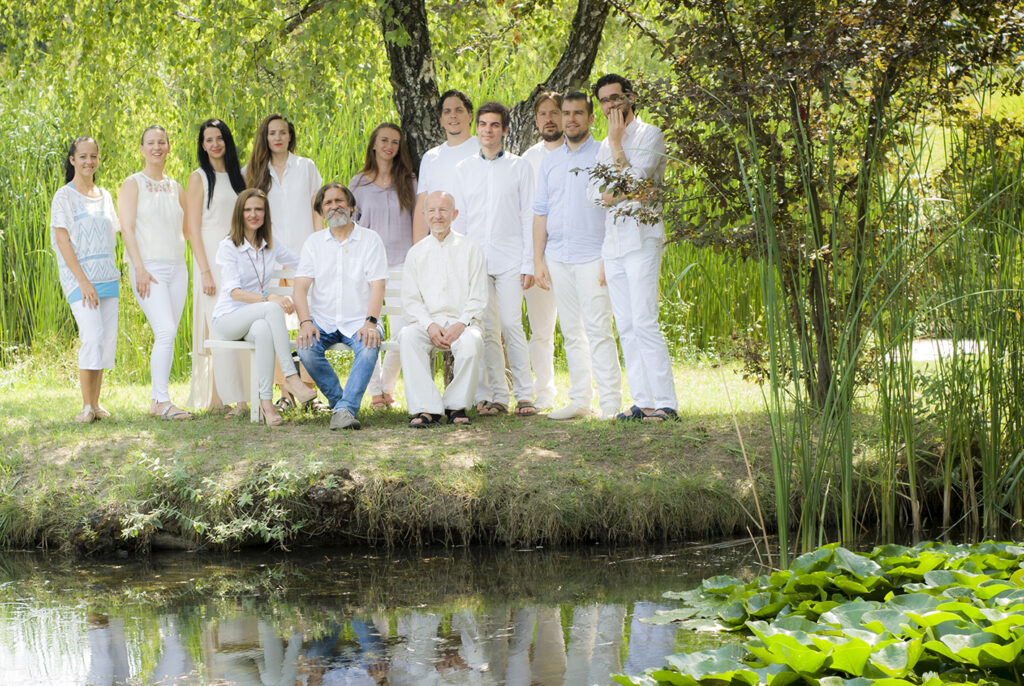
Eva Berki has translated the works of India spiritual teachers to Hungarian. She has also made available in Hungarian Sanskrit texts, as well as help edit along with a team a Sanskrit Hungarian dictionary. Through her dance and love for Indian philosophy,  we find an abiding connection between Hungary and India
What was your first exposure to Indian culture, traditions and language?

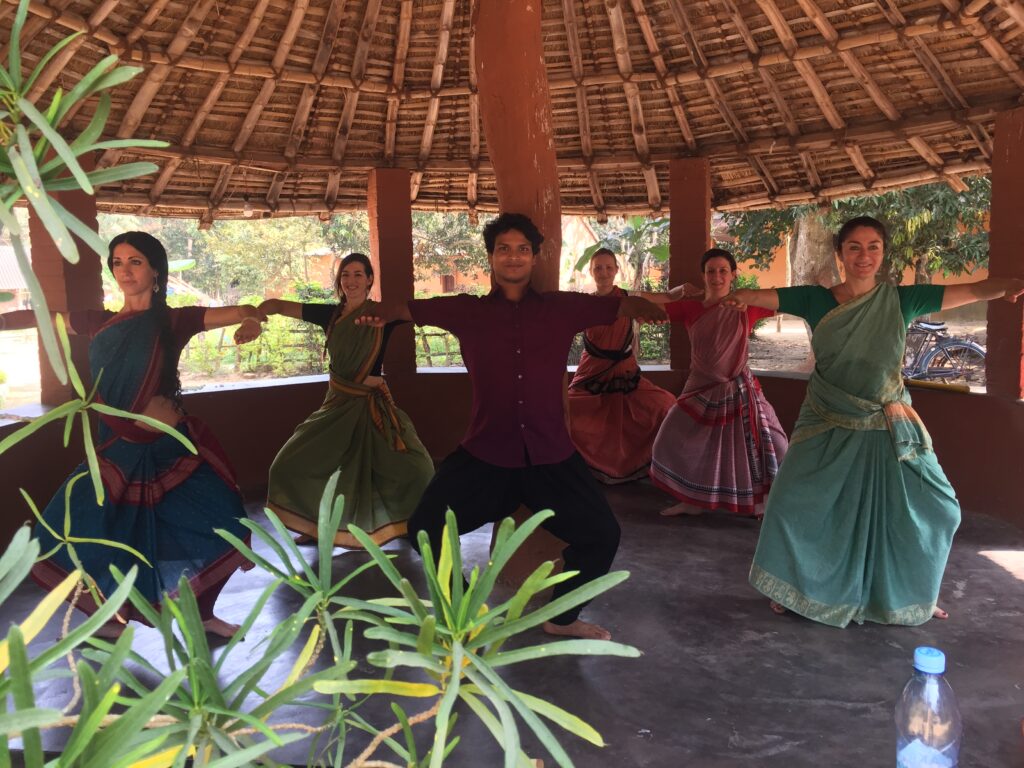
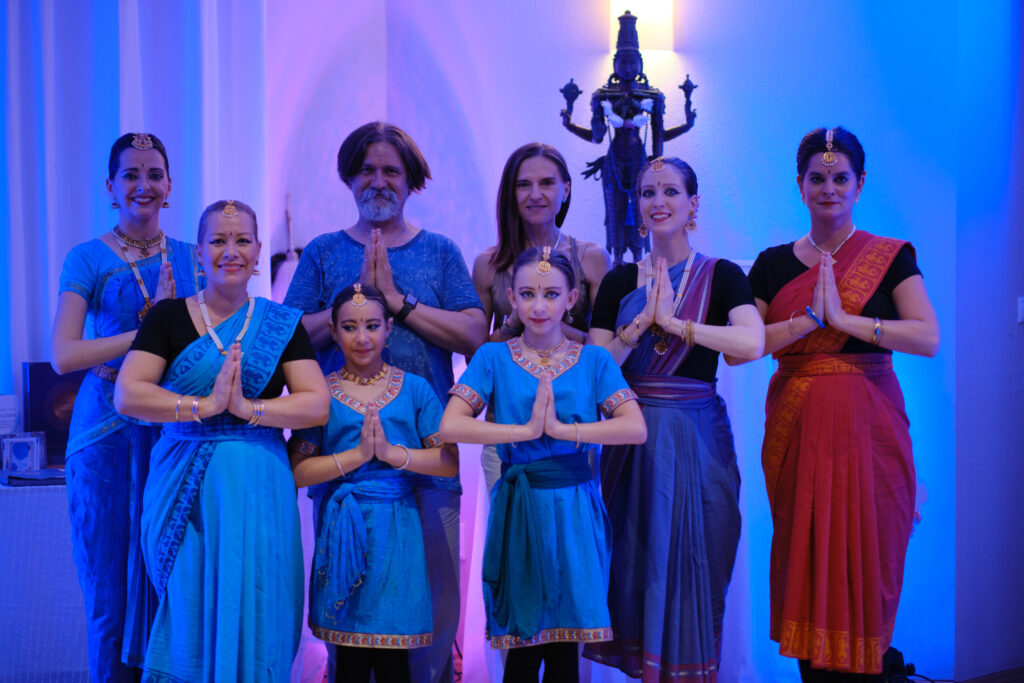
I saw a Bharatanatyam recital at the age of 15 (it was performed by a Hungarian group). I instantly fell in love with the art form, and as luck (or karma) would have it, one of the dancers moved into my hometown right after the performance and started to teach dance. That is how my journey began.

You are a professional translator with proficiency in several languages.  What drew you to Sanskrit in particular?

It all started with dance and lyrics to the items. I remember that my dance mates and I gathered up at a tea house to listen to a Sanskrit teacher explain to us the meaning of Nateśa kauthuvam. But I started to study the language methodically much later, at the age of 25.

Sanskrit is the gateway to much of Indian philosophy. How have you studied Indian philosophy?

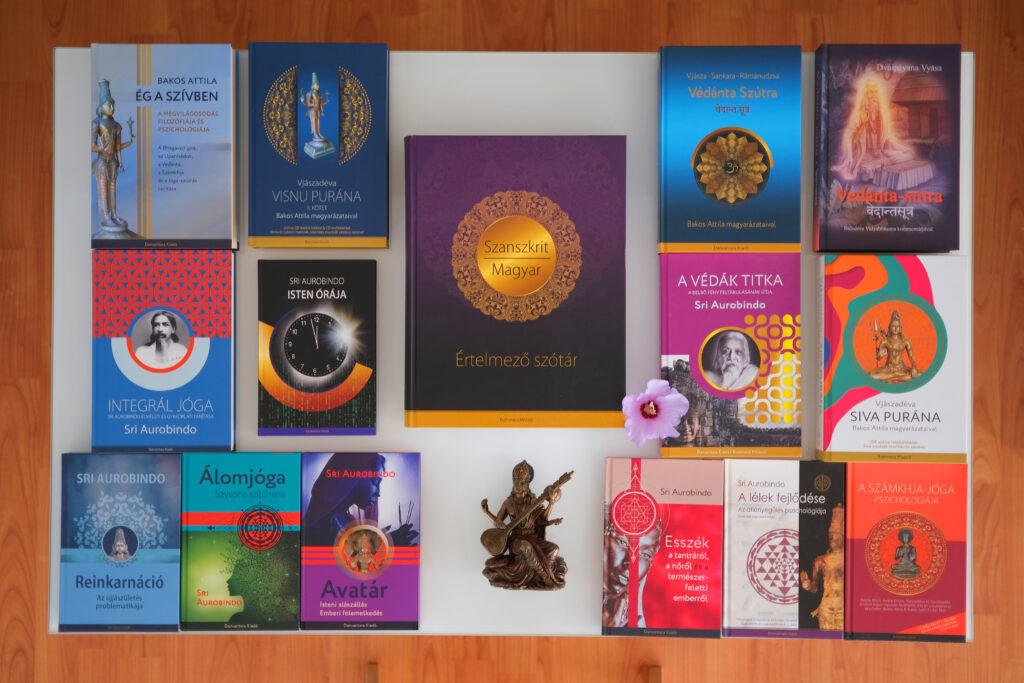
I am lucky enough to have a spiritual guru, who is Hungarian but thoroughly trained in Indian philosophy. He publishes books of Vedic literature, holds lectures and offers an adult training course where he teaches the bases of philosophy based on texts like the Saṁkhya Kārikā of Īśvara Kṛṣṇa, the Yoga Sutras of Patañjali and the Guru Gītā. The theory is accompanied by practice: his wife is a yoga teacher who holds yoga and meditation classes (prānāyāma, yoga nidrā etc.) This 3-year-course gives one quite a good basis to continue studying and practising independently and dig even deeper.
What are the texts that are particularly of interest to you? Can you share why you studied the Devi Mahatmiyam?

My first seva was to translate a book of Sri Aurobindo. By now we have published over ten of his books. It is quite a task to try to render the thoughts of an enlightened Master in a different language, but when they reveal themselves (or at least I think that they reveal themselves), I always feel that I stumbled upon a treasure. My current favourite is his essay called The Delight of Works where he says: “[…] before an opening eye within thee there shall emerge that true and only Person, thyself and not thyself, all others and more than all others, the Director and Enjoyer of thy works, the Master of the worker and the instrument, the Reveller and Trampler in the dance of the universe and yet hushed and alone with thee in thy soul’s silent and inner chamber.”

Right now, I am working on the translation of the Devī Bhāgavatam – it is to complement the perspectives of the Śiva and Viṣnu Purānas which we have already published. It is incredible to see that it contains the highest form of Advaita philosophy carefully wrapped up in a bunch of stories that are often of a quite feminist perspective which is not that common in other Vedic texts.

Another thing that we are currently working on is a poetry book based on the poems of Rabindranāth Ṭhākur, Aurobindo, Mīrābāi, Āndāl and Vidyāpati Kavi. In this endeavour, I exceptionally do not take part as a linguist but as an illustrator, which was my childhood dream (I originally wanted to be a graphic artist).

Is there an interest for these thoughts in Hungary? You have done a Sanskrit to Hungarian dictionary.  How has been the response?

There is a growing interest indeed. On a yearly basis, around one hundred people attend the course that I have mentioned (Hungary has a population of 10 million, so it is indeed a big number for us). Many of the graduates go on and start their own ventures: they start teaching yoga, giving lectures or offering ‘spiritual coaching’. So it is a bit like a spiritual MLM system.

As to the dictionary, it had a quite good reception: the first edition has already been sold out. Since then we have published it in an e-book format as well, since the production costs of the paper format are quite hefty (it is 1250 pages). What is unique about it is that it is not merely a dictionary, but every article contains philosophical examples taken from sacred texts like the Bhagavad Gītā with short explanations.
How does this connect to dance traditions and other arts of India?

I find that Bharatanatyam is pure philosophy. When you dance to ślokas such as Jivaḥ śivah śivo jivaḥ, you are giving a bodily form to the highest thoughts of humanity, you seek to express that that the divinity is present in everyone and everything. In India, these thoughts are living ideas up to day and all Indian classical art forms grew from them and convey them in a form or another.

You have given performances in the Chennai December festival.  How was the experience being at present at Indias largest music and dance festival?

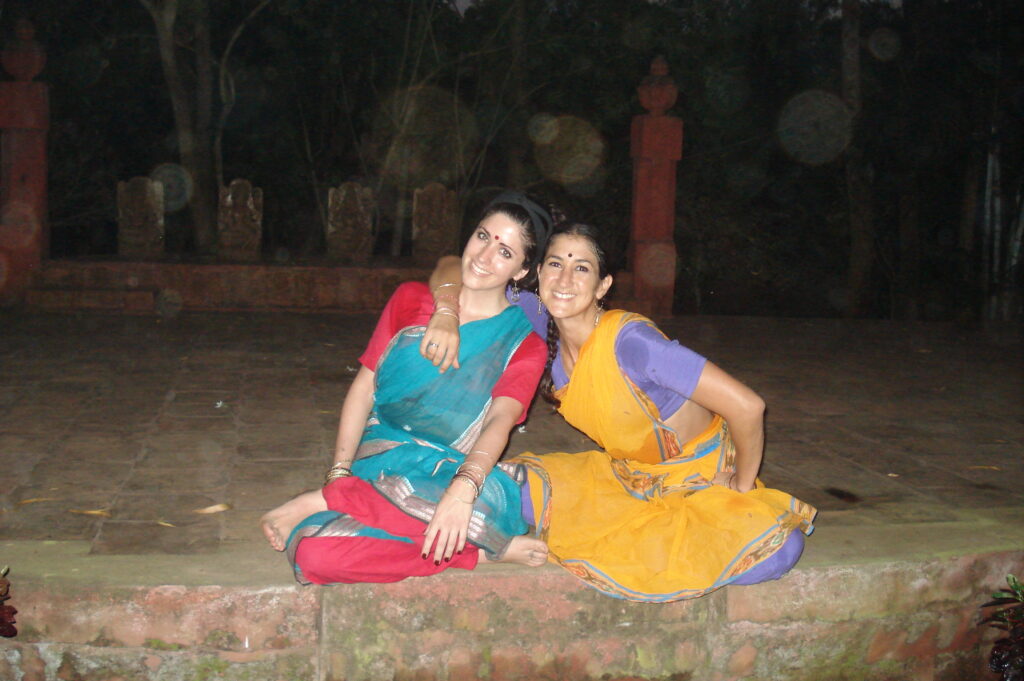
It was a really long time ago (back in 2011), but it was an indescribable experience both for me and for my good friend, Mariann, with whom I performed a duo. I will always be grateful for my guru, Smt. Meenakshi Chitharanjan for seeing the potential in us and making it happen, and I will always cherish these memories as some of the most special moments of my life.

How easy is it to find a guru and be trained in India dance in Hungary 

There are a few Hungarians who teach in Hungary. I was lucky enough to learn under one of the bests, Ms Ildikó Gulyás, who is not only a Bharatanatyam dancer but a Carnatic singer and mṛdanga artist as well (with a degree from the Madras Music Academy). Unfortunately, she moved out of Hungary quite a few years ago, so I had no other choice than starting to teach dance myself. Besides teaching, I constantly strive to improve my dance with the help of online platforms such as NatyaSutraOnline and the Raadha Kalpa Method, by attending workshops both in India and abroad, and by hosting Bharatanatyam artists in Hungary like Ms. Rukmini Vijayakumar and Ms. Radhika Shetty. Currently, I am preparing for a duo performance with Ashima Prakash, who is a medical student in Hungary and is just as crazy about Bharatanatyam as I am.
What is the role of institutions like ICCR in promoting Indian culture in the West. You are a recipient.  How was the experience?

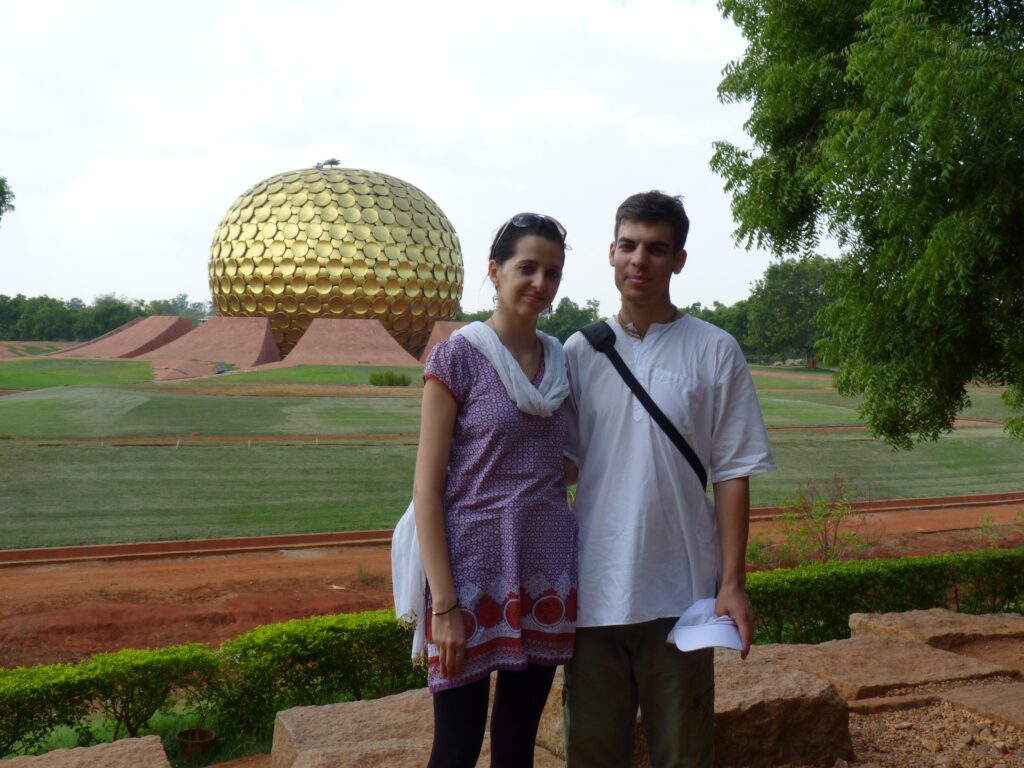
Without an ICCR scholarship, I would not have been able to spend a year in India. And without spending a longer span of time in India, I would not have been able to gain a deeper understanding of the art form and the culture behind it. So for me it was of crucial help.

From a bigger perspective, it is great to see that the Indian Government supports culture at such an extent since culture is the basis of human civilisation, which we tend to forget these days.
Is there a vibrant cultural hub in Hungary for showcasing Indian culture.

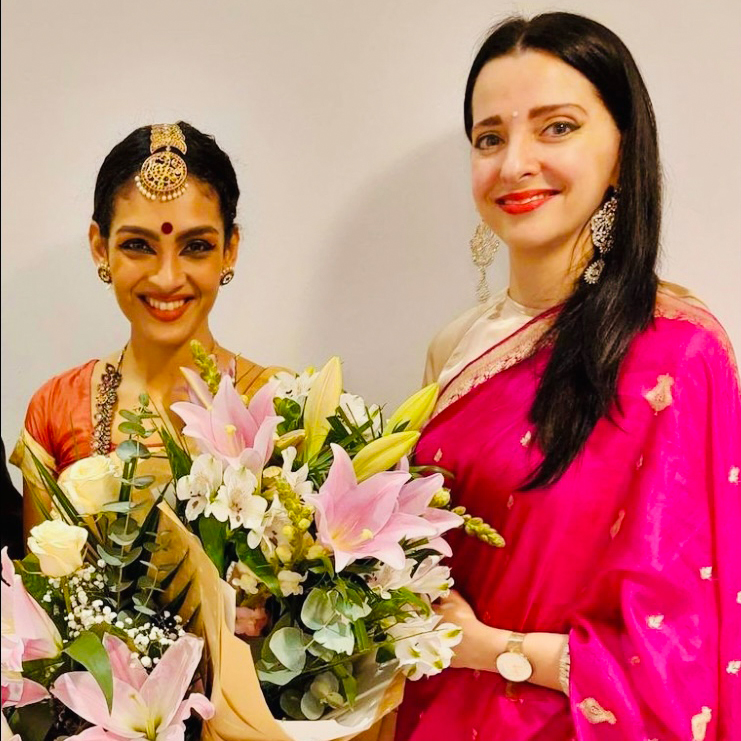
Thanks to the work of committed teachers, there is an ever bigger audience trained in yoga and Indian philosophy who also appreciate cultural events. Besides, I find that the Hungarian mind is quite sensitive to the eternal messages of ancient times and cultures such as that of India. As our great researcher, Sándor Kőrösi Csoma said in the 19th century: “Search and seek, because no nation in the whole world can find so much treasure for the enrichment of its culture as the Hungarian in the treasure trove of ancient Indian culture.”

Video Excerpt of the Interview

The Sound Of Bells And Dancing Hennaed Feet

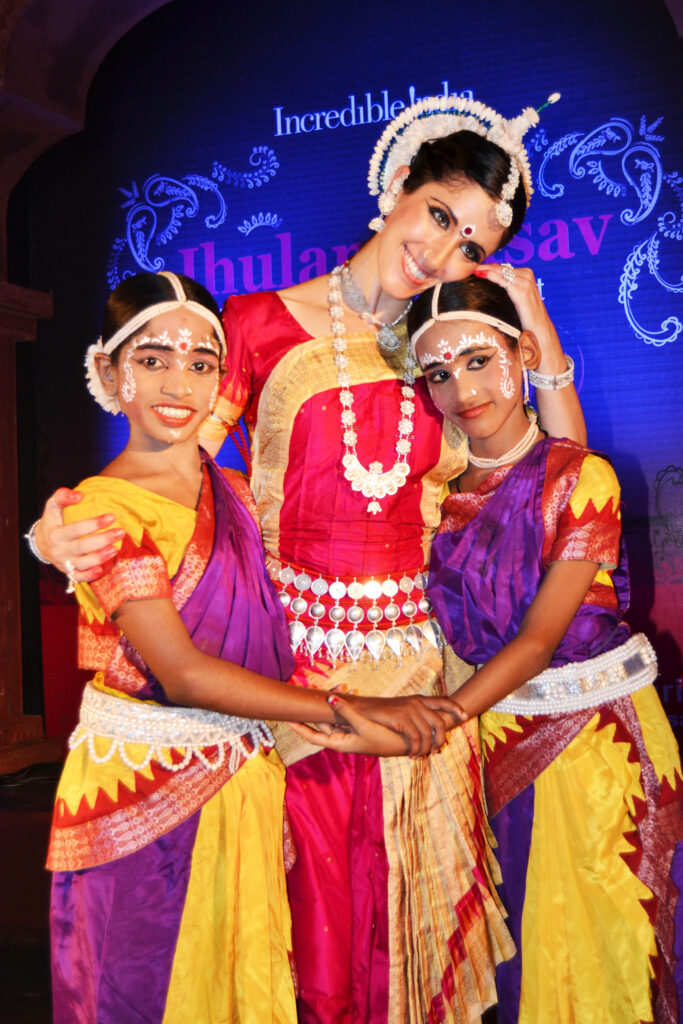
At Güngur Barcelona, Patricia Salgado's main focus has been to promote Indian art primarily through teaching the Odissi dance, offering classical Indian music lessons led by the musical director of Güngur, Jordi Prats, and organizing workshops and performances for both Güngur dancers and Indian artists in general. With over 10 years of presence in Barcelona, they have become one of the major references for the dissemination of classical Indian arts in Southern Europe, says Patricia in this interview for the Center for Soft Power.

What are your earliest memories of seeking Indian culture.

Since childhood, we've had a very close connection with India. My mother, a psychologist, yoga instructor, and meditation enthusiast, introduced us to India from a very young age. I traveled to India with her when I was only 17, at a time when the internet didn't exist. That experience further deepened my connection with Indian culture, but on that trip, I didn't have the opportunity to encounter its dances.

I discovered classical Indian dance while still living in Argentina. My mother took us to a Kuchipudi demonstration by the dancer Ranga Vivekananda, who had recently arrived in the country from India. What was that? The costumes, makeup, jewelry, colors, hand movements, facial expressions, and the sounds of instruments... it was truly eye-opening. My sister and I immediately started studying with her.

I was already in love with India; I was finishing my degree in fashion design, I enjoyed painting, music, and art in general. That dance brought together everything I was passionate about. I often wonder... if I had discovered it a few years earlier, I highly doubt I would have completed my university degree.

Shortly after, I moved to Barcelona in search of work as a designer. During the first years in the city, I focused 100% on my work as a designer, traveling extensively, including to Asia, in search of materials, suppliers, and trends. By the age of 24, I was designing for major companies, leaving me with little time for anything else. After 2 or 3 years, my sister told me she was traveling to India to study Bharatanatyam and Kuchipudi. I took advantage of the few weeks of vacation my job allowed and escaped to visit her. When I arrived at the room where I'd be spending a few weeks accompanying my sister and taking a break from Barcelona's fast pace, I found a practice saree and a choli on the bed. I looked at her, and she said, "You have a class in 1 hour." From that moment on, I haven't stopped dancing.

Was it easy to find gurus and teachers in your city?

It wasn't easy. I had the experience of learning in India. I had tasted the quality, purity, and devotion of the teachers who had taught me. I searched desperately, but at that time, there was no one in Barcelona. No teacher or school where I could learn in the way I expected.

Together with my sister, we made the decision to return to India and continue our studies there. During that second trip, we decided to establish Güngur. In both cities, Barcelona and Buenos Aires. We wanted to bring to our cities what we had desired so much. A place where we could share and learn this unique art. And that's how Güngur was born.

 Is it possible to understand the ethos and nature and purpose of Indian dance away from its natural setting

In my case, being closely connected to India from a young age, I always felt a special bond. India was my refuge, my passion. Dancing connects me to my deepest essence; I feel liberated, without necessarily feeling devout or rooted in religion.

However, after teaching this dance for 10 years, I realize the many reasons people are drawn to this dance here in the West. And it's fascinating. Because classical Indian dances are so rich in meaning, so complete, they attract people for their spiritual aspect, as many devotees of Krishna come forward. They attract for their technical side, as it's a comprehensive way to exercise our bodies. People are drawn for its theatrical side too, as telling stories and expressing oneself through mudras and facial gestures is unique and seldom seen in other artistic disciplines. Yoga practitioners are drawn as they appreciate the movements, mudras, and postures. Bollywood dancers and teachers are drawn to deepen and expand their knowledge to convey to their students. All these aspects coexist in the class and enrich in their own way. It's true that these dances don't have a very broad audience here. After the first year, typically only about 10% of students continue. But those who connect with this dance, continue till today.

What drew you to Indian dance. What made you choose Odissi in particular?

As I mentioned before, what initially drew me was its aesthetic aspect, Aharya abhinaya. But the moment I saw the movements and heard the music, I simply knew it was meant for me. From a young age, I listened to mantras, practiced yoga, read mythology, and painted Indian deities. However, I felt incomplete. When I saw Sujata Mohapatra perform Odissi, I knew I wanted to learn that style. I stopped learning Bharatanatyam and Kuchipudi and focused solely on Odissi. Its fluidity, subtle movements, music, and costumes captivated me. Design is my profession. Dancing Odissi is my passion. Sharing and transmitting it to others through Güngur is my mission.

Are there certain aspects of Indian dance you feel particular drawn to?

No, I'm drawn to all its aspects. Although I feel more comfortable with the technical side—practicing basic steps and repertoire of pure technique—I must say I increasingly enjoy attempting to express and connect with the more expressive part. I believe this is a challenge for all non-Indian dancers: to authentically connect and express. To convey our feelings through abhinaya, and to do so without acting or trying to imitate.

You have started your own space Gungur. What is its core activity?

At Güngur Barcelona, our main focus is to promote Indian art primarily through the following activities: teaching the Odissi style conducted by myself, offering classical Indian music lessons led by the musical director of Güngur, Jordi Prats, and organizing workshops and performances for both Güngur dancers and Indian artists in general. With over 10 years of presence in Barcelona, we have become one of the major references for the dissemination of classical Indian arts in Southern Europe.

Are Indian textiles popular in Hungary. What are the products you stock?

Not very much, unlike in Argentina where there's more demand and interest in textiles from India. However, our small brand, Bygünugr, offers not only garments made with hand-blockprinted fabrics, entirely handcrafted in India, but also a small collection of stretch cotton kurtas made in Barcelona with European fabric. These are designed for comfortable practice. It's challenging to find suitable attire for practicing these dances outside of India.

Your sister is a dancer too. Are there other family members interested in Indian art?

Our mother introduced us to this art, but my sister and I are the ones who have most deeply connected with Indian dance and art.

What is the biggest take away for you from Indian art?

For 10 consecutive years, I traveled to India during my vacations, specifically to Konark Natya Mandap in Konark. These were short yet intensely contrasting periods where I lived a completely different life from my routine in Barcelona, working as a designer. There, I didn't just learn Odissi; I interacted with the gotipuas who lived there. The experiences, the growth I underwent alongside them throughout those years, have been the greatest lessons I've received.

Big City Vibes And Human Tales By Sandeep Mohan

A Director’s Journey From Animation To Films

From the fascinating world of animation to the real life world of his films, Biju Das has crafted stories that combine skills of imagination and character sketching. He started his career as an animator, when he joined ZICA Mumbai to learn 2D Classic Animation Film Making and Designing. In 2007, he joined an animation production house called DQ Entertainment Ltd. in Hyderabad where he started working on some Disney projects. He moved back to Mumbai in 2007, and joined big corporate house Tata Elxsi where he worked in animation, feature films and TVC.

While the majority of us have a favourite animation character which we have either seen on screen or in cartoon books/strips, Biju was always curious about how characters move and talk. Animation works by creating the illusion of motion through a sequence of static images or frames. In traditional animation an animator begins by sketching a series of keyframes.  Once the keyframes are established, the animator creates in-between frames. These frames bridge the gap between keyframes and help create a smooth transition from one pose to another.

In traditional hand-drawn animation, the frames are scanned into a computer to create a digital version of the animation. In some cases, artists might skip the traditional process and create the animation directly on a digital platform, using tools like drawing tablets and software. In 3D computer animation, the process begins with modeling. Artists create digital 3D models of characters, objects, and environments. These models are often constructed using polygons, and they can be textured to give them their visual appearance. After modeling, a rigging artist sets up a digital skeleton or rig for each character. This rig allows animators to control the movements of the character's body parts, much like a puppeteer.


Both traditional and computer animation require a keen understanding of timing, motion, and storytelling to create compelling and visually engaging animations. The choice between these methods often depends on the project's style, budget, and creative objectives. For Biju, the joy of creating new things attracted him to animation. “Animators use creative skills almost daily to form a story.”

He worked in the production of many animated TV series, TV commercials and Animation Feature Films. “I worked for the animation feature films Road Side Romeo directed by Jugal Hansraj, and Arjuna The Warrior Prince by Arnab Chaudhury. He also worked for some VFX movies - Kedarnath, Bahubali -2, Welcome to Karachi, Ghayal Return, and the Telugu film Soorarai Pottru.”

The contrast between the two mediums of animation and films, was the capturing of reality as it is. “Animation is the process of creating moving images from drawings, computer graphics, or other visual art forms. Live action films on the other hand refers to filming real people, objects, and locations with a camera and it involves using actors, sets, props and I wanted to have new experiences with all these. I wanted to use real cameras and was keen to make my own movies. First I thought about making an animation film but animation is a very time consuming process and also I couldn’t afford an it. So I planned to make a live action short film – Devi, which was my first short film.”

His experience in animation stood him in good stead. “Animation helps a lot in the journey of film making because the process is almost the same. In animation we need to do everything frame by frame with all the minor details. We use Animatics, Storyboards which help for camera angles and compositions. Sometimes we need to set the camera lens also when we do 3D animation. When we do the character animations, we need to act out the scenes ourselves first. All these things make it easier to make any live action films too,” says Biju.

Biju says that there were many specific skills and lessons from animation that he found particularly useful in film making, for example it improved the skills of visualization, artistic talent, storytelling, ability to work under pressure and storyboard making. “When we shot short films like Devi and Surabhi we first completed all the pre-production work including story boarding.”

In terms of the major differences Biju encountered when working in the film industry as compared to animation, he says in the case of animation the images or graphical art forms are created at this point and are adjusted or re-animated throughout, whereas in live action it is not possible. “Besides, during a live action shoot we need to careful about the lighting conditions because the light changes when we shoot under natural light. There are many new things to learn or acquire new skills or adapt such as team management, right casting, locations selections, knowledge of lighting, costume, etc.”


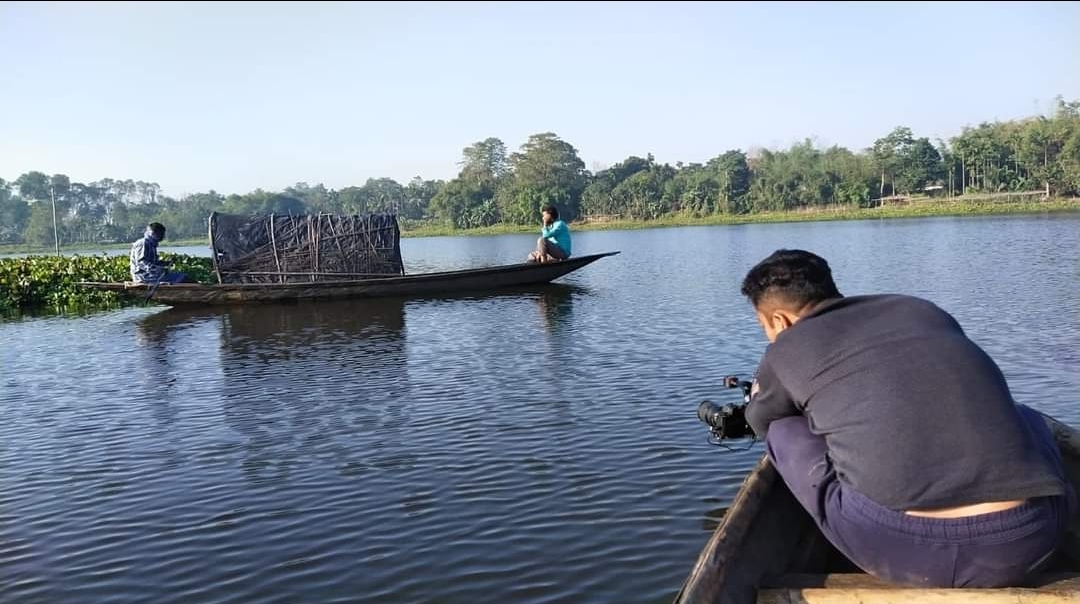
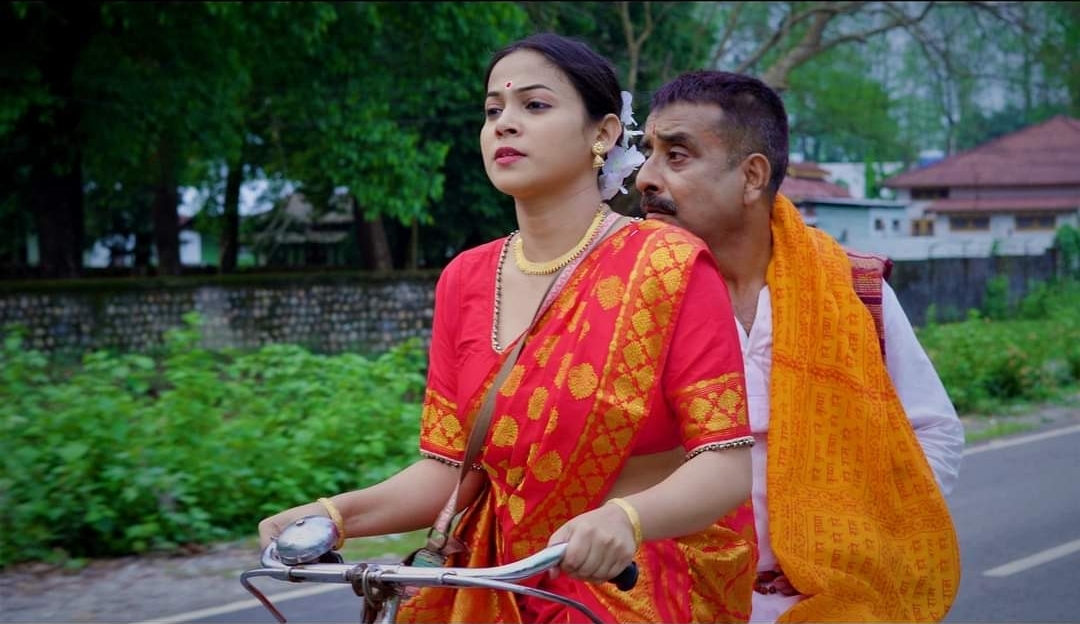
Biju’s first film project was a short film Devi shot in a village in Assam and most of the actors and actresses were not professionals. “The main challenge for us was to achieve perfection in acting. The main theme of the film was women empowerment. We shot the film with some limitations, in animation on the other hand almost nothing is impossible. Another difference is that in animation we exaggerate things more compared to live action films in terms of the story or action.”

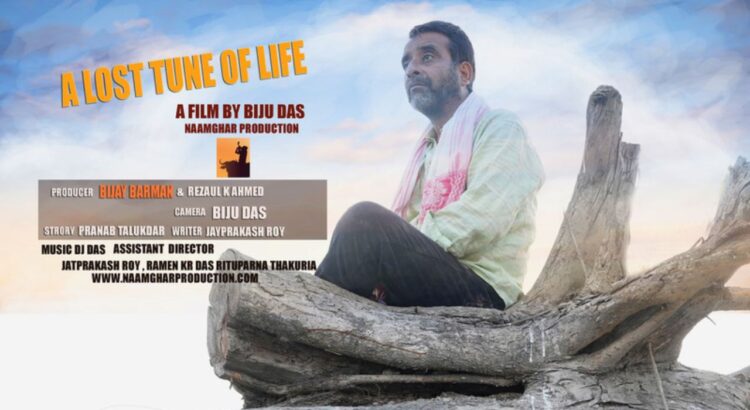
After the short film Devi he made some more award winning short and documentary films including Hands of Destiny, A Journey of return, Life in a Fishbowl, A Smile of Gandhi, The Bird Seller, A Lost Tune of Life, Surabhi and recently he has completed the post production work of a new short film  A perfect move.

Biju says the concept of film making is essentially the same in both forms - story, scripting, brilliant screenplay. “For those who love to film real people, objects and locations with a camera and if somebody is considering making the transition from animation to films, I think things get easier in live actions.”

Video Excerpt of the Interview
Glamour Of Honest Assamese Filmmaking

The despair of the poverty stricken family worsens, when the sole bread earner of the family dies suddenly.  The wife is now left with the tough choice of pulling out her children from school and putting them to work, or find a way to educate them.  The story of Protyush (Ushering a Crack of Dawn) directed by Arindam Barooah is about the struggles faced by many families across India, as they try to balance hopes for a better future with pressing day to day needs.

Arindam is not a stranger to these pressures and brings them to life with great sensitivity in his films. Protyush (Ushering a Crack of Dawn) was awarded Best Short - Jury Award Special Mention in the 2020 Indica Pictures Film Festival. Arindam Barooah is also known for Panisokori (in the swirls) (2021)Daag Acche Hain (The Broader, The Better) (2019) and Endharor Bheta Bhangi (2018)

Arindam hails from Duliajan, Assam. As a child he loved watching films but did not venture into filmmaking until after finishing his engineering. In 2014 he shot his first movie titled ‘Eti Notun Prabhat: A New Dawn.’ In this interview he speaks about his inspiration.

You have grown up and lived in a land where life is not very easy for many people. You also have described a life lived with financial pressures. How does this sensitise one and make one empathetic to the struggles of others that you have portrayed so beautifully in your films.

I believe the surrounding is one of the best sources of inspiration, ideas etc. I have been fortunate enough to have met people in person and gotten to know them. It's the interaction and experience that led me to make films based on their life and put forth in front of the world.

In Protyush, you have dealt with the theme of an impoverished woman who has to make a critical decision on how to live her life on her own terms. Is this film inspired by any real life story? 

As I said, the surrounding is one of the best sources of inspiration. I have come across few women who have been financially weak and are brave enough to live lives on their own terms.

You have dealt with poverty, stigma, hardship, hope through takes and shots that we describe as vilambata kalam or very slow tempo speed in South Indian Carnatic music, that allows time to dwell on the note. How do you execute this technically to describe the emotion?

Most of my films have slow paced treatment. I let the viewers experience the passage of time with respect to the characters. The treatment forces the viewers to stay with the state of mind of the character's emotion on the screen. Most of the frames highlight layers of emotions hiding beneath the surface.

You have shown great integrity to the themes by pinning them in their own environment. How do you research and execute this for greater authenticity?

Whenever I get an idea or someone shares a story to make a film, I make an effort to know about the subject/theme beforehand. I try to make myself comprehend the essence of the subject. I make a point that most of my subjects should be socially driven. They should be also from the audience's perspective, relevant to today's time and should deliver a certain message to society.


Could you briefly describe how your filmmaking has changed or expanded over the years from Panisokori. 

I have become a more mature and detailed filmmaker now. I am now not in haste to do something good rather give time to make the output better. I had learned to work smoothly with a professional team where I believe filmmaking is a joint effort. I try to observe things more minutely especially both in aesthetic & technical ways.

Where do you place the success of your film from the great pool of creativity that is emerging from Assam?

I would say it's still a long way to go. Panisokori being an independent film would still have a niche audience. It won't attract a mass audience considering the subject and treatment we portrayed in the film. However, the audience's taste is changing towards better content oriented films over masala films.

Culture Filmed Is Culture Preserved

Abanti Sinha’s work In Search of Parbha Chhau (Parbha Chhau-er Sandhane, in Bengali) is all about finding the most local of stories, happening under our eyes, but escaping our attention. In the lines of Kannada film Kantara, and even the book by British author Pepita Seth on the Theyyam rituals of Kerala, the Parbha Chhau is facing the prospect of losing its practitioners. Her film Bhumchu -The Drops of Eternal Life won the Best Documentary, Audience Choice, in Indica Pictures Film Festival in 2021. In this interview Abanti talks about her passion for preserving under threat traditions.


What sparked your interest in old tales and stories of vanishing arts?

My passion for travelling to the nooks and corners of my country, to unknown places, interacting with people of different faith , beliefs and culture -- gave me the privilege of spontaneously mingling and  interacting with people of grass root, getting involved in the  truest sense to capture the essence of their prosaic life . Hence as a director of documentary films, my narrative found a way of unleashing lesser known or unknown subjects, which remained obscure down the ages.

You must have spent a lot of time and effort tracing the last few practitioners of the Parbha Chauu. Could you please share your journey of research

Way back in 2012 I met a group of people in Jhargram, who were performing Purulia Chhau. They revealed that there had been a different form of Chhau in this region which lost its identity as there were not many people left to carry forward the unique form. It was my beginning of a long journey to search for the roots of this dance which they described as Parbha Chhau. I came several times to this region each time following the information to track a resource person. And finally I met the King of Chilkigarh Palace, Raja Birojesh Chandra Dhabaldev, whose family once endorsed and patronised this dance. The hunt for two elderly dancers thus started and finally I could film this Documentary in 2018-2019.

How important is documentation and subsequent showcasing in film festivals to     preserving these rare art forms under threat from modernisation.

The views of eminent scholars and art historians have been incorporated in my film to emphasize the historical context and the inner value of this dance, thereby adding an archival significance in preserving the essence, aesthetics and a rare culture form of our country.

A proper knowledge and concern about such rare and dying art forms can be created only when it is brought to light by an audio visual documentation. My aim for making such documentaries is that, even if not revived, at least it can be preserved for the posterity considering its antique value.

Every documentary film-maker struggles to mould bits and pieces of gathered information into a film, showcasing them to a greater audience become a primary intention. A world wide consciousness and exposure on the subject can only be done by showcasing it in Film festivals which includes a myriad global audience. This paves a path not only to discover the subject but also create an awareness to preserve the dying heritage before it fades out completely.

Government backing and funding can go a long way to producing such films. What role do you envisage for the government for producing such films?

Procuring Funds for Documentaries is still the greatest challenge for Film-makers in India. Government Funding can be a backbone for such endeavours. But in most of the cases subjects remain obscure, or apparently may appear insignificant and hence the need for preservation is not perceived. As a film director and researcher I think I could play a vital role in at least help noticing subjects which may otherwise fade into oblivion.

What is the curiosity of non-Indians towards both the art forms and the films?

India has always been a land of wonders and the International audience is still amazed with the variety of art and rituals, cult and culture, the people-- their living, the myths and stories culminating in their daily lives, which prevail in nooks and corners of India. This according to me will continue to be relevant and interest the global viewers even in the days to come.

Can urban India  and international audiences relate to such very localised narratives given the rapid cultural shifts that are happening?

Culture is the identity, the face of a country. The more localised the cultural practices are, the better understanding we can have of its historical and socio-economic perspective. The more aboriginal it is, the better we can realize the indigenous elements that it nurtures.

Though in this fast changing world we are becoming a part of the same global community and trying to adapt ourselves with the rapid cultural shifts— a time of crisis is sure to come when again we will start seeking our individual identities, and searching our roots. Connecting to our heritage shall then give a better reason to regenerate and re-grow.

What is the mood among the artists? Is there a sense of hope or despair? How do we do justice to this honest emotion?

The artists, dancers and accompanists who knew the actual form of  Parbha dance is no longer alive. The young generation tried to revive the form but there is great lack of guidance and equipments. The passing away of Raja Birojesh Chandra have also added a sense of despair to the dancers, since he hosted the dance event occasionally. But there is one ray of hope. At least the masks have been restored by the Government at present. The dance tradition may be hard to continue without proper training but I believe, the documentation shall remain as an invaluable asset for further research and restoration of this dying form.

Video Excerpt of the Interview
A Coming Together Of Sound And Theme

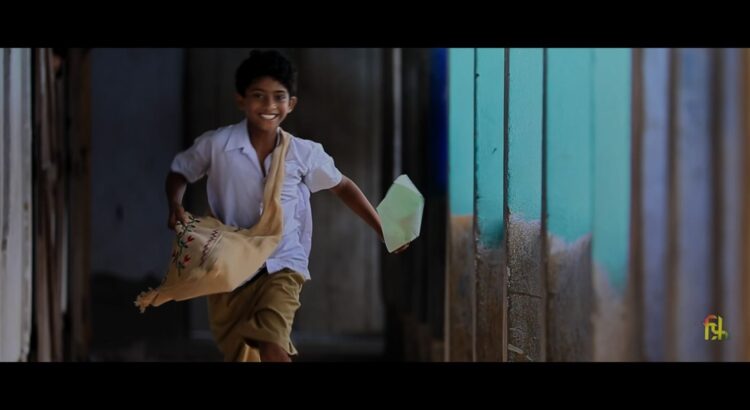
B Suresh Kumar’s film the ‘School Bell’, produced by the Films Division-NFDC, Government of India, has won acclaim for its theme of eradication of child labour and education in a novel way. Also it is a production that highlights and pays attention to Sound in films, something that has often been de-prioritised by film makers in their quest for the perfect story and visuals. It won the Best Ultrashort Film, Audience Choice in the Indica Pictures film festival 2021.

Suresh Kumar, after graduating in Visual Communication, did a Diploma in Film Technology and Television Production. He specialised in Sound Recording from the Film & Television Institute of Tamil Nadu in Chennai, India and worked as a Sound Engineer and Recordist for more than 400 Indian features, short films and documentaries before joining Films Division , Government of India, Ministry of information and Broadcasting.  In this interview, he speaks about how he has brought his experience as a sound engineer to his directorial films.

How did your experience in sound recording transition to film making? How do the two go hand in hand?

Actually, we call it AV i.e. audio comes first and then video. But in Indian Films, I have observed audio is given least importance. As a Sound Recordist, I was often humiliated on shooting locations, where the Directors I worked with cared little about audio. They concentrated only on the cameraman and his visuals. This humiliation made me become a Director and I decided that I will make my films with sound as one of the main features, thereby elevating the narration of the film through atmospheric real sounds.
I started my Direction venture with a musical documentary namely “Gourd to chord”. This is a brief half an hour documentary on the making of Indian musical string instruments like the Veena, Sitar, Tanpura, etc., using Gourd as the base. I used only location sounds and not even a single sound was added later. This documentary was well received giving me confidence I was right.  I then directed a 3 min short Fiction film only with atmospheric location sounds called School Bell. Both films were recognized at national and international film fests.

How did your stint with Films Division help to hone your documentary film skills?

Films Division is an produces documentaries, short fiction and animation films. Working for more than 23 years as a Sound Recordist in Films Division, I gained lots of experience in all genres. I was posted to Kolkata after working in Mumbai, where I got the golden opportunity to work under four time national award winner Joshy Joseph, who was a Director in Kolkata. While accompanying him in one of his Docufiction filmshoots for “Safar- A Journey of an Indian Farmer’ in Odisha, during the silent shot takes, I went into the nearby forest area to record bamboo scratching sounds which were breathtaking whenever the wind was blowing.

I played the bamboo scratching sound to Joshy during our lunch break. He was so taken up with it that he took a shot of a farmer sleeping in the forest in a rope cart from a crane. This became the first shot of the film Safar, in order to introduce the bamboo scratching sound. He was the first person in the entire Industry who understood the value of sound and the value of a Sound Recordist. Subsequently I became permanent Sound Recordist in all Joshy’s films and he became my permanent Director to work with. I am grateful to him for respecting and honoring me and my sound.

What inspired you to make the School Bell and why did you choose Bengali as the medium? Seems to be very Satayajit Rayish.

I am from Chennai  and I joined Film Institute of Tamil Nadu in Adyar to study Sound Recording and Sound Engineering in 1989. During my three years of course, whenever I use to see a small boy or a small girl working in a tea shop washing tea glasses or in a hotel cleaning plates, I use to feel bad for them and wanted to free them immediately and take them directly to a school like a hero does only in Films. But, I was helpless. So, I scripted a short film about Child Labor using a Famous Tamil Prayer song “Neerarum Kadalodutha Nilamadanthai Ezhilozhugum Seerarum Vadanmena Thighazh Bharatha Kandamithil.”  But, it was not easy to make a film in the 1990s as the format was 35mm.
Hence, I kept the script to myself, understanding the ground reality of making a film is a mammoth task for a middle class person. Then, I joined the Tamil film industry and worked for more than 400 films before joining Films Division Kolkata as a Sound Recordist. This became my turning point, as I was encouraged and appreciated by both my directors Rajiv Kumar and Joshy. In Kolkata, we use to attend film festivals regularly at Nandan complex where we became cinephiles. I got the support of my two directors, when I wanted to direct my first documentary. As my confidence grew, I changed my prayer song from Tamil to Bengali, realizing that child labour is a universal problem of India. I decided not to have any dialogue but to play with sound, visuals and emotions. That’s how Neerarum Kadalodutha became Anondo Loke Mongola Loke. The boy Aathithya whom I cast is a Tamil boy, lived next to my apartment in Kolkata. To my surprise the location of the school in which I shot School Bell is called Boral, where Pather Panchali was shot by master film maker Satayajit Ray.

What impact did you hope to make with the production of this film.

It had been my dream for over 30 years to create awareness about eradicating child labour through the medium of films. I have seen many short films on child labour before starting on my film.  They were mostly pedantic with loud commentary or voice overs or scrolling text like in power point presentations. I wanted to convey the problem through the eyes of the child without a single dialogue or separate music.  I used the Prayer song in Bengali as the basic sound track of the entire film and used atmospheric effects. This clicked and people were moved by the sound scape of the film which triggered emotions as I had hoped.

The School Bell is set in modern India. How do we reconcile the fast paced developments in space, medicine, industry with a situation where the right to education is still something not adequately addressed. Your other film Arithaaram is very folksy. How does the koothu community cope with modernisation and how did you manage to capture this?

Just as we have eradicated polio fully from our life, if we could eradicate child labour we can be proud about developments in space, medicine, industry, etc.

Due to the advancement in technological developments in cocial media, the future of Therukoothu (Therukoothu in Tamil, is an ancient art, where artists play songs with dance and music in storytelling of the epics) is bleak. It is a folk art which originated from the early Tamil country and has slowly started diminishing and the survival of the Therukoothu artists became a question mark. This film captures one such artiste and his mental agony.

Video Excerpt of the Interview
Fusion introduces Indian Music to the World: Violinist Nandini Shankar

Violin players in the Hindustani tradition are rare and are linked closely to the family of esteemed artist Dr N Rajam. Nandini Shankar, her granddaughter, is part of a legacy which includes India’s classical musical tradition and to the coming together of the East and West through music that has both contemporary appeal and yet is rooted in ancient sounds.

Nandini plays the violin in the Hindustani Gayaki style, pioneered by her grandmother and subsequently played by her mother. She is also part of several bands including the first ever all-women Indian classical band conceptualised by vocalist Kaushiki Chakraborty. She is also part of a fusion band formed by her mother Dr Sangeeta Shankar aimed at giving a new sound to popular tunes. In thi interview she talks about the intersection of the two modes of music India offers to the world.

No two artists of Indian music sound the same even while playing the same raga or song. What does this say about nature of Indian music and the possibilities it offers?

Indian music is deeply rooted in improvisation - and hence the possibilities are infinite. It gives the opportunity for musicians to make any piece of music their own. I think that's beautiful.

Playing the violin in Hindustani music was pioneered by your grandmother and followed down three generations. How has it added to the music soundscape? How is the violin gayaki style you play different from conventional instrumental music? 

My grandmother's pioneering work in developing the Gayaki Ang has been path-breaking in the world of Hindustani violin. It has unparalleled emotive power and depth. I am truly blessed to carry forward this legacy.

In Hindustani classical music, there are two styles - vocal and instrumental. Ragas are unfolded differently in both styles. The gayaki style that we play follows the vocal style of improvisation and expansion of a Raga. The technique allows us to emote as deeply as a singing voice, even on the violin. It is the perfect instrument for that really; being bowed and fretless. It is completely different from the Western Classical style too. Audiences in the West are amazed and often moved to tears when they listen to this style!

How is the Indian fusion scene changing with the burst of digitalisation and sound technologies. Do Indian bands and the music they create hold appeal for international audiences 

Indian fusion is rapidly developing and becoming the go-to genre for the youth, especially with the advent of social media and streaming apps. It has become a vehicle for youngsters to reconnect with their culture and tradition. Advanced sound technology and different styles of music production make the music more accessible to the masses. Indians all over the world greatly appreciate fusion! It also becomes easy to introduce Indian music to a foreign ear through this genre, since they can relate with the common elements they find in the music they listen to on a daily basis.

How can we make India a music destination like it is for yoga and Ayurveda? Does the absence of international standard concert halls make it difficult to attract non-Indian musicians here?

Just like Yoga, Indian Classical music, too, has its roots in spirituality. It has the power to take the listener to a higher dimension. The world is a much smaller place now (thanks to the internet) and a lot of non-Indian musicians are taking to Indian music, more than ever before. I personally feel that basic courses in Indian music should be conducted everywhere - that will not only help develop a taste for our music among global audiences, but also keep our culture thriving. International standard concert halls would definitely be welcome too.

Are we looking at a true opening up, a democratization of the music scene post pandemic with artists reaching out to audiences worldwide more seamlessly?

 I can already feel everything opening up, and I look forward to it. After over 2.5 years, everyone is yearning for more live music.

Are Indians ready for the music video culture transitioning from CDs?

Music distribution formats have changed very rapidly in India over the last few decades. Every Indian has a mobile phone today. So yes, I think we are ready.

How do artists create integrated music when listening tastes and demands are so varied. Do we have bands that cut across cultural and regional diversity the way some popular Asian and Western bands have?

The key here is integrity. An artist can only be consistent when they create music that truly speaks to them. Following the ever-changing tastes and demands of the audience puts tremendous pressure and does not allow for free creative expression. If an excellent artist is truly passionate about that musically, it will happen. It is only a matter of time.

How do you see your career as a multi dimensional artist shaping in the future.  What are the things you are looking forward to doing solo and in collaborations with other artists?

 I am happy to be doing something that I love, and anything that is musically beautiful is welcome! There's a very exciting project that I have been working on for the past two years, and I can't wait to share it soon with all of you.