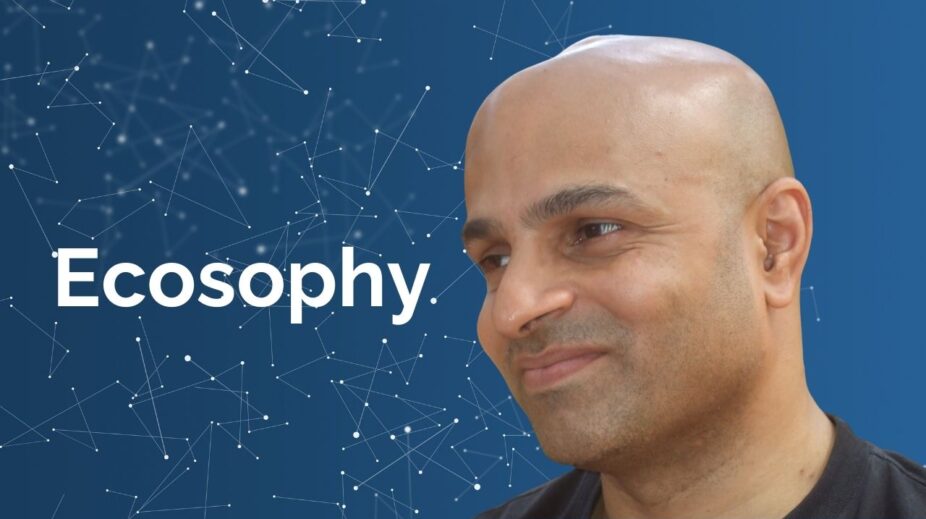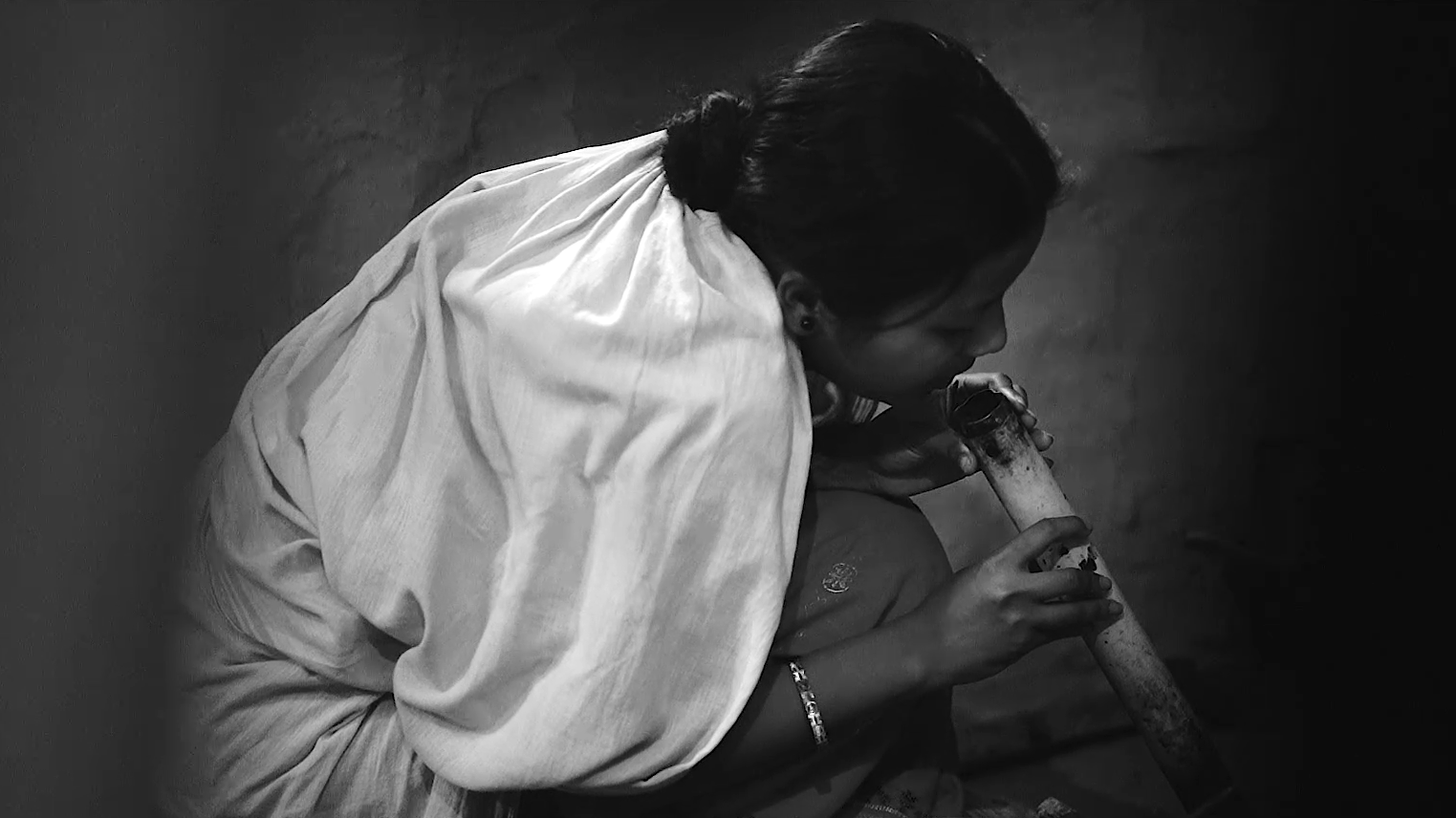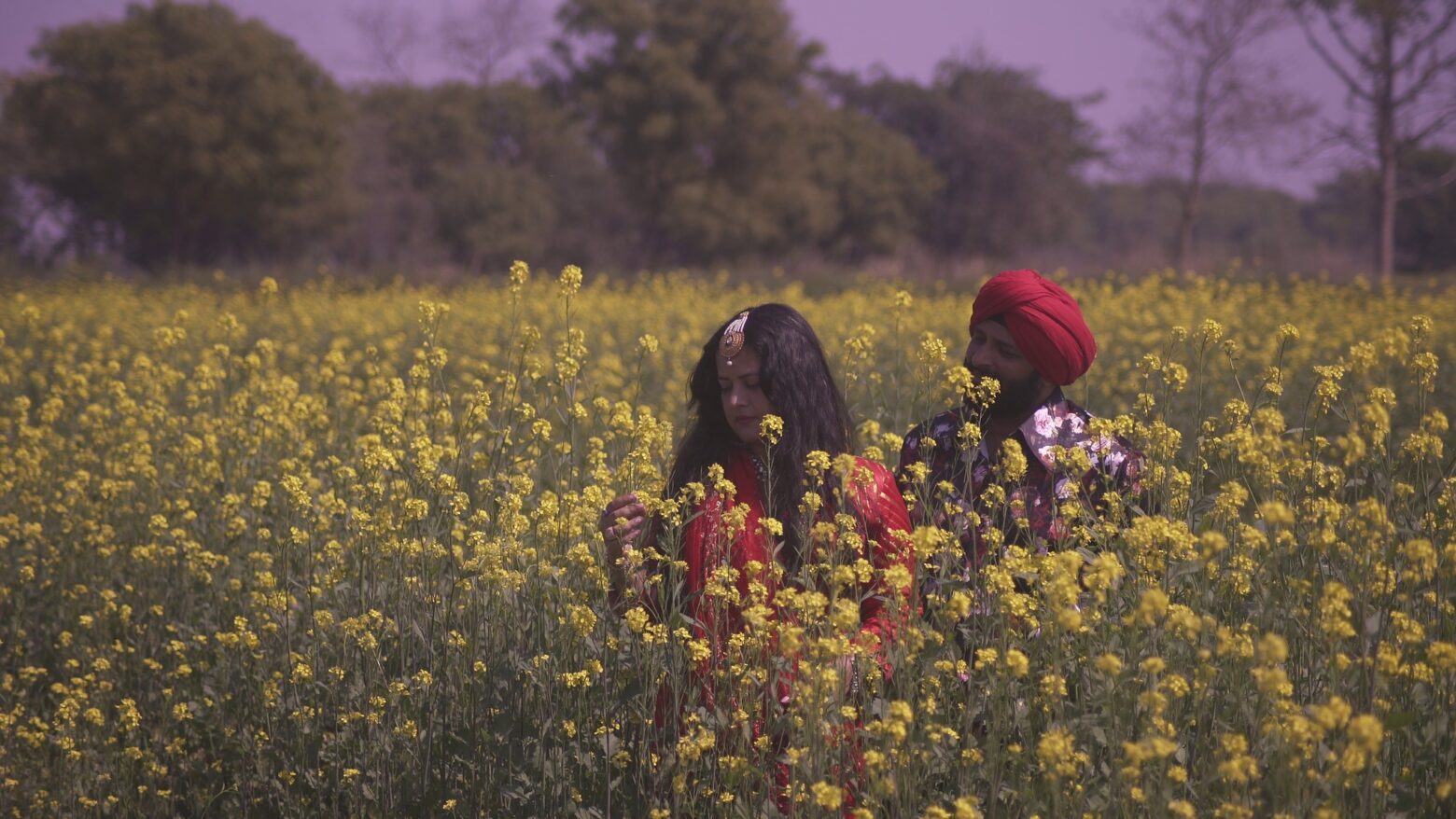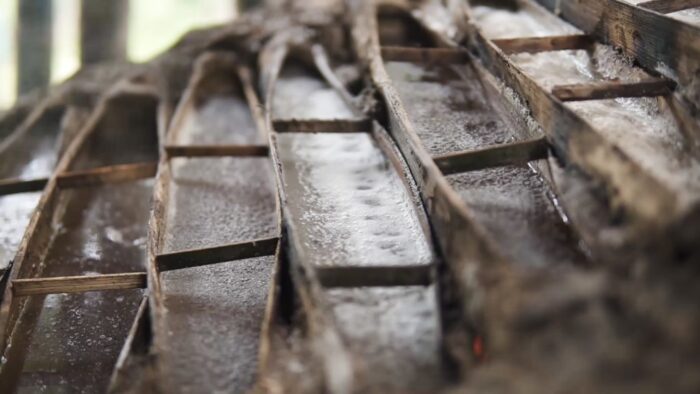
In the stunningly verdant landscapes of Arunachal Pradesh, director Abo Arangham captured a lost tradition of salt-making in the award-winning documentary The Lost Art of Seasoning, an art of ovens and salt wells. Drawn to simple stories from his hometown that are yet to be told, Abo collaborated with his friend Pongro Wangsu, who had approached him to direct the project.
Having begun his academic journey with journalism, Abo filmed The Lost Art of Seasoning while still in film school, obtaining permission for longer shoots. He says there is no one in his age group from his community who hasn't heard a folk story about salt wells from their elders as a child. Back then, there were only fragmented stories, but since childhood, he has had a burning curiosity. He found filmmaking to be a refuge through which he could express himself and reconnect with the past. Visual elements and techniques add their own ‘seasoning’ to any narrative.
Arunachal Pradesh, being at a very nascent stage of filmmaking, presented its own set of challenges, he says. Apart from the unforgiving terrain and the rainforest during the monsoon, there were also budget constraints and the difficulty of convincing people to come in front of the camera. The lack of awareness among the masses and the absence of a government support system, Abo points out, add to the challenges. Most importantly, there is also an absence of senior filmmakers from the region to speak with and look up to. Abo says that, apart from one or two people, most filmmakers in Arunachal are at the same level, all trying to help one another.
There was also difficulty in finding multiple people from the same community to act, owing to linguistic differences. In Arunachal, the nuances of language can vary even within a single tribe. Although he hasn't yet had the opportunity to work with multiple communities on a single project, Abo considers the authentic use of language crucial to storytelling.
The art of storytelling runs deep among these tribes, most of which have an oral tradition of passing down narratives through stories, proverbs and songs. Knowledge, traditions and safeguards were transmitted through these forms. Storytelling has helped their community survive through the toughest of times and will continue to do so. While he considers himself a learner, Abo is proud to take up the mantle of storyteller and continue the tradition.
Recalling a memorable moment during the filming, Abo is still in awe of the surreal experience of lighting a fire in those same ovens after generations. Until then, he had been unsure about the outcome of the project. But the first fire moved the cast and crew emotionally and rekindled their connection with their ancestors.
The best way to retain authenticity and cultural sensitivity while telling the stories of indigenous people, Abo believes, is to speak with the elders of the community. Spending time with them brings a richness to the narration, born of their own experiences or those passed down to them by their elders.
Filmmaking in Arunachal is an untapped reservoir of possibilities. The film industry has always been crucial in promoting and preserving the culture and heritage of a region. While talented people are making films and telling important stories, there are not many takers, even within Arunachal, for the state's own film productions, says Abo. YouTube remains the last available option for many upcoming filmmakers. However, there is hope. They are learning and improving with every project, and with the wealth of stories that Arunachal has to offer, it is only a matter of time before they find a wider audience.