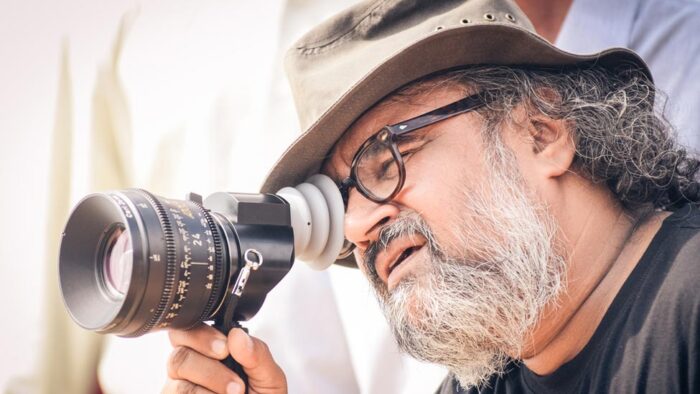
Film producer Bharat Bala Ganapathy has been spending the last three months travelling across India, despite all odds, to capture India in lockdown and document on film what the country has gone through.
“How do we imagine India without its people? Where had they gone? From Benaras onwards, which has always seen hundreds of millions of people, so many doors shut on us, saying no permission. But so many others opened. If your idea has merit, if you have the deep desire, nothing can stop you.”
Bharatbala has hundreds of hours and 15 terabytes of footage, with some amazing content of India in lockdown. “It was important to record it so that generations to come can see what we, as a country, went through.”
INDICA Founder Hari Kiran Vadlamani asked Bhara Bala if this documentation included coverage of the migrant population’s lives as they moved out of towns, and if there was a special message about the problems they faced.
In response, Bharatbala said that the entire project was about telling the human story. “It is about what we have experienced as people, anybody. The migrant story is a part of the story. We will tell a complete story; we don’t want to be swayed by emotions. It is about how humanity came together. It is a painful time, but how Indians withstood the pain, what is the inner resilience, what is the strength of our people… even if they are in power, what is their resilience… that is what is going to shape the story.”
Bharatbala spoke to entrepreneur and talk show host Hari Nair today on the role of films in creating impact and influencing perceptions about India, both within the country and abroad.
Three years ago, when the world opened up to content online, through both live streaming and recorded content, Bharatbala decided to use the skills and experience gained over three years in filmmaking to create a ‘legacy project’. “India is a big, big project which requires immersion. When you go to the West, you see museums becoming a hub of learning for experiencing the civilisation and culture of the world. In India, because there is so much of it, we have not been able to package it for younger audiences.”
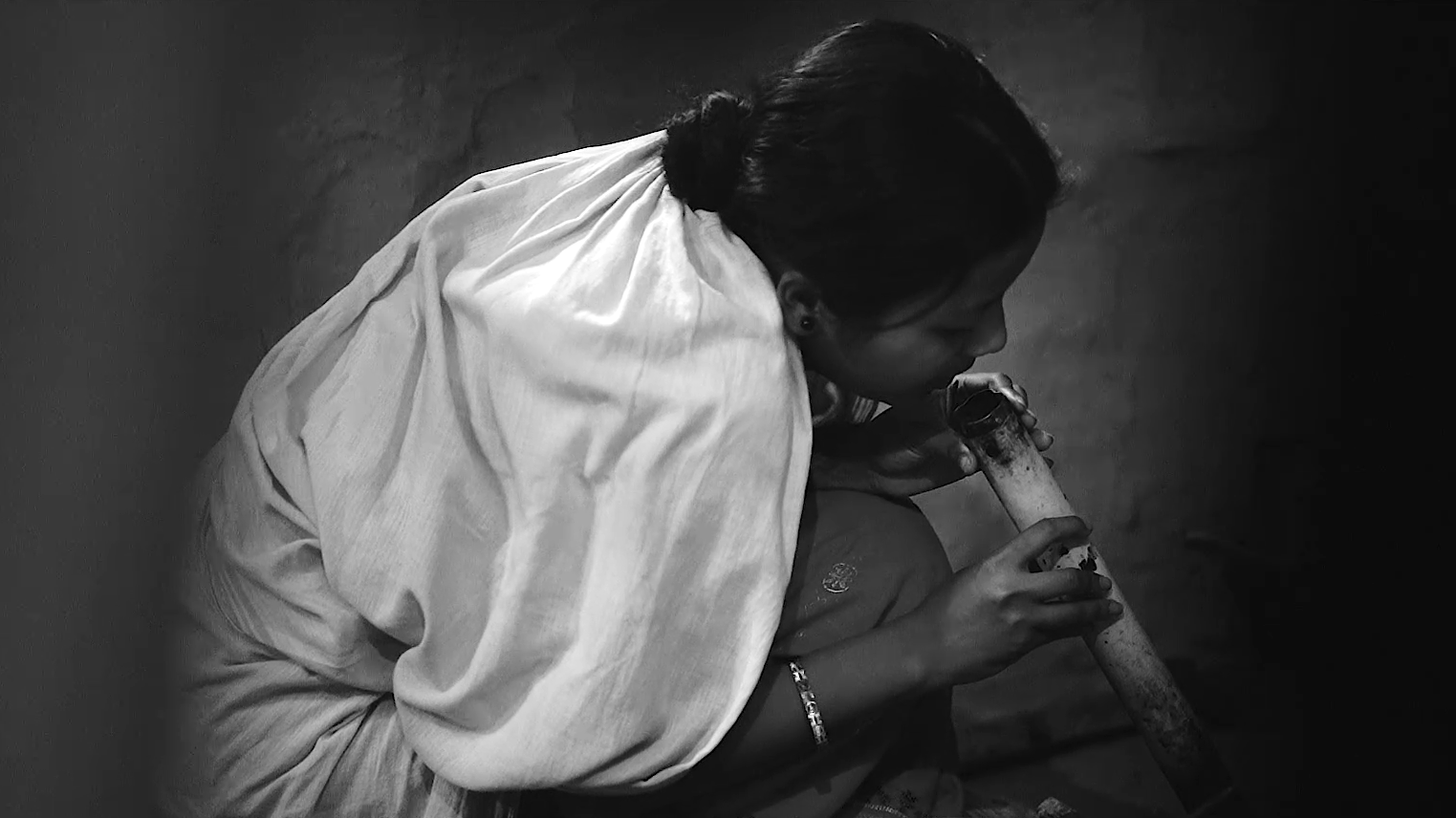
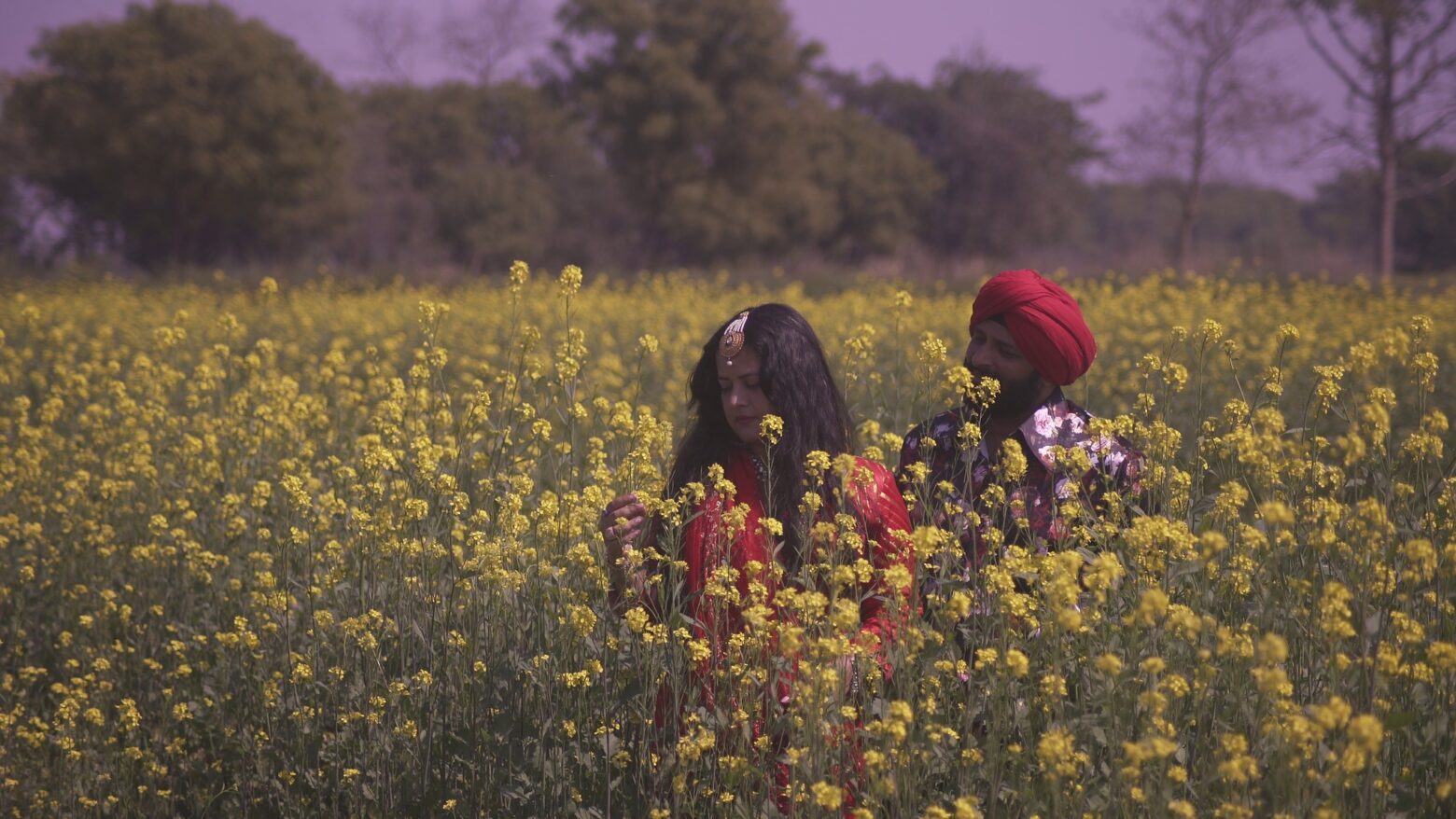
Bharatbala’s mega Virtual Bharat project of 1,000 films was an endeavour to experience Bharat virtually. The drivers of the project were: “Each of the episodes would be about uncovering untold stories of India, making each of the films less than 10 minutes so that even if it is not of interest, viewers may be amenable to watching it, and ensuring consistency so that there is continuity in quality. Each film should be a gem; otherwise, we will not put it out.”
Virtual Bharat is a stupendous success because it brings great filmmaking and contemporary cinematic techniques to an immersive non-fiction film experience. Eighty films have been made, and nine films have been released so far. Every film has been made in the original language of the state being filmed.
Cutting-edge filmmaking is evident, for instance, in Taalam, on the boatmen of Kerala. “What was special to us about that film was that here are the boatmen of Kerala who are not athletes or sportsmen; they are farmers, postmen, teachers, everyday people. But when they come and sit in the boat, there is a rhythm that has been set. The only instruction being… follow the rhythm and you will win the race,” says Bharatbala.
This could well be the theme for a diverse nation. “If we follow the rhythm as a nation, the nation is winning. This was the messaging, but not overtly. Wherever possible, if it can bring about a deeper emotional connect through messaging, we do that,” he says.
Bharat Bala has brought youngsters into the project. “I was giving youngsters the enthusiasm and the emotion required to complete the project in a certain way. The goal is to do these 1,000 films. I should have 150 cutting-edge, talented youngsters with me – editors, cinematographers, sound engineers, music composers and researchers.”
On his thought process, Bharat Bala says there have to be conversations about culture and that if these can be brought through creativity, they could connect with a much bigger and deeper audience. “Creativity is all about freedom, about imagination. How can you preserve the story, not change it?”
In terms of soft power, Bharat Bala stressed that there first has to be a domestic audience for soft power. “When the domestic audience is captured, they will resonate it around the world. The day we will be a soft power is when India embraces its culture. The power has to be felt here, from Kanyakumari to Srinagar. When the people of this country have embraced diversity and see the power of this culture, everybody will be at your doorstep. When India talks to each other, when we start talking to each other as one, then our soft power will really fly. Our literature, our poetry, our arts will go deep into people. Conversations will get more robust.”