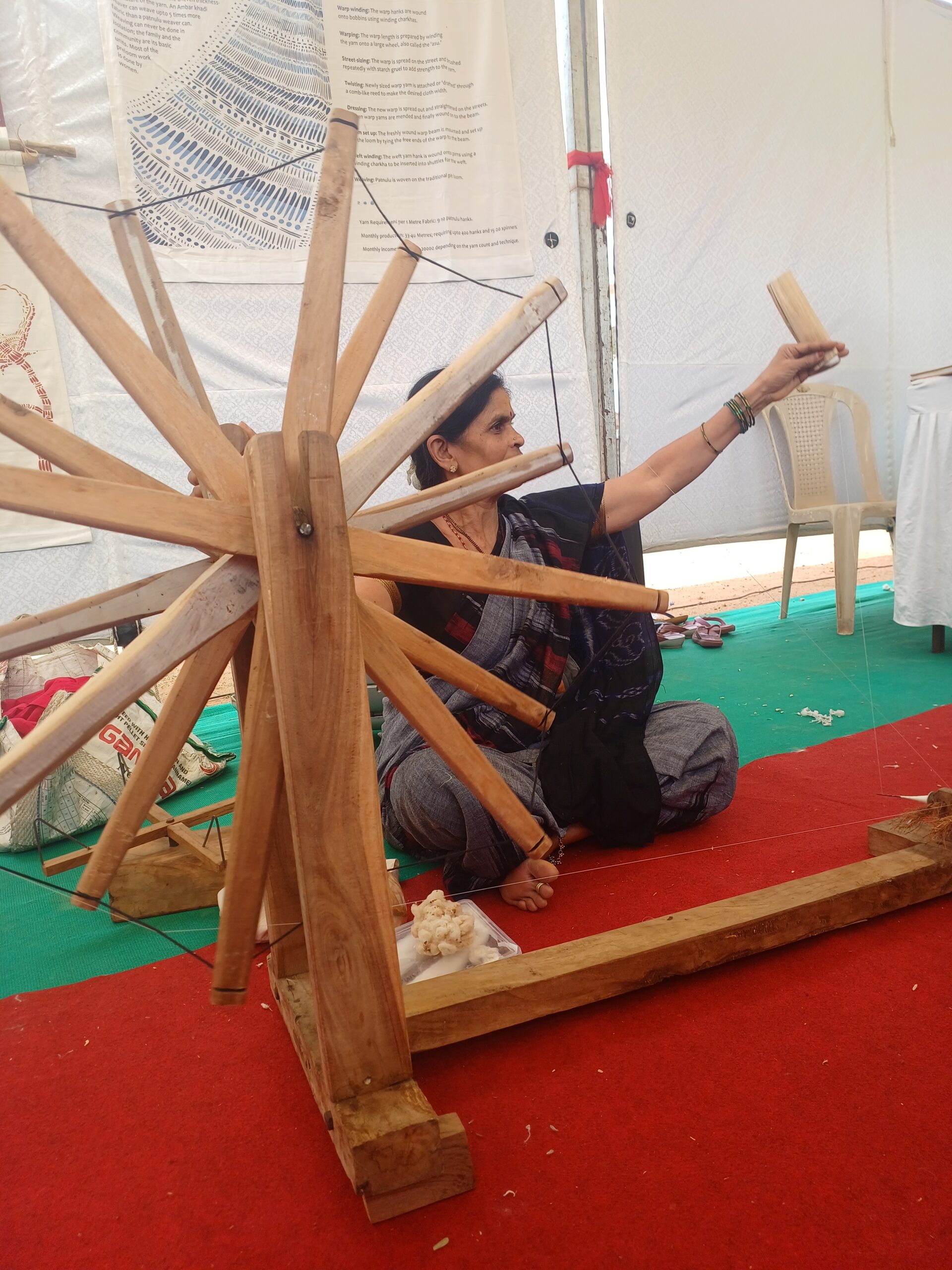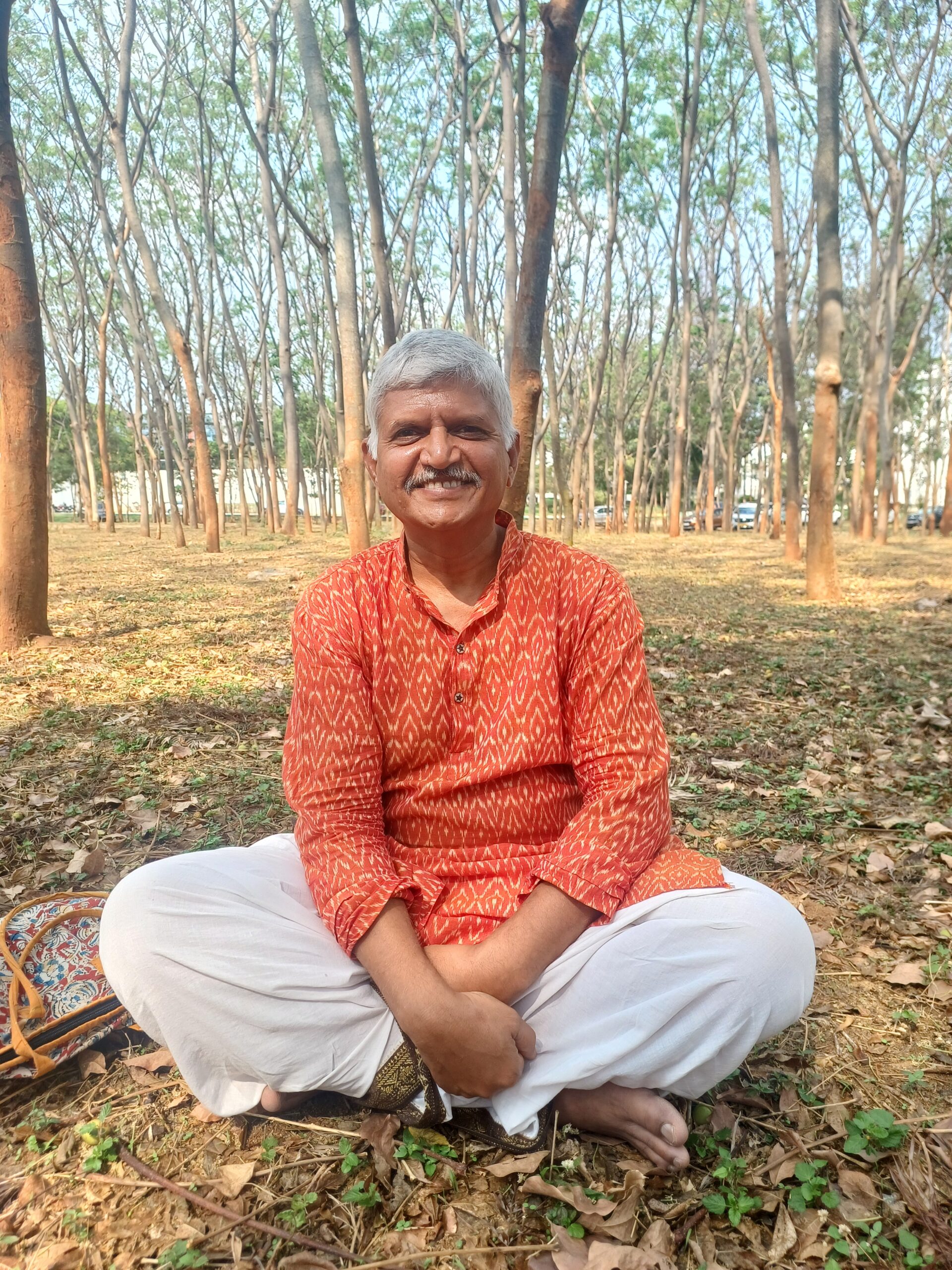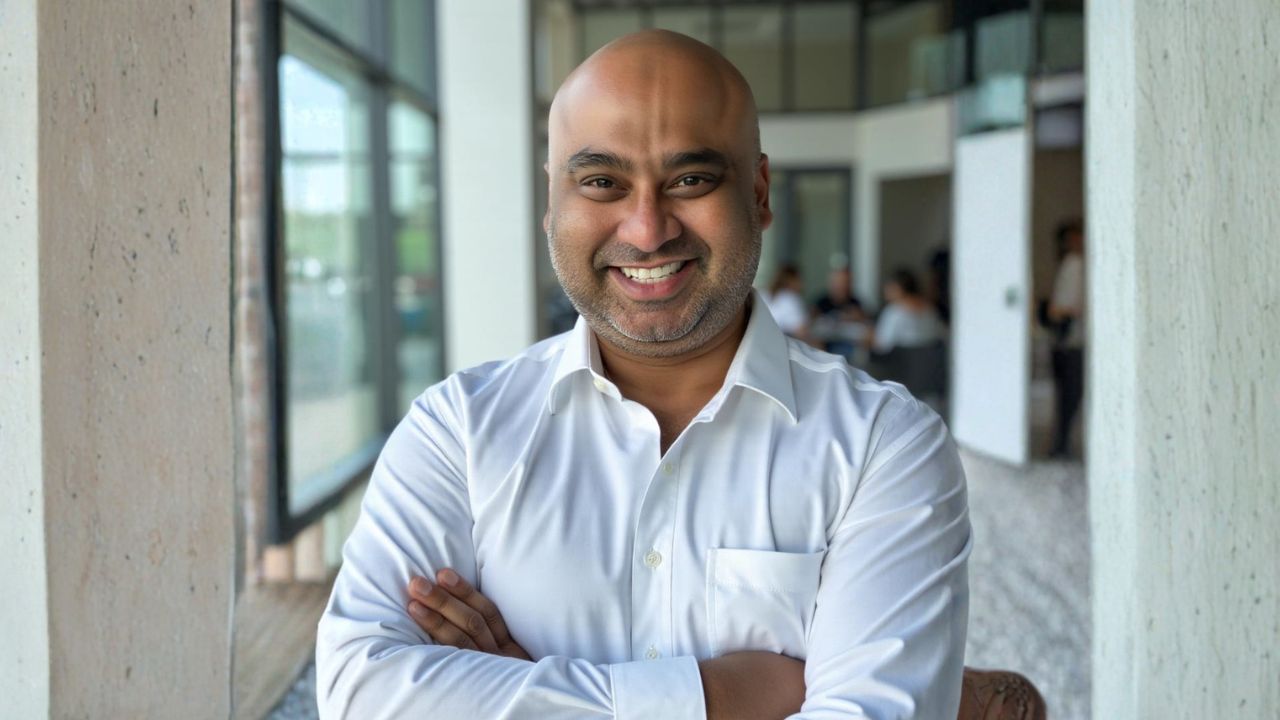


Jitendra Tiwari works at the Sri Adishankaracharya Foundation, Uttar Pradesh, and is based in Chitrakoot. He says his journey as a social entrepreneur is deeply rooted in his “passion for societal development and promoting our civilizational values.” Over the past decade, he has dedicated himself to education and rural development, driven by a vision to create positive and sustainable change. He says his work has always been guided by a commitment to enhancing the well-being of our communities and spreading our culture and values.
He has a graduate degree in Physics from the University of Mumbai and a Post Graduate Diploma in Public Leadership from Rishihood University, which he says has equipped him with a solid foundation in strategic planning, policy analysis, and project management. Currently, he is pursuing a Masters in History at Chhatrapati Shahuji Maharaj University to further deepen his understanding of our cultural heritage and its role in modern societal development.
His professional journey began as a Senior Signal Technician with Indian Railways, where he honed his technical and analytical skills. “Transitioning into the education sector, I served as the HoD at Senapati Learning Centre and later managed the Govardhan Gurukul at Govardhan Eco Village, Here, I focused on holistic education, ensuring the success and well-being of students and faculty alike. Though earlier during my college days also I used to take tuition to support my study.”
A combination of love for Bharatiya Samskriti and modern training, he brings to the table a blend of hard skills such as strategic planning, policy development, data analysis, and project management, along with essential soft skills including leadership, decision-making, and ethical integrity. “My ability to engage stakeholders effectively, coupled with my collaborative approach, has enabled me to drive impactful initiatives and foster inclusive growth.”
Even as the dust of the elections settles, it is heartening to hear the words of a young civilizational foot soldier from UP.
“I am driven by the dream of a glorious Bharat where Ram Rajya prevails, and Sanatan Dharma thrives. This vision fuels my dedication to fostering a society rooted in our timeless values and traditions. By promoting holistic education and sustainable development, I aim to build a future where our cultural heritage and modern advancements harmoniously coexist, ensuring prosperity and harmony for all. My work is not just a profession but a calling to lead positive change and contribute to the collective well-being of our society. I am dedicated to this cause, and I seek support from like-minded donors and partners who share this vision of a better, more equitable world.”
He can be contacted at: aryaveer14324@gmail.com
When was the Sri Adishankaracharya Foundation founded, by whom and what is its vision?
Sri Adishankaracharya Foundation: was founded on 14th March 2024 by Neha Dwivedi, Sanjay Borhade, Jitendra Tiwari, Anil Mishra & others.
हमारा विजन है, अपने अस्तित्व और आदर्श की सुरक्षा तथा देश की अखंडता के लिए सुसंस्कृत, सुशिक्षित, संपन्न, सुरक्षित, सेवापरायण, सर्वहितप्रद व्यक्ति एवं समाज की रचना करना
Our vision is to create a cultured, well-educated, prosperous, safe, service-oriented, all-beneficial individual and society for the protection of our existence and ideals and the integrity of the Nation.
What part does Gau Seva play in Uttar Pradesh's spiritual ethos today?
Gau Seva, continues to play a significant role in the spiritual ethos of Uttar Pradesh (UP) today, despite the challenges faced. Its influence permeates various aspects of ritual practices, community life, and cultural traditions.
Spiritual Significance:
Rituals and Ceremonies: Cows and their products (Panchgavya) are essential in Hindu rituals and ceremonies. From daily worship to major festivals, offerings like milk, ghee, and cow dung are considered pure and auspicious.
Pilgrimages and Temples: Many temples in UP, especially those dedicated to Krishna, incorporate cow worship into their rituals. Pilgrims often engage in Gau Seva as an act of piety. Engaging in Gau Seva is believed to bring spiritual benefits, such as accumulating good karma and earning divine blessings.
Cultural Importance and degeneration of Society:
In rural areas, cows are integral to daily life. They are not just a source of dairy products but also a part of the socio-cultural fabric, participating in festivals, marriages, and other social functions. But in the last decade society has degenerated rapidly. Govansh is considered just any other animal. While milk-producing cows are valued, non-productive cows and bulls often face neglect. Economic constraints lead to practical challenges in maintaining large herds. Stray cattle are a common sight, indicating a large gap between traditional reverence and contemporary practices. Gochar Bhumi is usurped by both non scrupulous elements of Society and Governments who often redistribute it to landless people. Rapid urbanization and modernization too have led to changing lifestyles, where the traditional practices of cow care are less feasible.
Government and Social Programs:
Gaushalas (Cow Shelters): These shelters provide care for abandoned or stray cows. Many are run by religious institutions and receive support from the community
Awareness and Education:
Schools, Temples, Mathas and Dharmic organizations Can be used to conduct programs to instill these values in Society particularly the younger generation.
Social media can be effectively used to highlight the spiritual and ecological significance of cows which can renew interest and commitment to their care.
Sustainable Practices:
Organic Farming: Promoting the use of cow dung and urine in organic farming, use of cow dung for manufacturing Bricks, logs, BioCNG, art materials, prakritik paint etc can make Gau Seva economically viable and environmentally sustainable.
Community-Based Approaches: Encouraging community-funded gaushalas and cooperative management practices can ensure better care for non-productive cows and bulls.
What is your idea of a Vedic education? Is it run like a gurukula?
My idea of Vedic education is based on the philosophy that Jivatma is immortal and indestructible. It doesn't destroy with the destruction of body, as expressed in the teachings of the Bhagavad Gita. Also difference in body does not create any difference in the Jeevatma. Education system based on these principles only can create enlightened (प्रबुद्ध), self-reliant (स्वावलंबी), and truth-tolerant (सत्यसहिष्णु) individuals.
It should teach them to understand their life's purpose in achieving the four purusharthas: Dharma (righteousness), Artha (wealth), Kama (desires), and Moksha (liberation). The aim of this education system is to raise the students gradually from Annamaya Kosha to Anandmaya Kosha and help them achieve Moksha. On the other hand, education based on the principle that we are body & Jeevatma destroys with destruction of body creates directionless people & Society exploiting each other and nature.
In the current situation where there is a very limited scope of employment for Vedic Scholars hence Integrating Traditional Wisdom with Modern Knowledge is necessary for quick adoption & Scaling.
Curriculum Structure should contain Philosophical & Modern Subjects as given below.
Core Spiritual and Philosophical Studies:
Sanskrit: Learning Sanskrit to access ancient scriptures and texts, fostering a deep understanding of cultural and spiritual heritage.
Dharma and Niti shastras: Studying ethical and moral principles as outlined in the Dharmashastras to cultivate a sense of righteousness.
Nyaya (Logic): Enhancing logical reasoning and critical thinking through the study of classical Indian logic.
Ayurveda: Understanding traditional Indian medicine and promoting holistic health and well-being.
Panini's Ashtadhyayi: Mastering linguistic skills to properly understand the meaning of Shastras and facilitate clear and effective communication.
Modern Academic Subjects:
English: Ensuring proficiency in a global language to facilitate communication and access to diverse knowledge sources.
Mathematics and Science: Providing a strong foundation in these subjects to promote analytical thinking and problem-solving skills.
Computer Science: Equipping students with technological skills necessary for the modern world.
Arts and Practical Skills:
Cooking and Craftsmanship: Teaching practical skills that enhance self-reliance and creativity.
Martial Arts: Promoting physical fitness, discipline, and self-defense. Our guiding principle is ‘Har Hindu Sena ho’.
Music: Fostering artistic expression and emotional well-being through the study of traditional and contemporary music.
Organic Farming, Gardening and Goseva: Encouraging sustainable living practices and a connection with nature.
Pedagogical Approach
Holistic Development (Based on Panchakosha): Emphasizing the development of the body, mind, and Atma through a balanced approach to education that includes physical activities, intellectual pursuits, and spiritual practices.
Experiential Learning: Incorporating hands-on experiences and real-world applications to make learning meaningful and engaging.
Value-Based Education: Instilling ethical and moral values through stories, discussions, and role models that reflect the principles of Dharma.
Individual Attention: Providing personalized guidance to cater to the unique needs and potentials of each student.
Infrastructure and Environment
Spiritual Environment: Creating a serene and contemplative learning environment with Temple, spaces for meditation, prayer, and reflection.
Natural Setting: Establishing schools in natural surroundings to foster a sense of harmony with the environment.
Modern Facilities: Ensuring access to modern amenities and technologies to support comprehensive learning.
Teacher Training and Development
Traditional Gurukula Model: Training teachers in the traditional Gurukula system to preserve and transmit ancient wisdom.
Continuous Professional Development: Providing ongoing training in modern teaching methods and subject matter expertise.
Community and Parental Involvement
Collaborative Efforts: Engaging parents and the community in the educational process to create a supportive and cohesive learning environment.
Cultural Activities: Organizing festivals, cultural programs, and community service activities to reinforce cultural values and social responsibility.
Assessment and Evaluation
Holistic Evaluation: Using a variety of assessment methods to evaluate not just academic achievement but also personal growth, ethical development, and practical skills.
Continuous Feedback: Providing regular feedback to students and parents to support continuous improvement and development.
This is my idea of Vedic education system which aims to create enlightened individuals who are well-versed in both traditional wisdom and modern knowledge. Initially we have planned to tie up with existing Schools to leverage their infrastructure and reach to large number of students but in later phase we will move towards formal gurukul structure which will act as a Centre.
What has led to traditional environmental practices being forgotten in modern UP?
The erosion of traditional environmental practices in modern Uttar Pradesh (UP) can be attributed to several interlinked socio-economic and cultural factors. These include demographic pressures, urbanization, economic challenges, and changes in family and societal structures. Here’s a detailed examination of these influences:
Socio-Economic Factors
Population Pressure and Small Land Holdings:
Fragmentation of Land: The increasing population has led to the fragmentation of agricultural land into smaller holdings. Farmers, driven by the need to maximize productivity on limited land, often resort to intensive farming practices that degrade the soil and deplete water resources, moving away from traditional, sustainable agricultural methods.
Urbanization:
Loss of Green Spaces: Rapid urbanization has resulted in the large-scale cutting of trees and the disappearance of green spaces. Urban expansion often prioritizes infrastructure and housing over the preservation of natural environments.
Pollution: Industrial growth and vehicular emissions contribute to air and water pollution, which further distances people from their traditional environmental practices centered around clean and sustainable living.
Economic Challenges:
Poverty: Widespread poverty forces people to prioritize immediate economic survival over long-term environmental sustainability. This leads to the exploitation of natural resources, such as deforestation for fuelwood and over-extraction of groundwater.
Commercial Agriculture: The shift towards commercial agriculture with a focus on cash crops often involves the use of chemical fertilizers and pesticides, replacing traditional organic farming practices.
Cultural and Social Changes
Disappearance of the Joint Family System:
Loss of Knowledge Transmission: The breakdown of the joint family system, where multiple generations lived together, has disrupted the transmission of traditional knowledge. Elder family members who were the custodians of such practices no longer have the same influence over younger generations.
Technological Distractions:
Mobile Phones and Televisions: The increasing use of mobile phones and televisions has altered the way people spend their time, reducing opportunities for children and youth to learn about traditional practices through direct engagement with nature and elders.
Changing Lifestyles: Modern lifestyles, influenced by technology and media, often prioritize convenience and consumerism over sustainable practices, further distancing people from their traditional environmental roots.
Institutional and Policy Influences
Education System: Curriculum Focus: The current education system based on Dehatmavad promotes exploitation of nature.
Government Policies: Insufficient Support for Traditional Practices: There is often a lack of support for traditional environmental practices, both in terms of funding and policy initiatives, which could otherwise encourage their continuation and adaptation to modern contexts.
Are these traditions in different stages of existence in different parts of UP. Are there areas which have held on to these practices, especially in religious towns?
I haven't visited the whole of Uttar Pradesh yet, so I can't speak for every region. However, based on my visits to parts of the Bundelkhand region, Eastern UP, and Braj Kshetra, I've observed that in rural areas where joint families still thrive, traditions are followed more strictly. In contrast, urban areas see traditional practices less rigidly observed in the name of modernity. Even in religious towns, where traditional practices are highly valued, they are not entirely untouched by development and modern influences.
Who are the members of your organization leading different initiatives?
Neha Dwivedi & Renu Mishra are leading women empowerment through Skill development training & helping set up Kutir udyog.
Jitendra Tiwari, Sanjay Borhade, Dr Vivek Mishra are leading Education initiative. Anil Mishra, Virendra are leading Go Seva & organic farming. Jitendra Tiwari & Anil Mishra are leading Conservation & protection of Environment.
What are the rituals and spiritual practices that you perform related to the land, agriculture and Ayurveda?
We perform many activities related to land, agriculture and Ayurveda.
Morning Recitation of Kshama:
Kshama Prarthana: Before setting foot on the earth each morning, we recite the Kshama Prarthana, seeking forgiveness from Mother Earth (Bhumi Devi) for any harm we may cause by walking on her.
Reverence to Sthana Devata:
Sthana Devata Puja: Before leaving a place where we have lived, we thank and pay our obeisance to the local deity, Sthana Devata, acknowledging their protection and blessings during our stay.
Respect for Objects:
No Touching Objects by Foot: We generally avoid touching any object with our feet as a sign of respect for all things, recognizing the sanctity of all objects.
Agricultural Practices:
Krishi Prarambh: Agricultural work begins on specific auspicious days, like Akshaya Tritiya is considered an auspicious day to start new ventures, including agricultural activities.
Agricultural Festivals:
Makar Sankranti: Marks the beginning of the harvest season.
Ayurveda and Health:
Dhanvantari Jayanti: Celebrated on the Trayodashi of the Krishna Paksha in the month of Ashwin, just before Diwali. This day honors Lord Dhanvantari, the deity of Ayurveda, and involves special rituals and prayers for health and wellness.
We mostly use items available in our kitchen and medicinal trees and herbs like Neem, Babool, Jamun, Amarood, Kanji, Chichidi, Lemon, Shatavari Surrounding areas to treat most non serious diseases.
What impact will a project such as yours have on communities living close to you and seeing your work?
Projects undertaken by the Sri Adishankacharya Foundation have the potential to significantly impact local communities in several ways:
Economic Empowerment: By providing vocational training in areas such as organic farming, food processing, and various artisanal skills, the projects can help villagers develop sustainable sources of income. This can improve the living and economic condition of poor people in the region and may reduce migration to cities.
Educational Advancement: Initiatives such as tying up with local schools and NGOs for educational programs in Vedic mathematics, science, English, and computer skills can enhance the educational prospects of children and youths. The development of skills in electronics, computers and other modern disciplines can motivate them to pursue science in higher education and open up new opportunities for employment and entrepreneurship.
Environmental Conservation: The foundation's environmental conservation projects focuses on large-scale tree plantation, reducing plastic and styrofoam use, and promoting organic farming and sustainable agricultural practices. These efforts can lead to cleaner and greener surroundings, improved air and water quality, and healthier living conditions. Fruit processing can also increase the income of people.
Community Health and Hygiene: Projects aimed at waste management, water conservation, and the use of biogas and solar energy can reduce pollution and improve community health. Proper waste segregation and the use of organic fertilizers can lead to a reduction in disease prevalence and lower healthcare costs.
Cultural and Social Cohesion: By involving community members in cultural, educational, and environmental activities, these projects can strengthen social bonds and foster a sense of community ownership and pride. This collaborative spirit can lead to more cohesive and supportive local communities.
Sustainable Development: The foundation’s long-term vision includes expanding these initiatives across different regions, adapting to local needs, and ensuring sustainable development. This approach can create a model of rural development that balances economic growth with environmental stewardship and social well-being.
Overall, the projects not only aim to uplift individual families but also to create a more resilient and prosperous community that can serve as a model for other rural areas in India.